admin

admin

1/11/26: Maine’s Pine Barrens, part 3
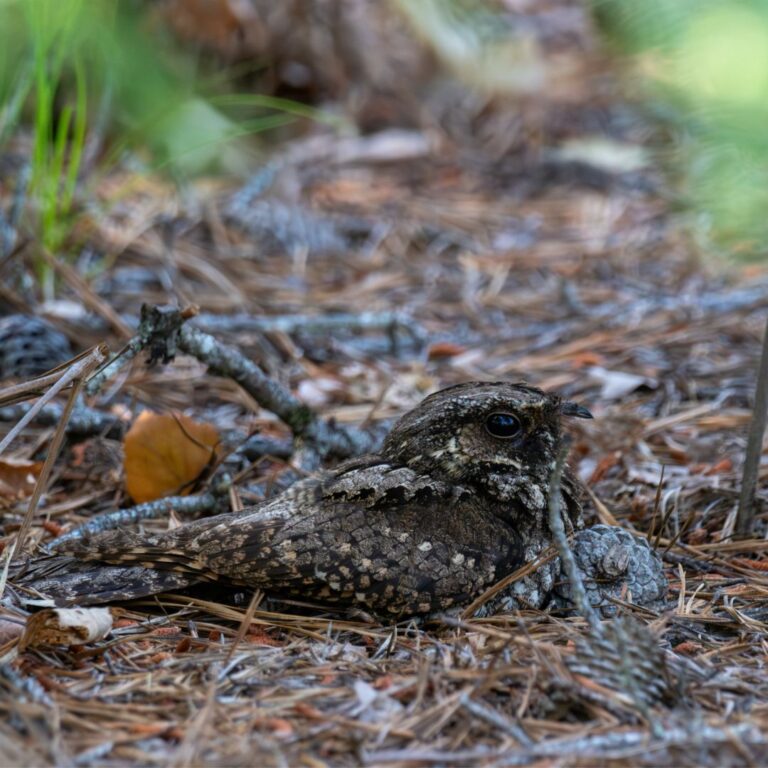
Eastern Whip-poor-will

In this episode, Logan shares nighttime experiences studying whip-poor-wills in Maine’s barrens, describing the shifting soundscape, dense scrub oak nesting sites, and the remarkable protection these habitats offer to ground-nesting nightjars. He also highlights other rare wildlife that depend on these young forests, from Black Racers to New England Cottontails, underscoring the importance of conserving these resilient but vulnerable landscapes.
1/4/26: Maine’s Pine Barrens, part 2

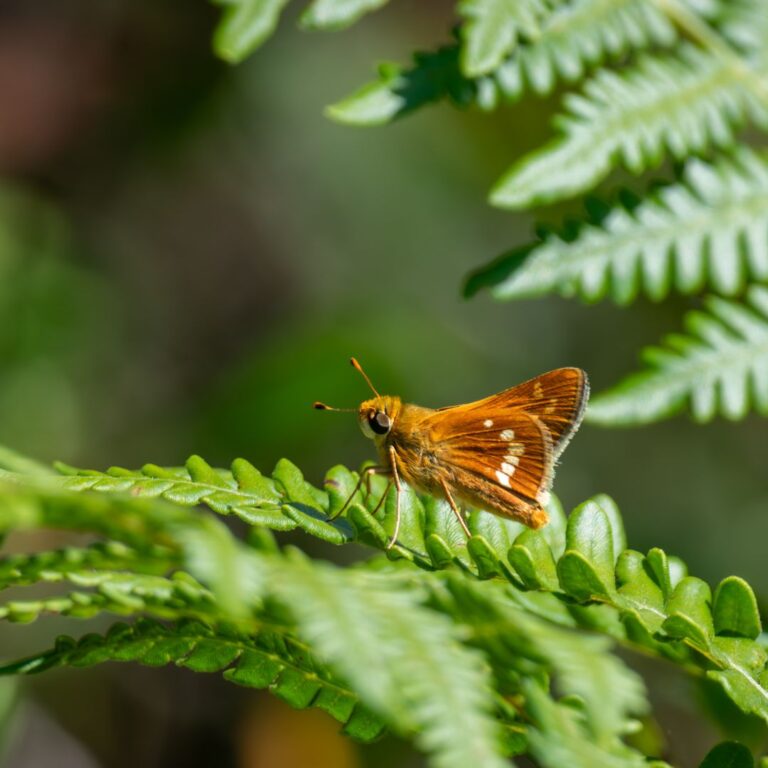
Leonard's Skipper

In this episode, Logan explores the plant communities of Maine’s pitch pine–scrub oak barrens, from fire-adapted pines and dense thickets of scrub oak to rare wildflowers, grasses, and sandplain specialists. He highlights the insects and butterflies that depend on these habitats, including several rare species, and the management efforts that help maintain these declining ecosystems.

12/28/25: Maine’s Pine Barrens, part 1

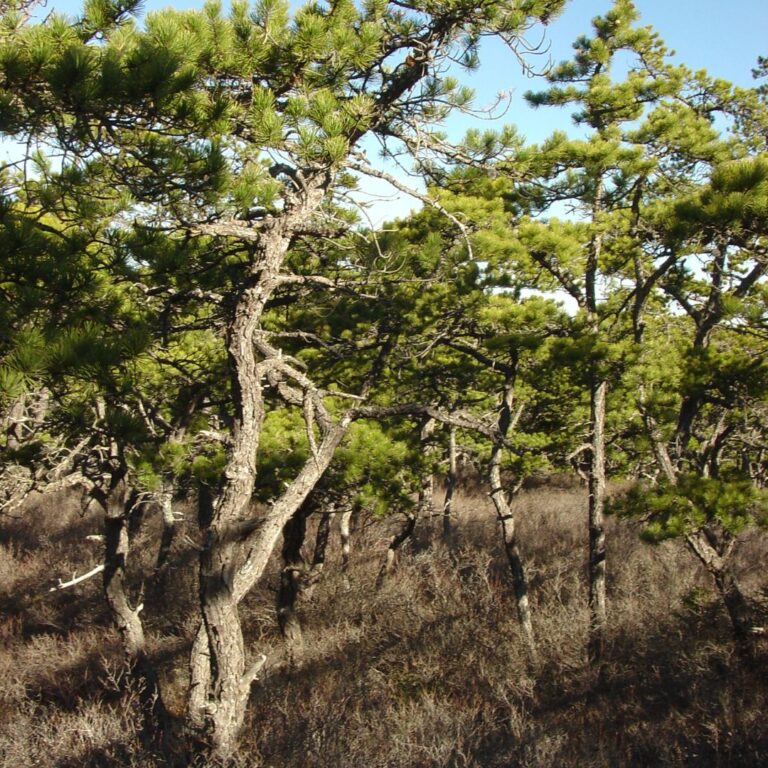
Pitch Pine

In this episode, Logan introduces Maine’s rare pitch pine–scrub oak barrens, explaining how glacial sands, fire, and other disturbances shaped these unusual habitats and how development and fire suppression have contributed to their decline. He also reflects on how his nightjar research led him into these ecosystems, which support several rare species despite their limited extent.

21/21/25: A Conversation with Seabird Researchers, 2025

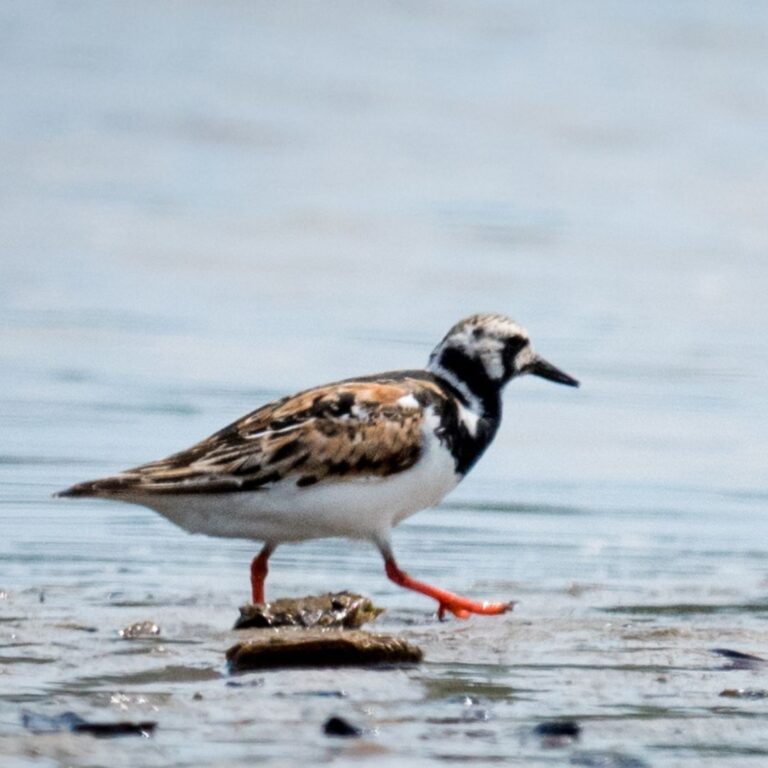
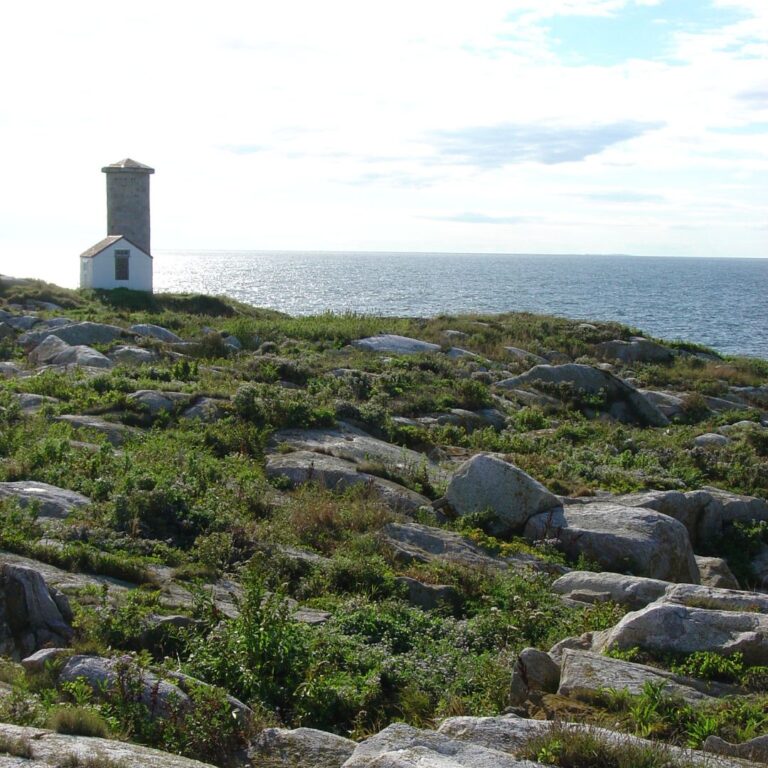
This episode features a discussion with Coco and Tracey Faber, Alison Ballard, and Peyton Caylor, seabird researchers who worked on Maine’s offshore colonies this summer. Together they reflect on the role of these islands beyond nesting seabirds, describing their importance as stopovers for migrating shorebirds and staging areas for gulls. They share observations of sandpipers, plovers, Ruddy Turnstones, and other migrants, and note how islands like Eastern Egg Rock can host large flocks during peak migration.

12/14/25: A Conversation with Peyton Caylor and Colleagues, 2025

This episode begins with an interview with Peyton Caylor about her work on Matinicus Rock, comparing seabird research there with her season on the Farallon Islands. The conversation expands to include Coco and Tracey Faber from Seal Island and Matinicus Rock, and Alison Ballard from Eastern Egg Rock, as they discuss seabird dynamics across colonies, unusual visitors like the Tufted Puffin, and the parallels and contrasts between Atlantic and Pacific seabird systems.