admin

admin

4/26/26: A Hike Down the Hemlock Trail, part 2

Tufted Titmouse

In this episode, Glen continues a discussion with Rich MacDonald of the Natural History Center during a winter walk in Acadia National Park, reflecting on the value of long-term observation in understanding ecological change. Drawing on decades of field experience, from bird banding studies to a 2002 kayak expedition around the Gulf of Maine, Rich discusses how shifting baselines, climate change, and evolving research questions shape our understanding of coastal ecosystems, from changing bird populations to the increasing presence of species like sea turtles

4/19/26: A Hike Down the Hemlock Trail, part 1

Hemlock

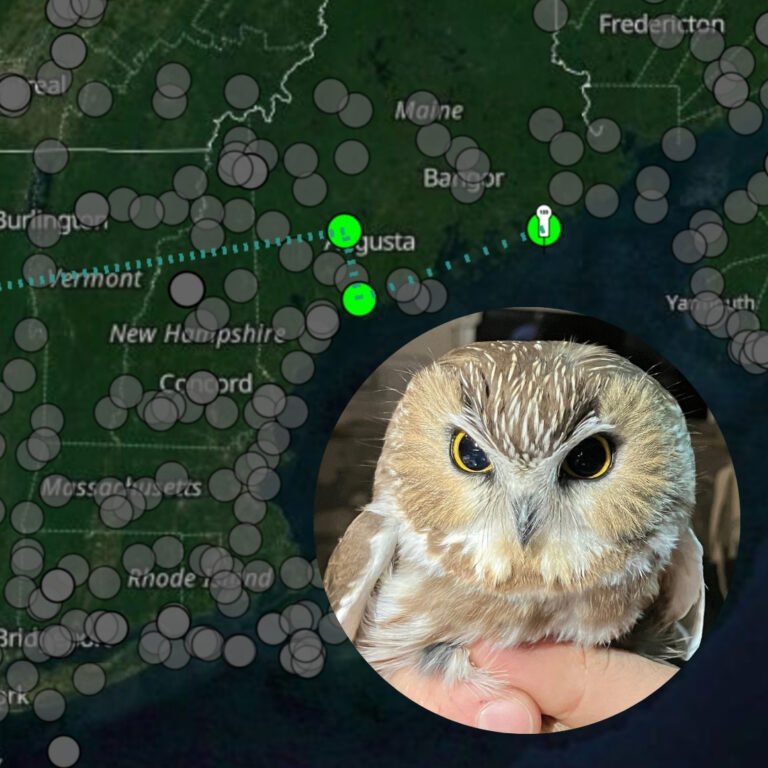
Glen joins Rich MacDonald of the Natural History Center for a winter walk along the Hemlock Trail in Acadia National Park, where a familiar path reveals change from week to week and season to season. As they move through the snow-covered woods, they reflect on shifting bird communities, the subtle but telling signs of seasonal transitions and the nesting behavior of Maine owls.

4/12/26: A Conversation with Seaweed Biologist Amanda Savoie, part 2

seaweed

Research scientist Amanda Savoie describes how new surveys are revealing more Arctic seaweed diversity than previously assumed, even in regions once thought to lack suitable substrate. She reflects on the cultural importance of kelp in northern communities, the ecological role of seaweeds as primary producers and habitat-formers, and why documenting coastal biodiversity is critical as warming oceans reshape kelp forests in places like the Gulf of Maine.

4/5/26: A Conversation with Seaweed Biologist Amanda Savoie, part 1

seaweed

Glen speaks with Amanda Savoie, a research scientist at the Canadian Museum of Nature, about her work documenting seaweed biodiversity in northern Norway and the Canadian Arctic. They discuss how extreme light regimes, limited historical surveys, and rapid climate change shape Arctic macroalgal communities, including unusual species such as kelps that grow beneath winter ice using energy stored during the summer’s continuous daylight.

3/29/26: A Waxwing Winter

Bohemian Waxwing

In this episode, Logan explores the winter irruption of Bohemian Waxwings into Maine, where flocks descend from boreal breeding grounds in search of lingering fruits such as crabapples and mountain ash. He describes their gregarious behavior, fruit-based courtship rituals, and surprising presence in towns and cities, reminding us that even in winter’s apparent scarcity, the landscape still holds abundance.

3/22/26: Beneath the Snow – Winter Life of Meadow Voles

Eastern Meadow Vole

Logan explores the hidden world of Eastern Meadow Voles living within the subnivean zone beneath Maine’s winter snowpack. He describes their tunnel networks, grass-lined nests, and winter survival strategies, placing these small mammals within the broader ecology of predators, seed dispersal, and seasonal population cycles.

3/15/26: Sailing Through Plastic Along the Maine Coast

Ocean Plastic

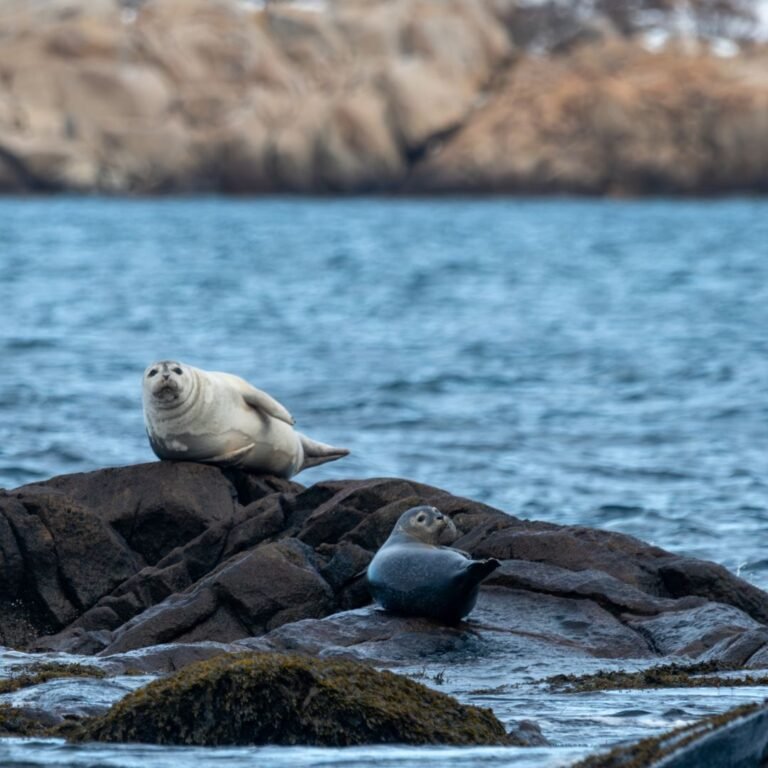
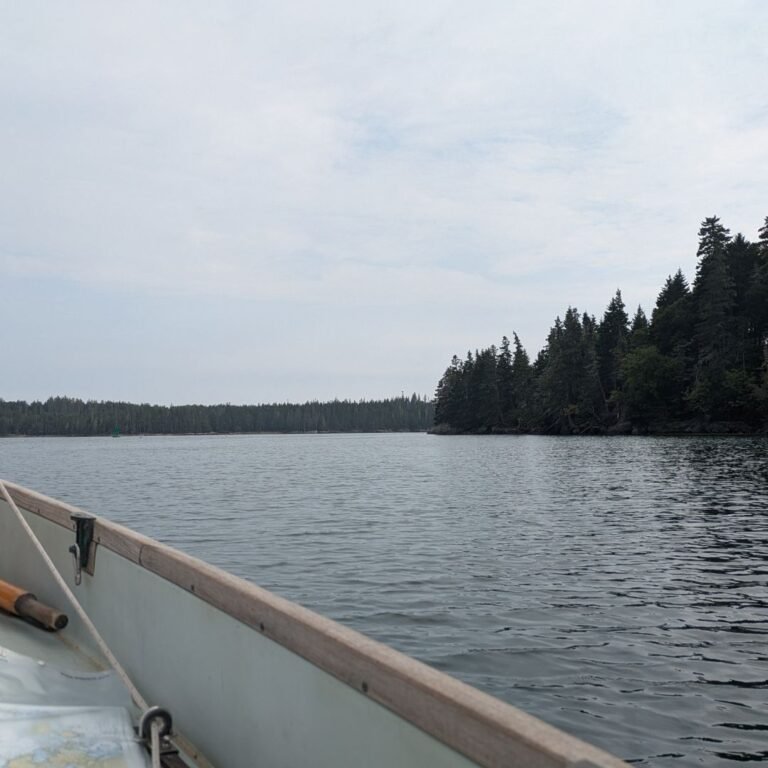
Recorded while sailing east along the Maine coast in the summer of 2025, this episode reflects on the striking absence of visible plastic at sea and the far more pervasive presence of microplastics throughout the water column. Glen explains how these long-lived fragments move through marine food webs, from plankton and shellfish to birds and seals, and why reducing single-use plastics remains one of the most direct ways individuals can make a difference.

3/8/26: Lion’s Mane Jellyfish Along the Maine Coast

Jellyfish

Recorded while sailing east along the Maine coast in the summer of 2025, this episode reflects on sightings of Lion’s Mane jellyfish and how their presence varies with water temperature and coastal geography. Glen describes their immense size potential, surprising life cycle, and their place in Maine’s cold-water food web, contrasting them with the more familiar moon jellyfish of Penobscot Bay.

3/1/26: Molluscan Mystery in Acadia, part 2

nudibranch

In Part 2, Jovan Grollino recounts the careful observation, rearing, and documentation of the mystery aeolid nudibranch, from egg-laying to larval development. The episode traces how these findings helped rule out known species and culminated in the specimen being sent for DNA analysis, with the possibility of a species new to science.