Logan Parker

3/29/26: A Waxwing Winter
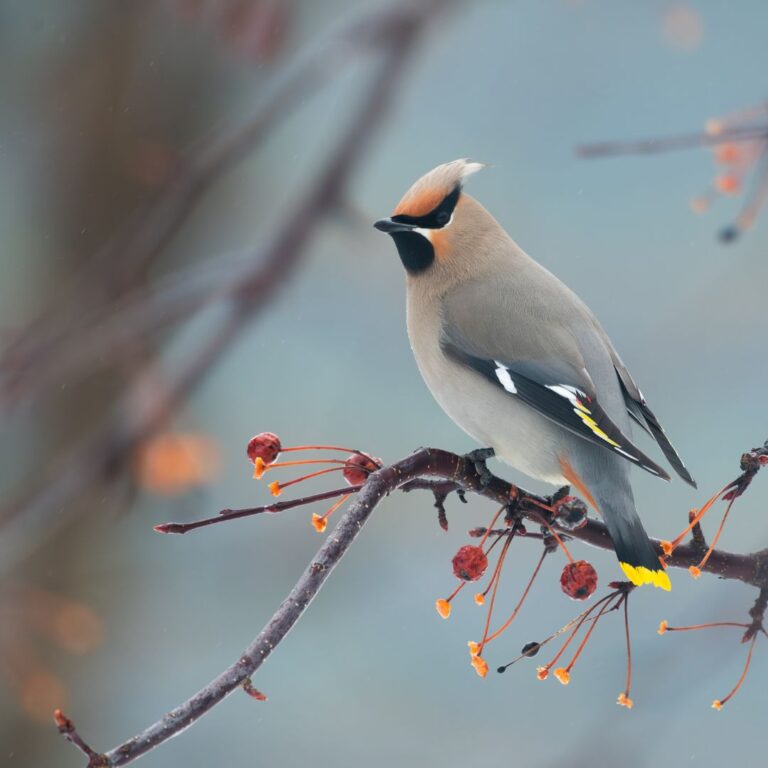
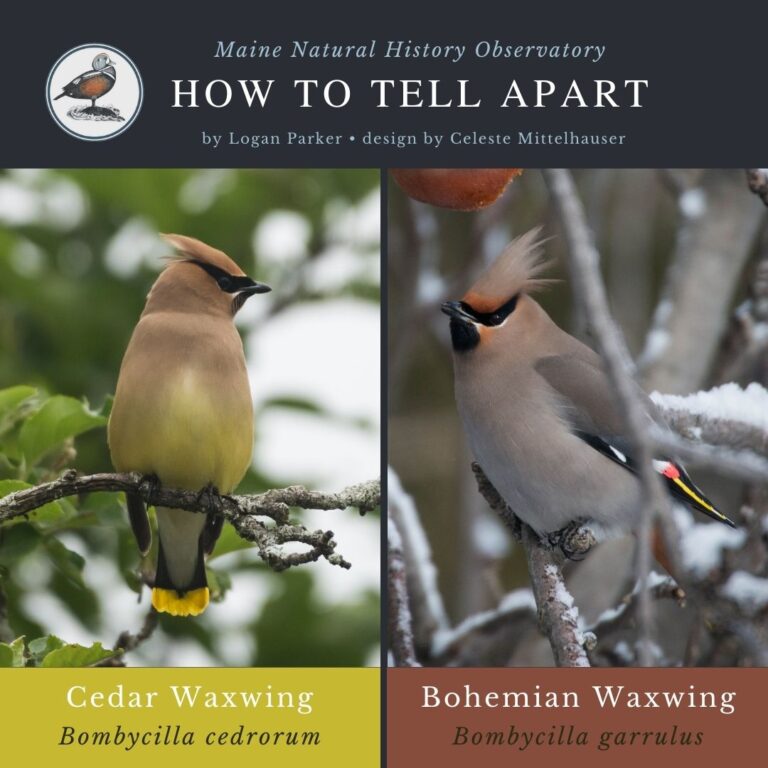
Bohemian Waxwing

In this episode, Logan explores the winter irruption of Bohemian Waxwings into Maine, where flocks descend from boreal breeding grounds in search of lingering fruits such as crabapples and mountain ash. He describes their gregarious behavior, fruit-based courtship rituals, and surprising presence in towns and cities, reminding us that even in winter’s apparent scarcity, the landscape still holds abundance.
3/22/26: Beneath the Snow – Winter Life of Meadow Voles

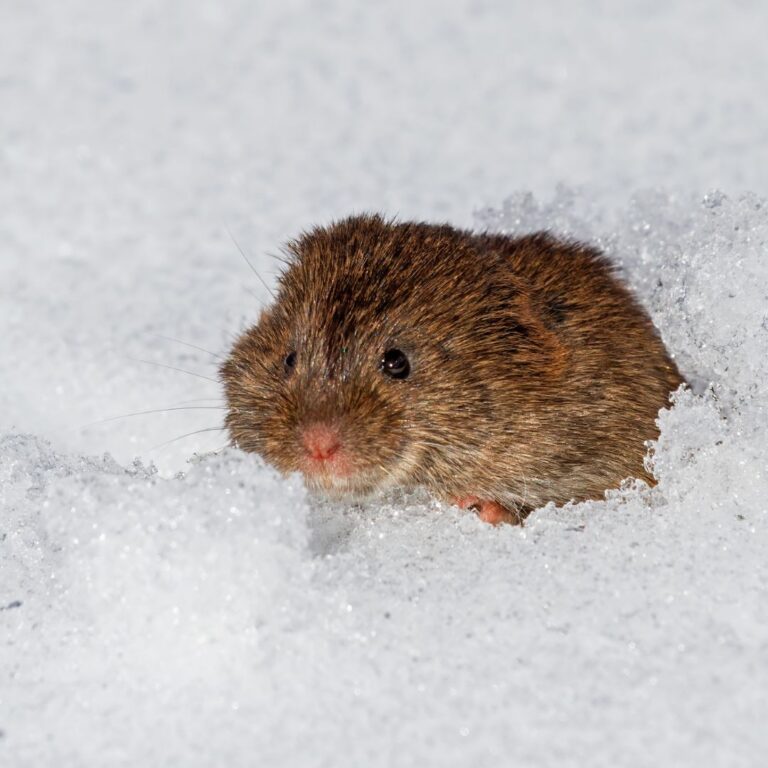
Eastern Meadow Vole

Logan explores the hidden world of Eastern Meadow Voles living within the subnivean zone beneath Maine’s winter snowpack. He describes their tunnel networks, grass-lined nests, and winter survival strategies, placing these small mammals within the broader ecology of predators, seed dispersal, and seasonal population cycles.

2/1/26: Maine’s Marauders, Bandits, and Thieves

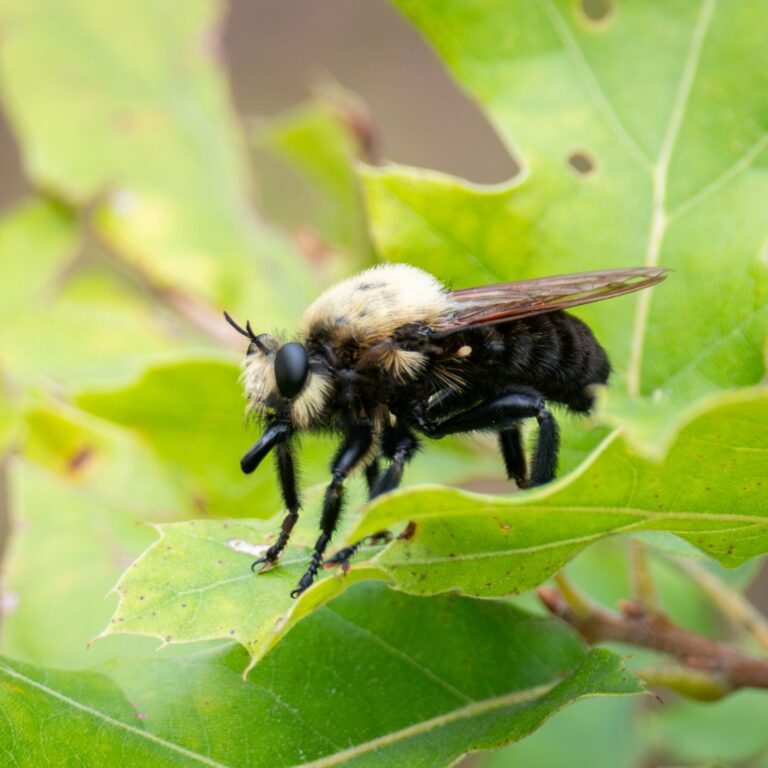
Laphria grossa

In this episode, Logan introduces listeners to the robber flies—voracious predatory insects with names like “marauder,” “bandit,” and “thief”—and describes their surprising diversity in Maine, from garden-perching hammertails to the formidable marauders of the pine barrens. He also highlights their ecological value, noting how these agile hunters help keep insect populations in balance despite their fearsome reputation.

1/11/26: Maine’s Pine Barrens, part 3

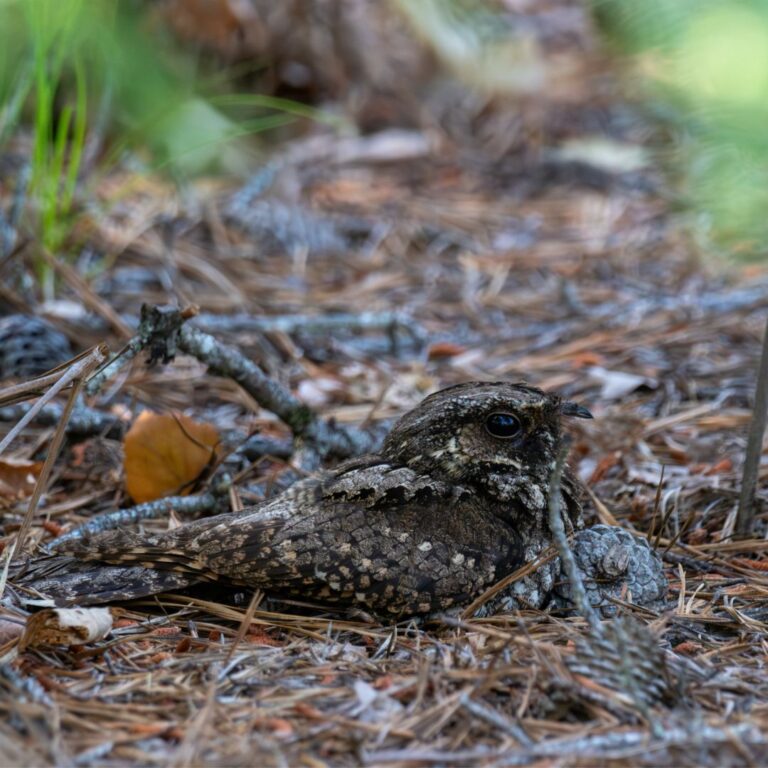
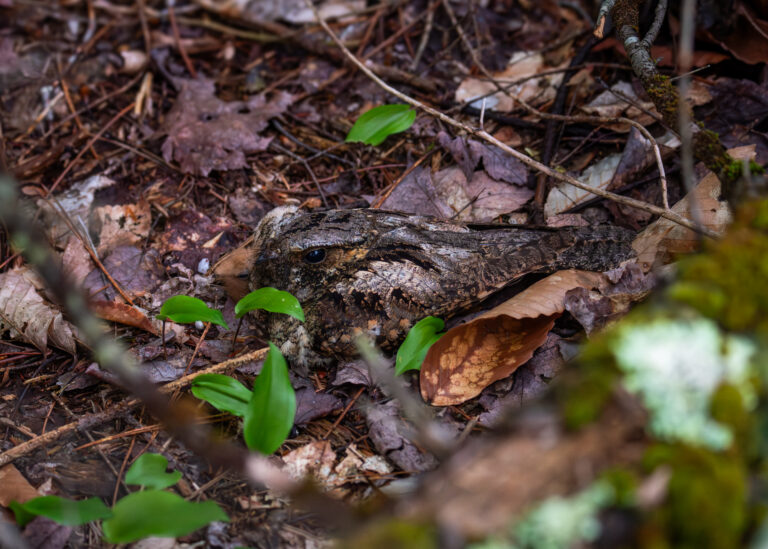
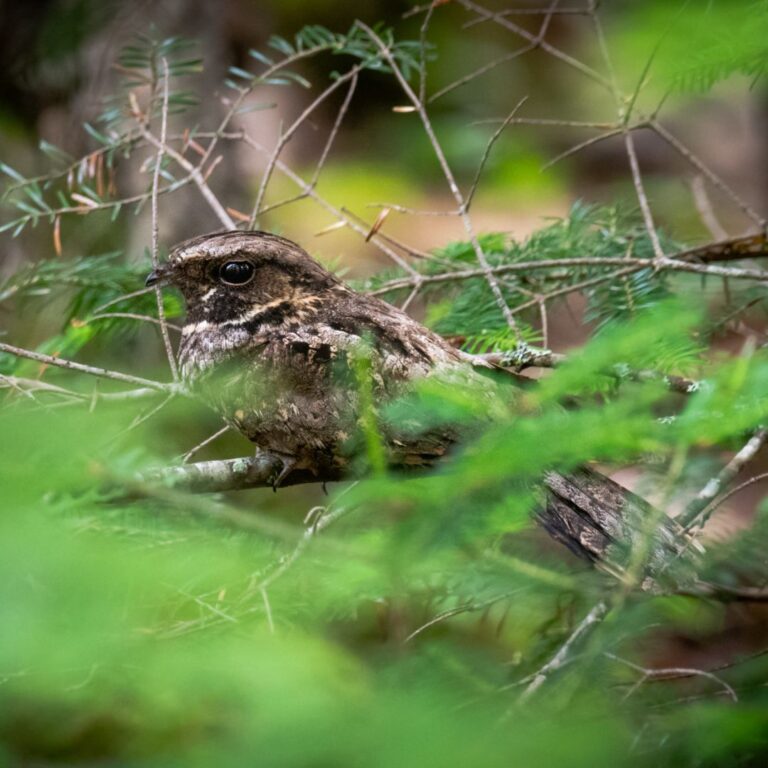
Eastern Whip-poor-will

In this episode, Logan shares nighttime experiences studying whip-poor-wills in Maine’s barrens, describing the shifting soundscape, dense scrub oak nesting sites, and the remarkable protection these habitats offer to ground-nesting nightjars. He also highlights other rare wildlife that depend on these young forests, from Black Racers to New England Cottontails, underscoring the importance of conserving these resilient but vulnerable landscapes.

1/4/26: Maine’s Pine Barrens, part 2

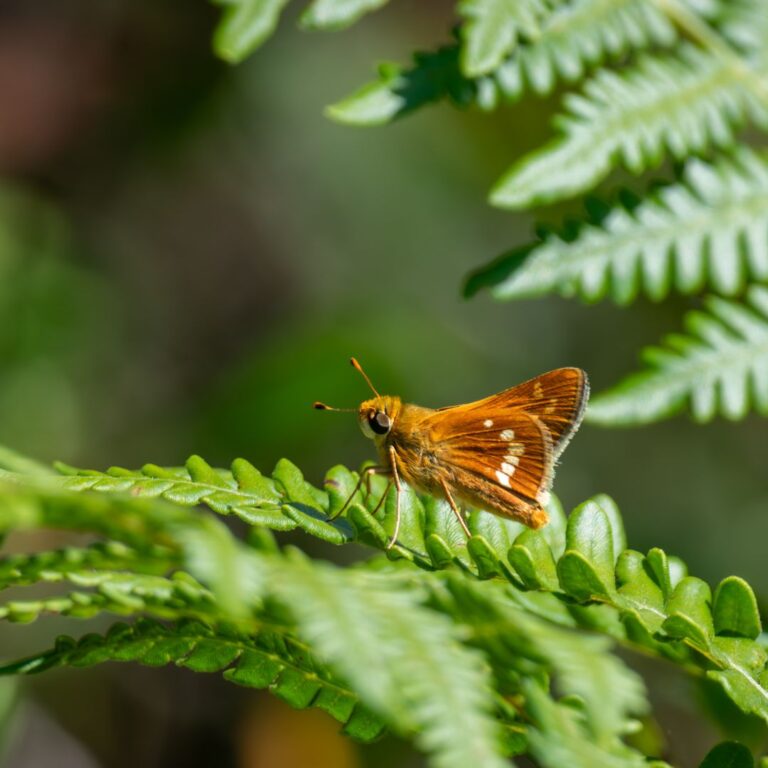
Leonard's Skipper

In this episode, Logan explores the plant communities of Maine’s pitch pine–scrub oak barrens, from fire-adapted pines and dense thickets of scrub oak to rare wildflowers, grasses, and sandplain specialists. He highlights the insects and butterflies that depend on these habitats, including several rare species, and the management efforts that help maintain these declining ecosystems.

12/28/25: Maine’s Pine Barrens, part 1

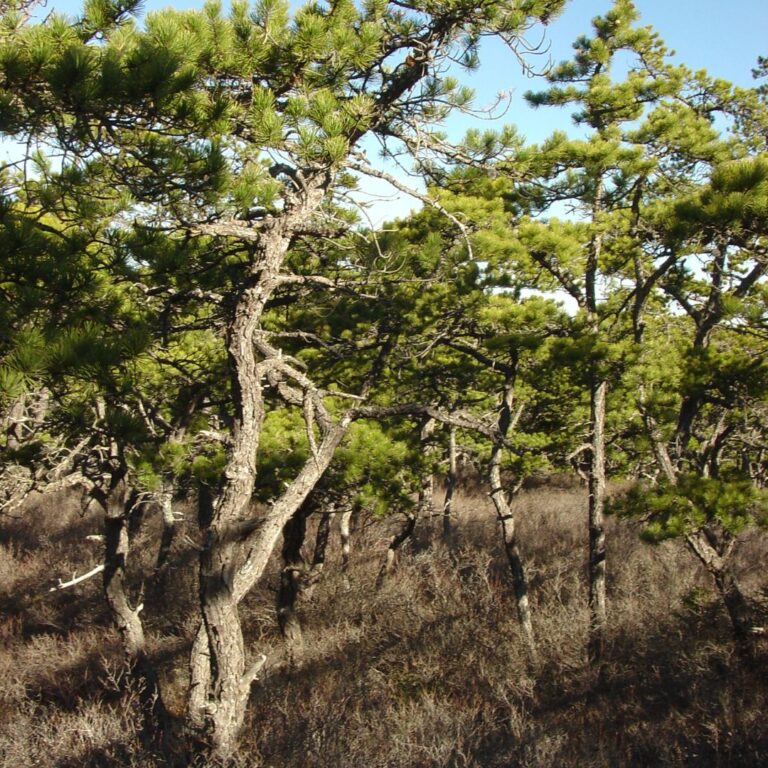
Pitch Pine

In this episode, Logan introduces Maine’s rare pitch pine–scrub oak barrens, explaining how glacial sands, fire, and other disturbances shaped these unusual habitats and how development and fire suppression have contributed to their decline. He also reflects on how his nightjar research led him into these ecosystems, which support several rare species despite their limited extent.

5/25/25: Shark Alley

Logan explores the evolving presence of sharks in the Gulf of Maine, from childhood memories of touch-tank dogfish to the modern realities of Great White Sharks along Maine’s coast. This episode examines shifting shark populations, seal recovery, and how modern tracking research is reshaping our understanding of these apex predators.

4/13/25: Brown Brook Thaw

This piece is a reflection on the ecological stirrings of early spring, centered on the thaw and renewal of a small brook. As the snowmelt surges through the brook, it awakens a vibrant world of birds, amphibians, and aquatic life, offering a fleeting season of beauty before the forest fully leafs out.

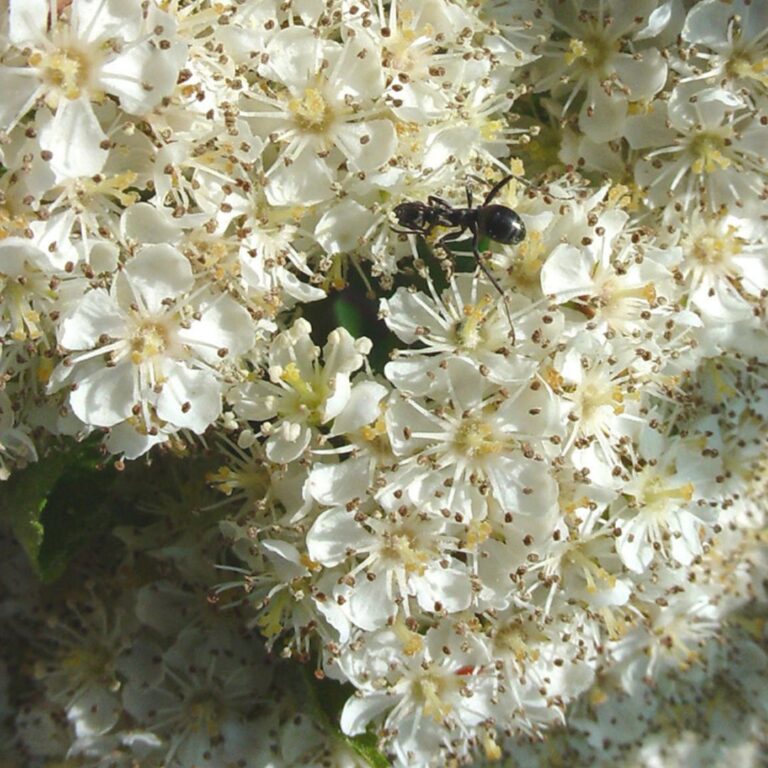
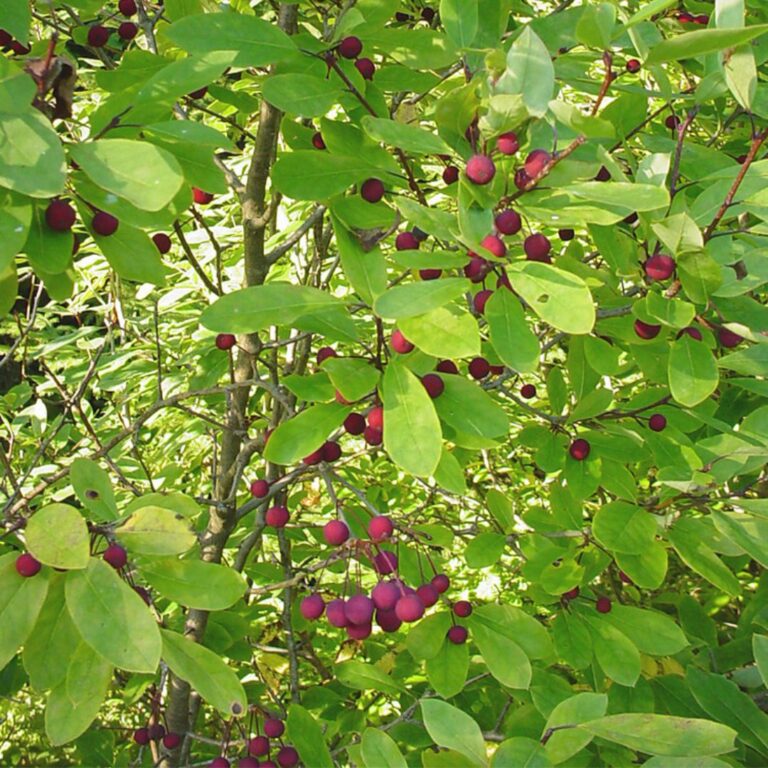
2/2/25: American Rowan

Found atop the Western Maine Mountains and along the rugged Downeast coast, the humble mountain-ash is a boon to wildlife, large and small. 

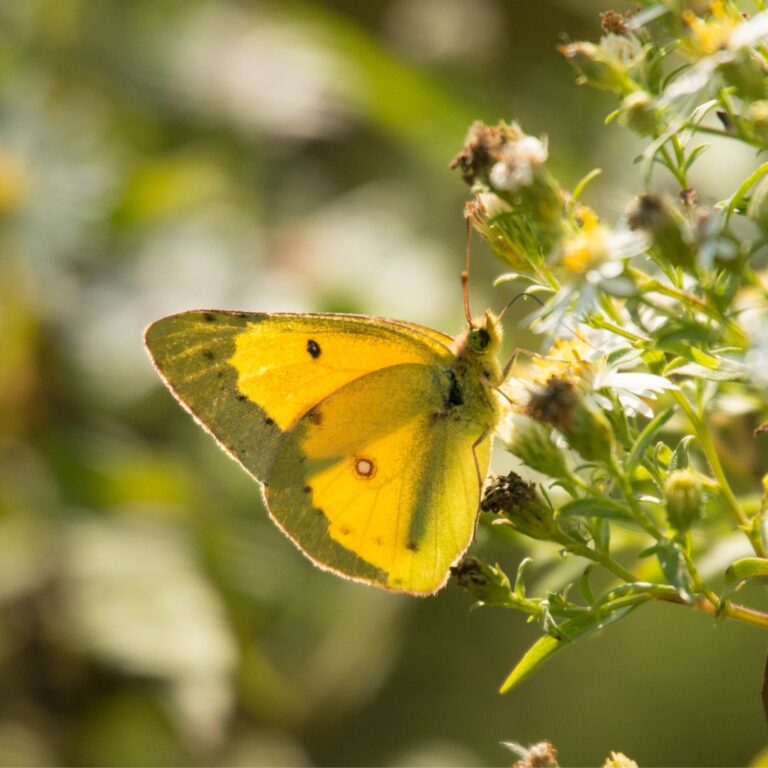
1/26/25: Late Autumn Sulphurs

Late autumn isn't usually a time associated with butterflies, yet a few hardy species persist despite chill and frost.

1/19/25: Hollies of Maine

Hollies have long been associated with winter celebrations, both "across the pond" and here at home. Here we introduce Maine's three native species: winterberry, mountain holly, and inkberry. 

12/15/24: Jay Mimicry

Is that truly a hawk you hear? Learn the deceptive tactics jays employ to secure their share of the acorn crop.

12/8/24: Seasonal Shift

The transition from summer to autumn ushers in more than just magnificent foliage. Join Logan on a stroll through a Maine landscape in flux.

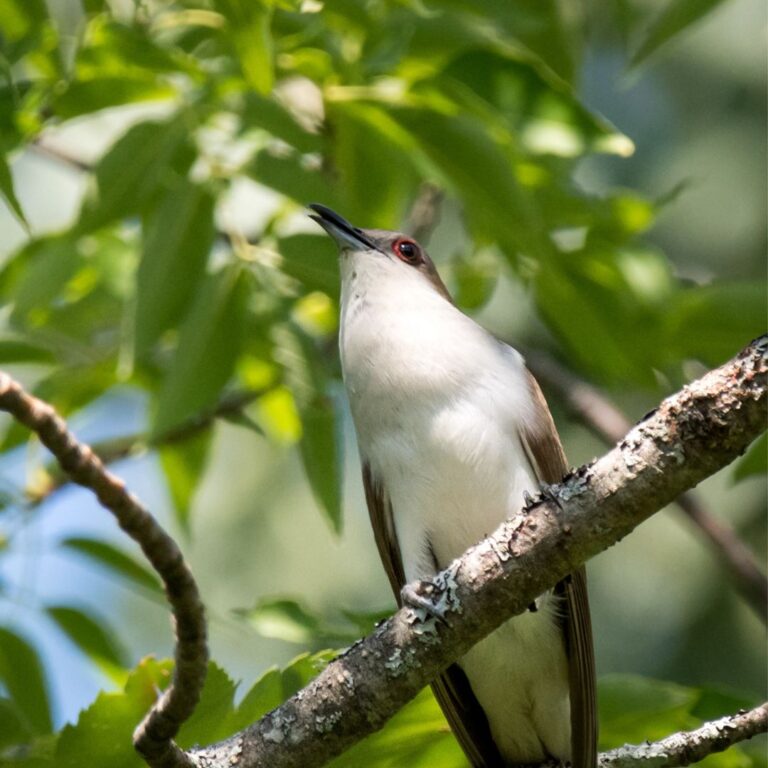
12/1/24: Clock-work

Maine’s cuckoos are among the most secretive birds to breed within our woodlands. Here we explore their fascinating natural history through the lens of field observations.

Nest Box Monitoring

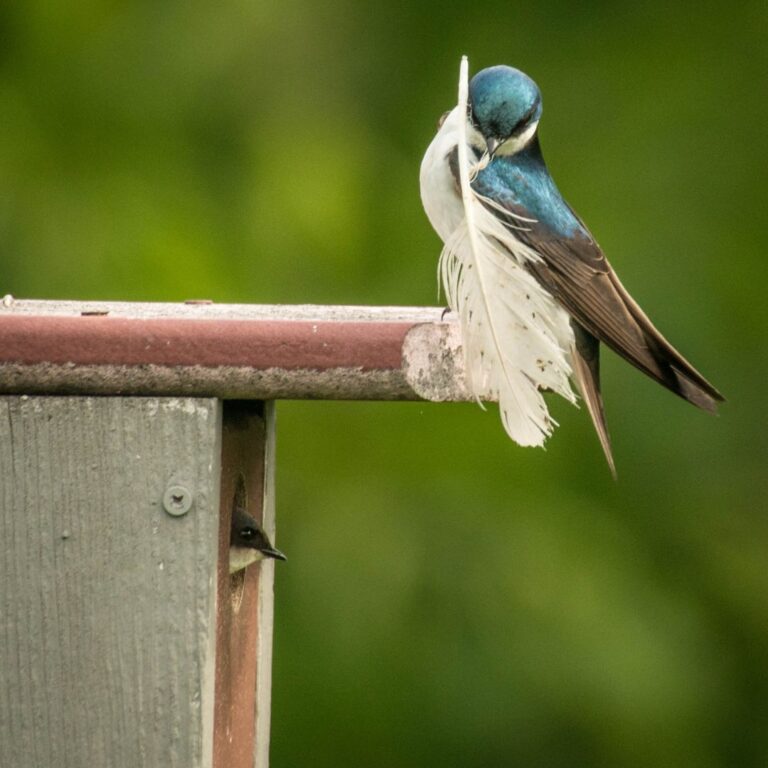
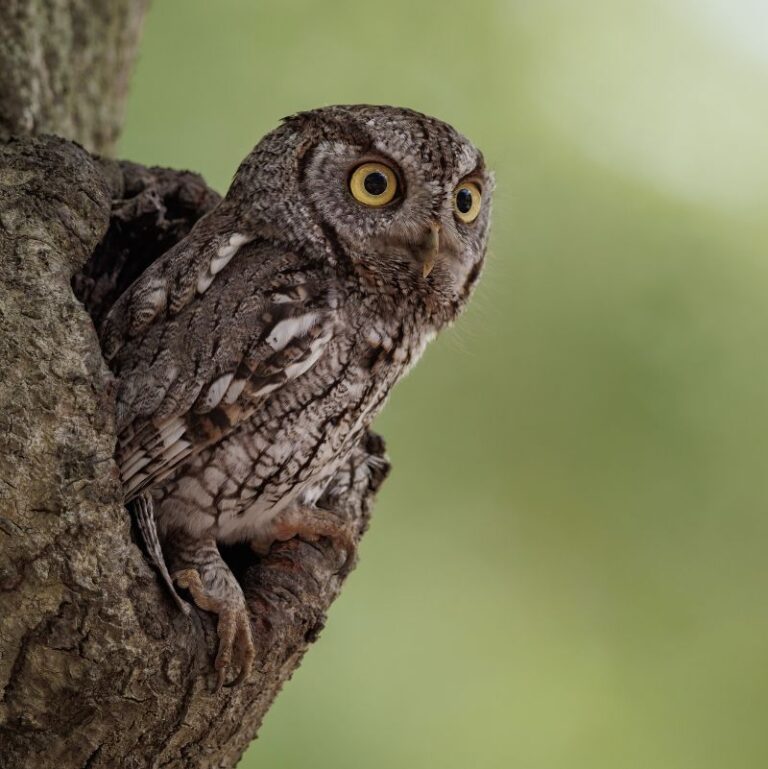
Monitor a Nest Box on your property! Each spring, Maine experiences an influx of hundreds of migratory breeding birds, many of whom utilize cavities for nesting sites. Our state, with its rich mosaic of different habitat types, provides suitable breeding…

Nightjar Monitoring

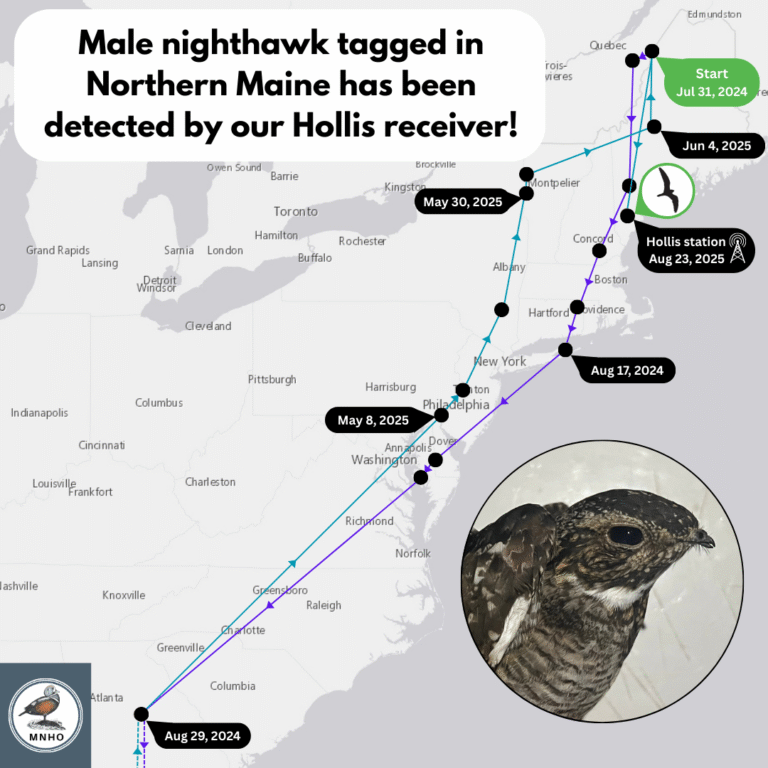
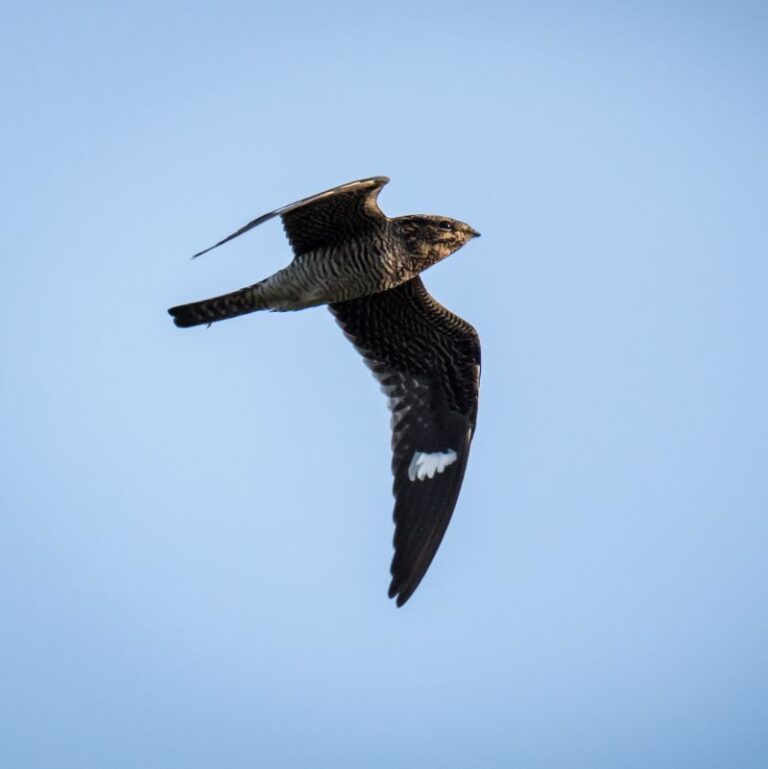
Maine’s Eastern Whip-poor-wills and Common Nighthawks have undergone significant declines in recent years and MNHO is partnering with Maine Department of Inland Fisheries and Wildlife and the Biodiversity Research Institute to try to figure out why and what can be done.