Celeste Mittelhauser

3/1/26: Molluscan Mystery in Acadia, part 2
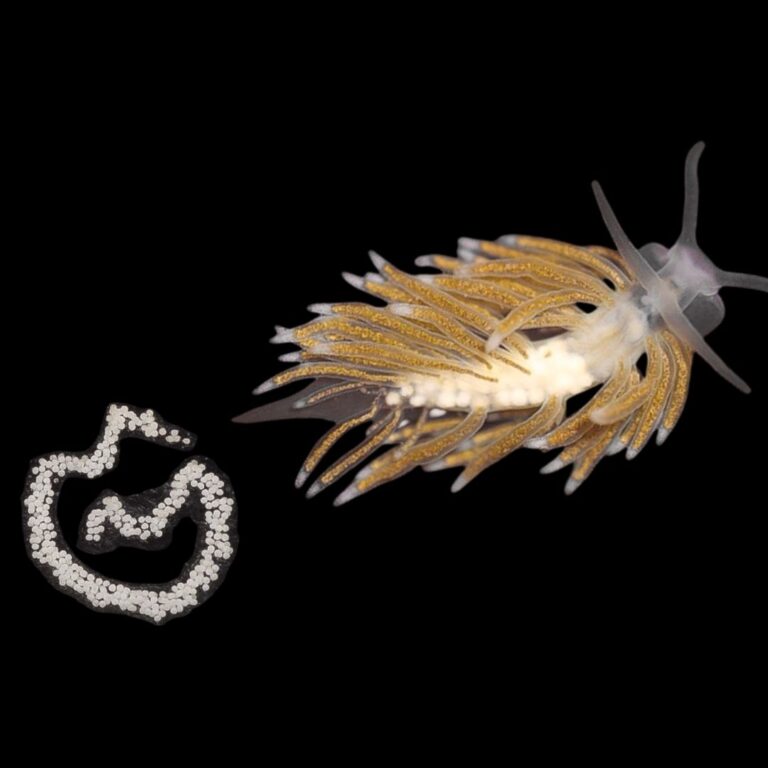
nudibranch

In Part 2, Jovan Grollino recounts the careful observation, rearing, and documentation of the mystery aeolid nudibranch, from egg-laying to larval development. The episode traces how these findings helped rule out known species and culminated in the specimen being sent for DNA analysis, with the possibility of a species new to science.
2/22/26: Molluscan Mystery in Acadia, part 1

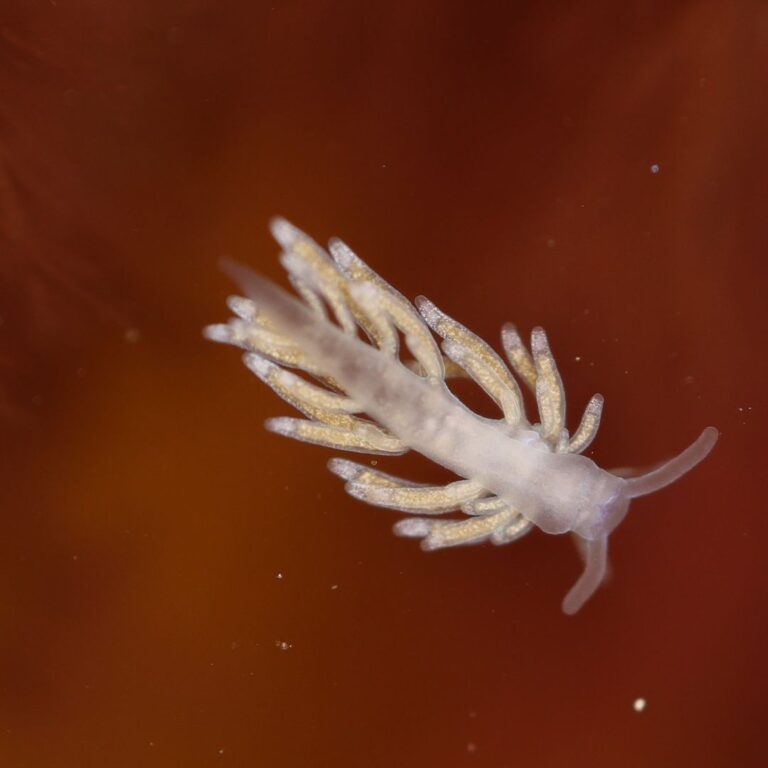
Nudibranch

Part 1 of an essay by Jovan Grollino introduces listeners to the surprising diversity of nudibranchs and sea slugs in Acadia’s tide pools and the obsessive pull of studying these intricate marine mollusks. The episode follows the discovery of an unfamiliar aeolid nudibranch on Mount Desert Island and the early clues suggesting it may be something new.

2/15/26: Observations at a Dug Pond

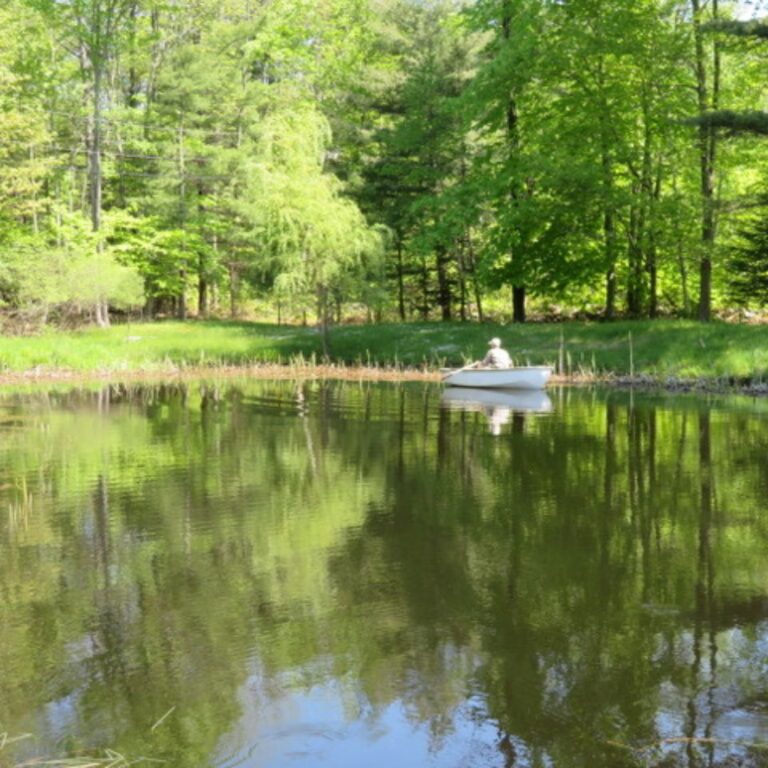
In this episode, Celeste reads an essay by Janet Galle reflecting on decades of close observation at a small dug pond, from frogs and aquatic insects to the arrival of leeches. Through a memorable encounter with a determined leech, the piece explores resilience, instinct, and the shifting balance of a backyard food web.

11/2/25: Two Domes Diverged by A Stream Channel, part 2

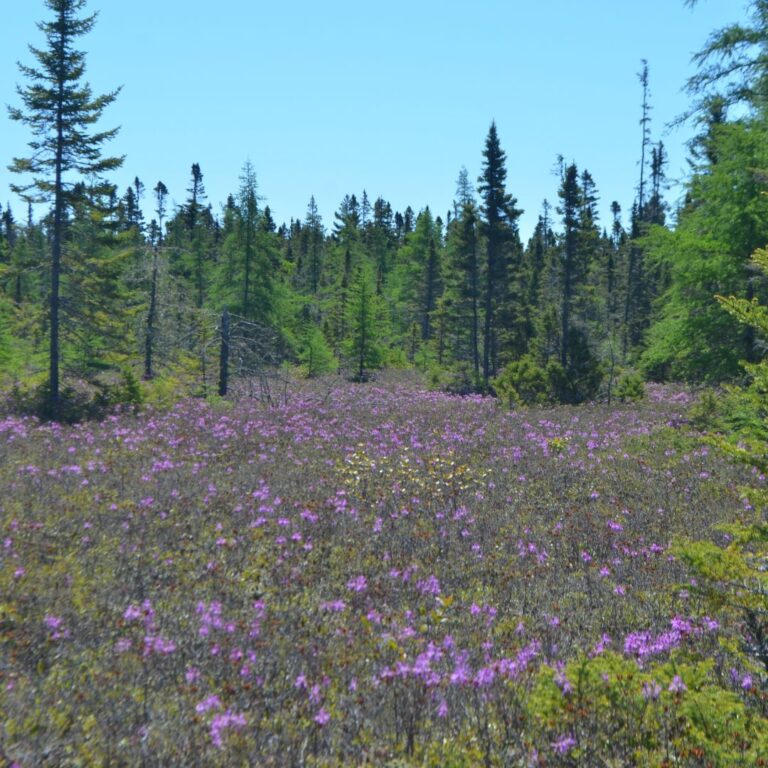
Bog with trees and flowers

This episode continues Laura Hatmaker’s reflections on Balch Head Heath and the dilemmas of conservation management. She considers the uncertainties of bog succession, the challenges of climate change and incomplete historical records, and the importance of long-term monitoring. Laura shares her work establishing protocols for future surveys, ensuring that data will guide conservation decisions for years to come.

10/26/25: Two Domes Diverged by A Stream Channel, part 1

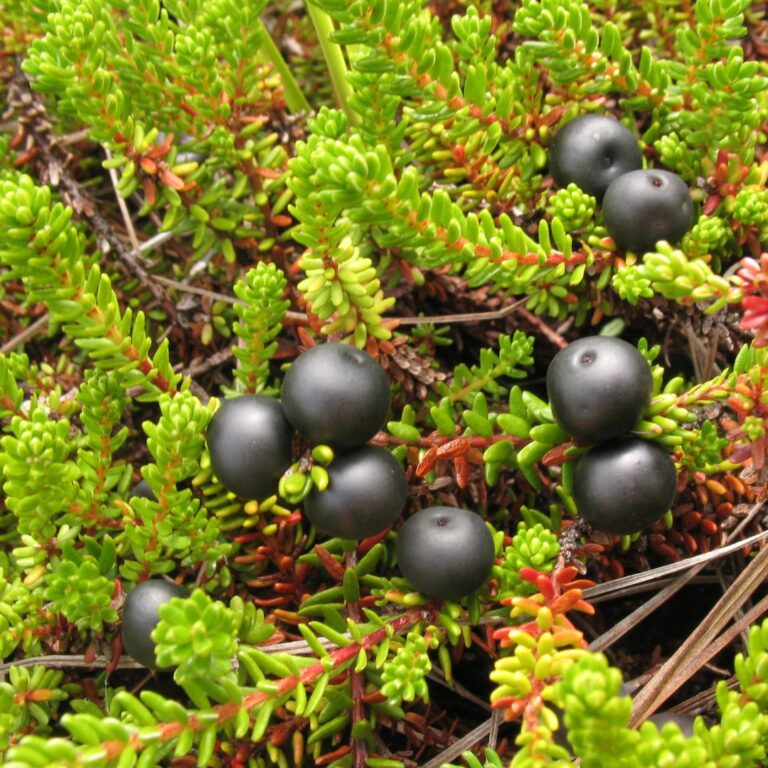
Crowberry plant

This episode features part one of an essay by environmental scientist Laura Hatmaker, exploring Balch Head Heath, a rare Coastal Plateau Bog in Lubec, Maine. Laura describes the contrasting northern and southern domes of the peatland, the habitat of the rare Crowberry Blue butterfly, and the questions conservationists face when deciding whether to intervene in natural processes.