Insects

2/1/26: Maine’s Marauders, Bandits, and Thieves
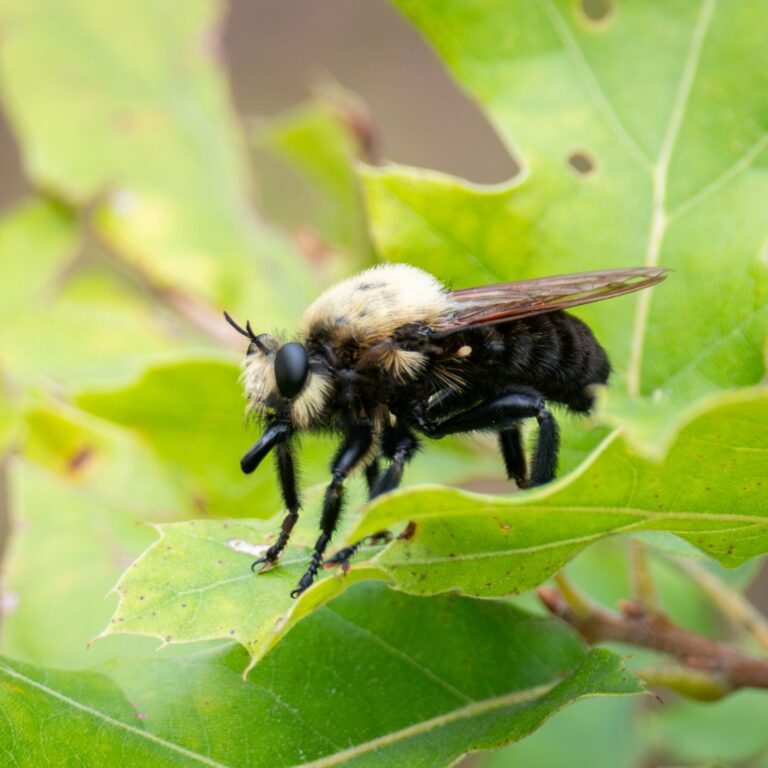
Laphria grossa

In this episode, Logan introduces listeners to the robber flies—voracious predatory insects with names like “marauder,” “bandit,” and “thief”—and describes their surprising diversity in Maine, from garden-perching hammertails to the formidable marauders of the pine barrens. He also highlights their ecological value, noting how these agile hunters help keep insect populations in balance despite their fearsome reputation.
1/11/26: Maine’s Pine Barrens, part 3

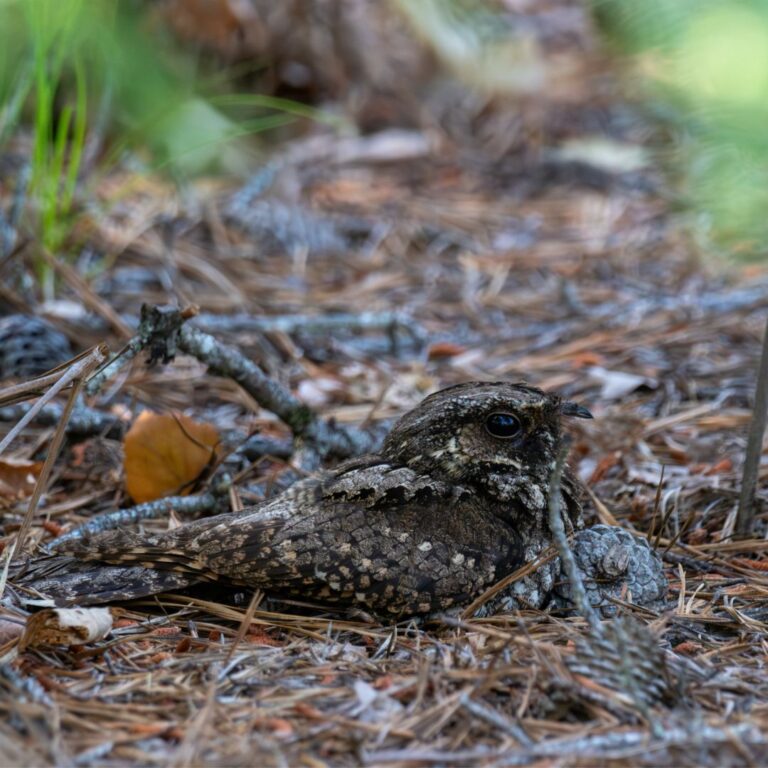
Eastern Whip-poor-will

In this episode, Logan shares nighttime experiences studying whip-poor-wills in Maine’s barrens, describing the shifting soundscape, dense scrub oak nesting sites, and the remarkable protection these habitats offer to ground-nesting nightjars. He also highlights other rare wildlife that depend on these young forests, from Black Racers to New England Cottontails, underscoring the importance of conserving these resilient but vulnerable landscapes.

1/4/26: Maine’s Pine Barrens, part 2

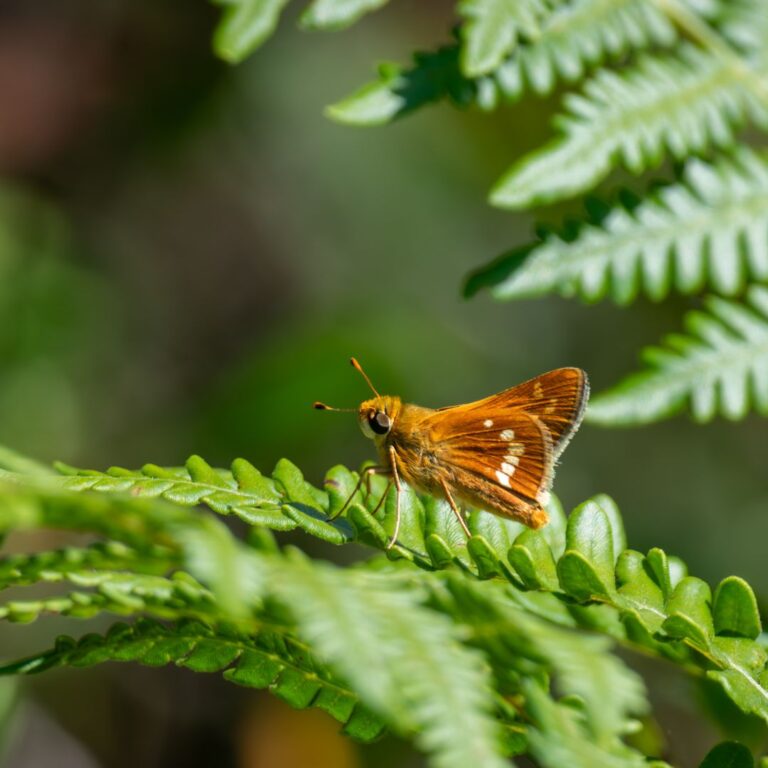
Leonard's Skipper

In this episode, Logan explores the plant communities of Maine’s pitch pine–scrub oak barrens, from fire-adapted pines and dense thickets of scrub oak to rare wildflowers, grasses, and sandplain specialists. He highlights the insects and butterflies that depend on these habitats, including several rare species, and the management efforts that help maintain these declining ecosystems.

11/2/25: Two Domes Diverged by A Stream Channel, part 2

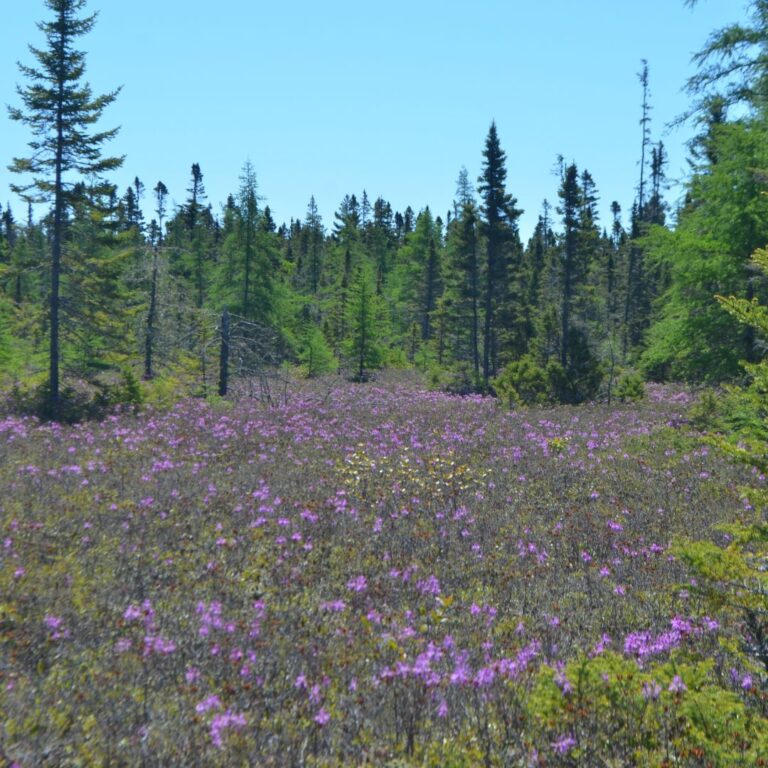
Bog with trees and flowers

This episode continues Laura Hatmaker’s reflections on Balch Head Heath and the dilemmas of conservation management. She considers the uncertainties of bog succession, the challenges of climate change and incomplete historical records, and the importance of long-term monitoring. Laura shares her work establishing protocols for future surveys, ensuring that data will guide conservation decisions for years to come.

10/26/25: Two Domes Diverged by A Stream Channel, part 1

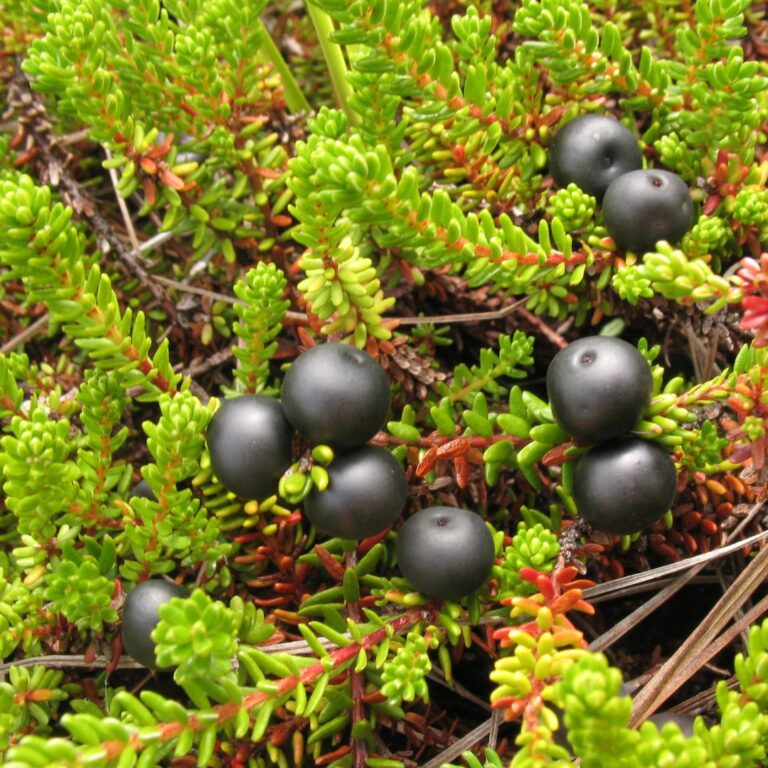
Crowberry plant

This episode features part one of an essay by environmental scientist Laura Hatmaker, exploring Balch Head Heath, a rare Coastal Plateau Bog in Lubec, Maine. Laura describes the contrasting northern and southern domes of the peatland, the habitat of the rare Crowberry Blue butterfly, and the questions conservationists face when deciding whether to intervene in natural processes.

1/26/25: Late Autumn Sulphurs

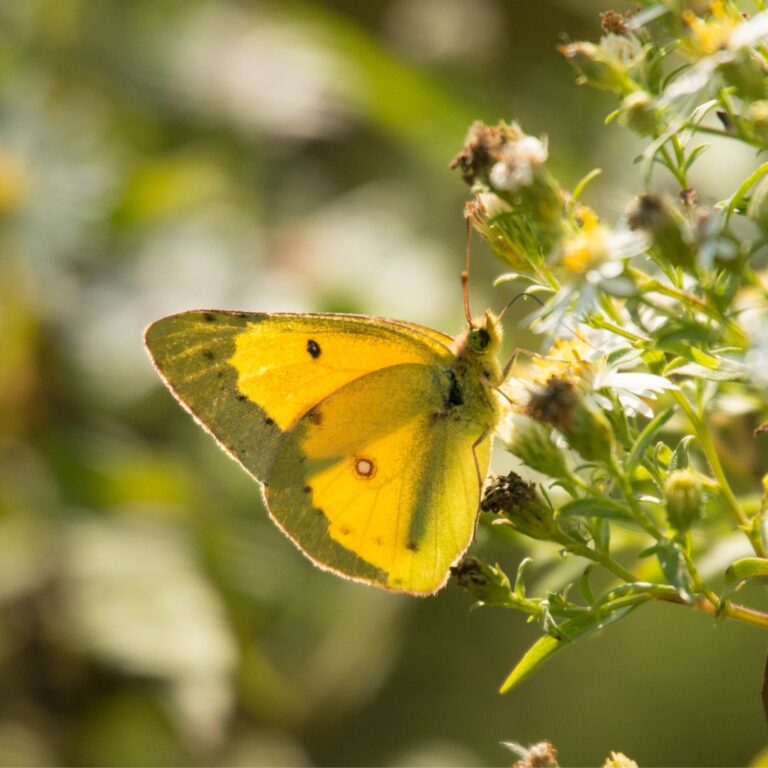
Late autumn isn't usually a time associated with butterflies, yet a few hardy species persist despite chill and frost.

12/8/24: Seasonal Shift

The transition from summer to autumn ushers in more than just magnificent foliage. Join Logan on a stroll through a Maine landscape in flux.

Curating Collections

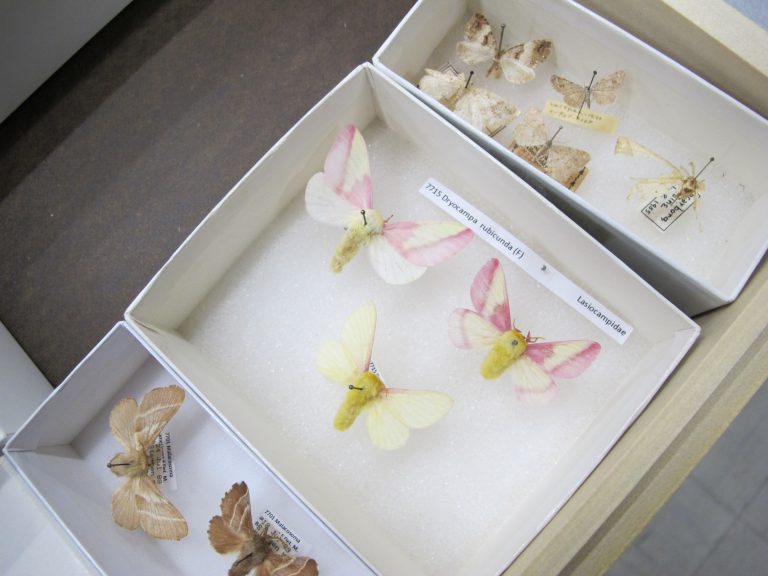
The Observatory’s work falls into two main categories: data collection and data preservation.  Whether it’s notes in a notebook or physical specimens, how data is stored and preserved requires careful planning so that the information will be accessible and usable…