

Nature Notes: A Maine Naturalist Afield is a 5-minute, spoken-word program produced by MNHO staff that discusses natural history topics relating to Maine’s flora and fauna from the perspective of field biologists and naturalists.
Nature Notes is broadcast on WERU Community Radio 89.9 FM on Sundays at 9:30 a.m.
-
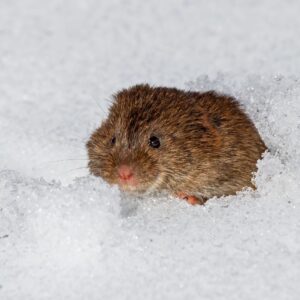
3/22/26: Beneath the Snow – Winter Life of Meadow Voles
Logan explores the hidden world of Eastern Meadow Voles living within the subnivean zone beneath Maine’s winter snowpack. He describes their tunnel networks, grass-lined nests, and winter survival strategies, placing these small mammals within the broader ecology of predators, seed dispersal, and seasonal population cycles.
-
3/15/26: Sailing Through Plastic Along the Maine Coast
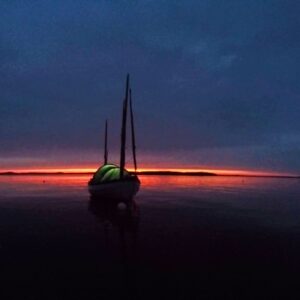
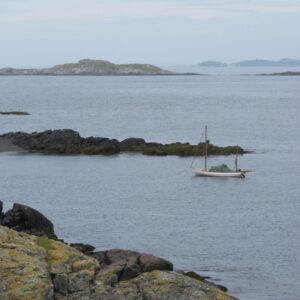
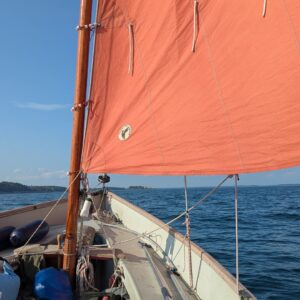
Recorded while sailing east along the Maine coast in the summer of 2025, this episode reflects on the striking absence of visible plastic at sea and the far more pervasive presence of microplastics throughout the water column. Glen explains how these long-lived fragments move through marine food webs, from plankton and shellfish to birds and seals, and why reducing single-use plastics remains one of the most direct ways individuals can make a difference.
-
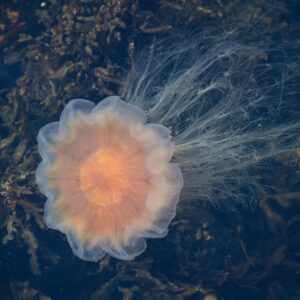
3/8/26: Lion’s Mane Jellyfish Along the Maine Coast
Recorded while sailing east along the Maine coast in the summer of 2025, this episode reflects on sightings of Lion’s Mane jellyfish and how their presence varies with water temperature and coastal geography. Glen describes their immense size potential, surprising life cycle, and their place in Maine’s cold-water food web, contrasting them with the more familiar moon jellyfish of Penobscot Bay.
-
3/1/26: Molluscan Mystery in Acadia, part 2
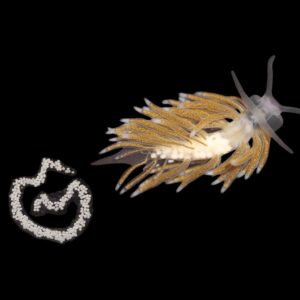
In Part 2, Jovan Grollino recounts the careful observation, rearing, and documentation of the mystery aeolid nudibranch, from egg-laying to larval development. The episode traces how these findings helped rule out known species and culminated in the specimen being sent for DNA analysis, with the possibility of a species new to science.
-
2/22/26: Molluscan Mystery in Acadia, part 1
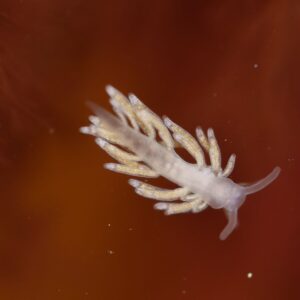
Part 1 of an essay by Jovan Grollino introduces listeners to the surprising diversity of nudibranchs and sea slugs in Acadia’s tide pools and the obsessive pull of studying these intricate marine mollusks. The episode follows the discovery of an unfamiliar aeolid nudibranch on Mount Desert Island and the early clues suggesting it may be something new.
-
2/15/26: Observations at a Dug Pond
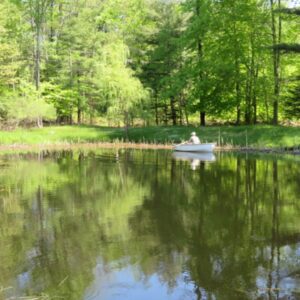
In this episode, Celeste reads an essay by Janet Galle reflecting on decades of close observation at a small dug pond, from frogs and aquatic insects to the arrival of leeches. Through a memorable encounter with a determined leech, the piece explores resilience, instinct, and the shifting balance of a backyard food web.
-
2/8/26: Cold Currents and the Downeast Coast
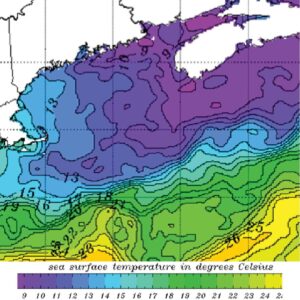
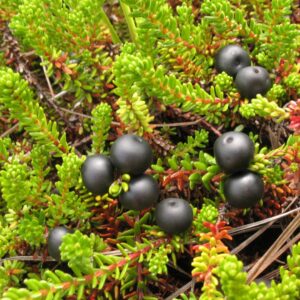
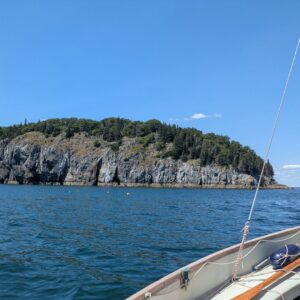
Recorded while sailing east along the Maine coast in the summer of 2025, this episode explores how cold ocean currents shape the ecology of Downeast Maine. Glen explains how the Labrador Current, Bay of Fundy tidal mixing, and underwater topography deliver cold water to eastern Maine, supporting Arctic plant communities on coastal and offshore islands and highlighting why baseline ecological data are essential as the Gulf of Maine warms.
-
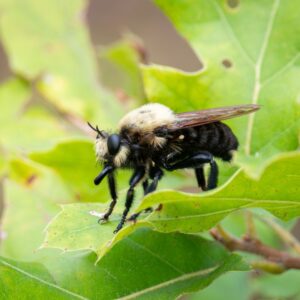
2/1/26: Maine’s Marauders, Bandits, and Thieves
In this episode, Logan introduces listeners to the robber flies—voracious predatory insects with names like “marauder,” “bandit,” and “thief”—and describes their surprising diversity in Maine, from garden-perching hammertails to the formidable marauders of the pine barrens. He also highlights their ecological value, noting how these agile hunters help keep insect populations in balance despite their fearsome reputation.
-
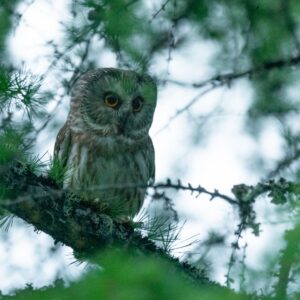
1/25/26: Saw-whet Owls at Petit Manan Point, part 2
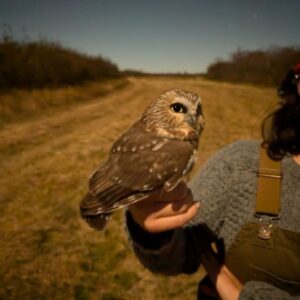
In this episode, Tracy and Coco Faber explain why Petit Manan Point, despite its sparse vegetation, is an effective place to band migrating Northern Saw-whet Owls. They discuss how coastal landscapes funnel migrants, why most Saw-whets they capture are females, and how cone-mast cycles drive dramatic swings in owl numbers from year to year.
-
1/18/26: Saw-whet Owls at Petit Manan Point, part 1
This episode features sisters Tracy and Coco Faber, who spend their nights banding migrating Northern Saw-whet Owls at Petit Manan Point. They describe how mist nets and audio lures help capture these tiny, nocturnal migrants and how recent banding efforts have revealed the species to be far more abundant than once believed.
-
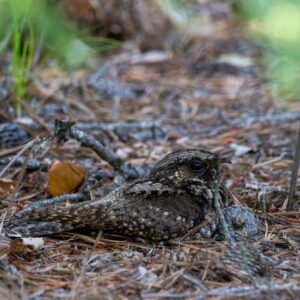
1/11/26: Maine’s Pine Barrens, part 3
In this episode, Logan shares nighttime experiences studying whip-poor-wills in Maine’s barrens, describing the shifting soundscape, dense scrub oak nesting sites, and the remarkable protection these habitats offer to ground-nesting nightjars. He also highlights other rare wildlife that depend on these young forests, from Black Racers to New England Cottontails, underscoring the importance of conserving these resilient but vulnerable landscapes.
-
1/4/26: Maine’s Pine Barrens, part 2
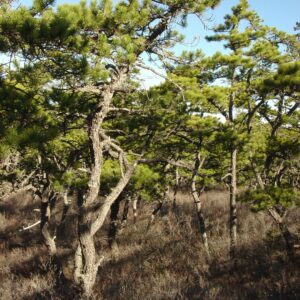
In this episode, Logan explores the plant communities of Maine’s pitch pine–scrub oak barrens, from fire-adapted pines and dense thickets of scrub oak to rare wildflowers, grasses, and sandplain specialists. He highlights the insects and butterflies that depend on these habitats, including several rare species, and the management efforts that help maintain these declining ecosystems.
-
12/28/25: Maine’s Pine Barrens, part 1
In this episode, Logan introduces Maine’s rare pitch pine–scrub oak barrens, explaining how glacial sands, fire, and other disturbances shaped these unusual habitats and how development and fire suppression have contributed to their decline. He also reflects on how his nightjar research led him into these ecosystems, which support several rare species despite their limited extent.
-
12/21/25: A Conversation with Seabird Researchers, 2025
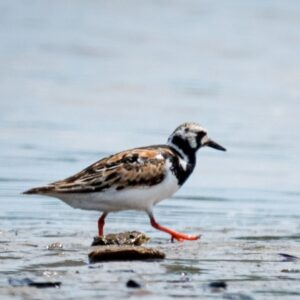
This episode features a discussion with Coco and Tracey Faber, Alison Ballard, and Peyton Caylor, seabird researchers who worked on Maine’s offshore colonies this summer. Together they reflect on the role of these islands beyond nesting seabirds, describing their importance as stopovers for migrating shorebirds and staging areas for gulls. They share observations of sandpipers, plovers, Ruddy Turnstones, and other migrants, and note how islands like Eastern Egg Rock can host large flocks during peak migration.
-
12/14/25: A Conversation with Peyton Caylor and Colleagues, 2025
This episode begins with an interview with Peyton Caylor about her work on Matinicus Rock, comparing seabird research there with her season on the Farallon Islands. The conversation expands to include Coco and Tracey Faber from Seal Island and Matinicus Rock, and Alison Ballard from Eastern Egg Rock, as they discuss seabird dynamics across colonies, unusual visitors like the Tufted Puffin, and the parallels and contrasts between Atlantic and Pacific seabird systems.
-
12/7/25: A Conversation with Alison Ballard, 2025
Alison Ballard, who spent the summer supervising Eastern Egg Rock for Project Puffin, reflects on the differences between working on Matinicus Rock and Egg Rock, the unique mix of seabirds found at this nearshore colony, and the challenges of monitoring puffin productivity in such rocky terrain. She also shares insights into the colony’s growth, from new burrows to the dense nesting of puffins in limited space.
-
11/30/25: A Conversation with Coco and Tracey Faber, 2025, part 4
This episode is part 4 of an interview with Coco and Tracey Faber, who have spent the past decade working in Maine’s offshore seabird colonies. They reflect on broader patterns observed across years of fieldwork, including tern foraging strategies during food shortages, the recurring mid-July drop in forage fish, and the stark differences in survival between early- and late-hatched puffin chicks.
-
11/23/25: A Conversation with Coco and Tracey Faber, 2025, part 3
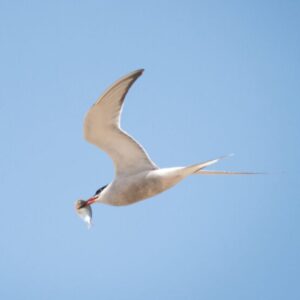
This episode is part 3 of an interview with Coco and Tracey Faber, who have spent the past decade working in Maine’s offshore seabird colonies. They discuss the challenges facing Arctic and Common Terns, from poor body condition on return from migration to storms, food shortages, and gull predation. Despite these pressures, they describe moments of resilience when chicks recovered rapidly once conditions improved.
-
11/16/25: A Conversation with Coco and Tracey Faber, 2025, part 2
This episode is part 2 of an interview with Coco and Tracey Faber, who have spent the past decade working in Maine’s offshore seabird colonies. They discuss the struggles and resilience of seabirds facing storms and changing conditions, share the story of a record-aged puffin still breeding at 36 years old, and reflect on long-term changes in island vegetation and tern colony numbers.
-
11/9/25: A Conversation with Coco and Tracey Faber, 2025, part 1
This episode is part 1 of an interview with Coco and Tracey Faber who have spent the past decade working in Maine’s offshore seabird colonies. Coco shares her experiences on Seal Island, the state’s largest puffin colony, while Tracey describes her work on nearby Matinicus Rock. Together they reflect on a season of challenges and surprises in the Gulf of Maine, from poor prey availability and storm impacts on terns and Razorbills to unexpectedly strong productivity among puffins.
-
11/2/25: Two Domes Diverged by A Stream Channel, part 2
This episode continues Laura Hatmaker’s reflections on Balch Head Heath and the dilemmas of conservation management. She considers the uncertainties of bog succession, the challenges of climate change and incomplete historical records, and the importance of long-term monitoring. Laura shares her work establishing protocols for future surveys, ensuring that data will guide conservation decisions for years to come.
-
10/26/25: Two Domes Diverged by A Stream Channel, part 1
This episode features part one of an essay by environmental scientist Laura Hatmaker, exploring Balch Head Heath, a rare Coastal Plateau Bog in Lubec, Maine. Laura describes the contrasting northern and southern domes of the peatland, the habitat of the rare Crowberry Blue butterfly, and the questions conservationists face when deciding whether to intervene in natural processes.
-
10/19/25: A Discussion with Elliot Johnston
Elliot, an ecologist at Maine Natural History Observatory, discusses his work on purple sandpipers, island songbirds, and upcoming research on mammals and Black Guillemots. He also reflects on his path into field biology, from backyard bird feeders to graduate school at the University of Maine, and shares his perspective on Maine’s islands as unique self-contained ecosystems with rich opportunities for future research.
-
10/12/25: Sailing the Maine Coast, part 7
In this episode, Glen rows and sails along Mount Desert Island’s south shore, recalling his early days learning plants and birds and the beginnings of his field ecology career. He describes the quiet rhythm of rowing and decades of ecological surveys along the Maine coast.
-
10/5/25: Sailing the Maine Coast, part 6
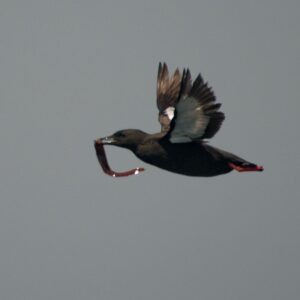
Leaving Marshall Island after a rainy night at anchor, Glen sails east toward Mason Ledge, a long-time seabird colony. Along the way, he notes loons now commonly seen on saltwater in summer, lines of Black Guillemots, and flocks of southbound Semipalmated Sandpipers.
-
9/28/25: Sailing the Maine Coast, part 5
Anchored in Boxam Cove on Marshall Island, Glen reflects on a rainy night lit by the glow of bioluminescent plankton. Morning brings fog, eagles, schools of fish, and the striking contrast of dark spruce forests against patches of blue sky as Glen shares the beauty and solitude of Maine’s wild offshore islands.
-
9/21/25: Sailing the Maine Coast, part 4
As Glen sails past Roberts and Brimstone Islands south of Vinalhaven, he reflects on decades of baseline research in collaboration with Maine Coastal Islands National Wildlife Refuge—mapping vegetation, inventorying plants, and surveying birds to track long-term ecological change. Along the way, he shares the challenges of island fieldwork, a close puffin sighting far from a breeding colony, and the occasional mishap with lobster buoys.
-
9/14/25: Sailing the Maine Coast, part 3
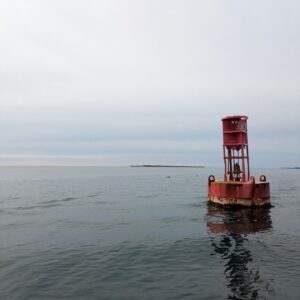
Drifting in Penobscot Bay, Glen shares the sounds of a ringing bell buoy, a close encounter with harbor porpoises, and surprising concentrations of moon jellyfish. When the sea breeze arrives, he sails south of Vinalhaven, reveling in a fast and lively run along the Maine coast.
-
9/7/25: Sailing the Maine Coast, part 2
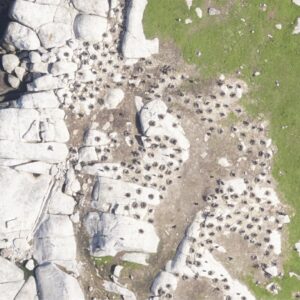
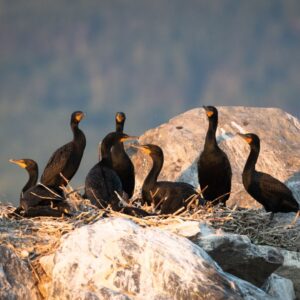
This episode takes listeners to a bustling gull and cormorant colony on Garden Island near the Mussel Ridge Channel, where the air is filled with noise, movement, and the pungent scent of seabird guano. Glen describes colony counts using aerial imagery and the ingenious ways cormorants keep cool on hot days, blending science with the sensory details of a summer visit.
-
8/31/25: Sailing the Maine Coast, part 1
In this episode, Glen shares observations about terns, cormorants, Black Guillemots, and eider as he sails Maine’s midcoast, from seabird-rich Muscongus Bay to the narrow Muscle Ridge Channel.
-
8/24/25: A Hunt for the Winter Wren
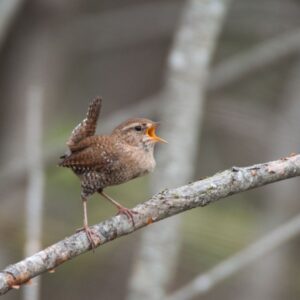
This episode follows one naturalist’s decades-long quest to see the elusive Winter Wren, from first hearing its song in the Maine North Woods to the long summer mornings spent waiting for a glimpse in a damp forest swale. Written by Janet Galle, this essay was originally published in The Observer, an online natural history journal from Maine Natural History Observatory.
-
8/17/25: Cliff Swallows
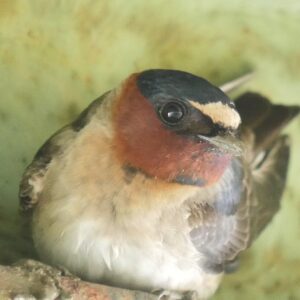
This episode tells the story of one biologist’s journey into Cliff Swallow conservation, from rescuing fallen nestlings to developing management techniques that help colonies rebound in the face of habitat loss and invasive species. This essay, written by Mara Silver and read by Pepin Mittelhauser, was originally published in The Observer, an online natural history journal published by Maine Natural History Observatory.
-
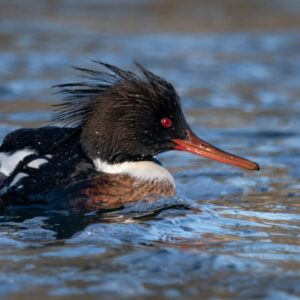
8/3/25: The Hunt for the Red-breasted Merganser, part 4
After being temporarily stranded across Moosehead Lake’s Northwest Cove, Logan set out to Seboomook Island and the conclusion of his multi-trip effort to document Red-breasted Merganser breeding in Maine.
-
7/27/25: The Hunt for the Red-breasted Merganser, part 3
The final opportunity to document breeding Red-breasted Mergansers arrives, but events take an unexpected turn with the shifting of the wind.
-
7/20/25: The Hunt for the Red-breasted Merganser, part 2
The search for mergansers continues and leads to lake isles crowded with colony nesting birds on Maine’s largest lake while subsequent efforts are dashed by fickle conditions.
-
7/13/25: The Hunt for the Red-breasted Merganser, part 1
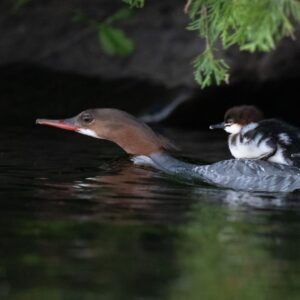
A noteworthy observation on Moosehead Lake sparks a determined effort to document one of Maine’s rarest breeding waterfowl.
-
7/6/25: Summer Solstice
This episode reflects on the beauty of the summer solstice, celebrating the lush abundance of early summer while acknowledging the quiet turning point toward shorter days and the rhythm of the seasons. This essay, written by Lewis Holmes and read by Pepin Mittelhauser, was originally published in The Observer, an online natural history journal published by Maine Natural History Observatory.
-
6/29/25: A Discussion with Megan McOsker, part 5
Glen talks with Megan about the changes that she has seen in the ecology of the Gulf of Maine area.
-
6/22/25: A Discussion with Megan McOsker, part 4
Glen talks with Megan about her work studying whales and their ecology.
-
6/15/25: A Discussion with Megan McOsker, part 3
Glen talks with Megan about her work as a natural history guide and researcher and becoming a teacher.
-
6/8/25: A Discussion with Megan McOsker, part 2
Glen talks with Megan about her interdisciplinary and immersive natural history education at College of the Atlantic.
-
6/1/25: A Discussion with Megan McOsker, part 1
Glen talks with Megan about how her childhood in Rhode Island nurtured her love of natural history and the importance of teaching natural history to everyone.
-
5/25/25: Shark Alley
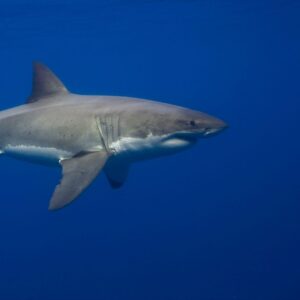
Logan explores the evolving presence of sharks in the Gulf of Maine, from childhood memories of touch-tank dogfish to the modern realities of Great White Sharks along Maine’s coast. This episode examines shifting shark populations, seal recovery, and how modern tracking research is reshaping our understanding of these apex predators.
-
5/18/25: Wet Woodlands & Four-toed Salamanders
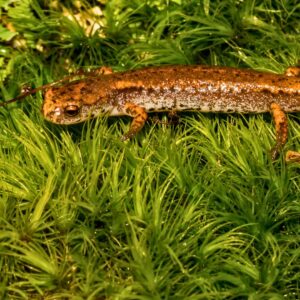
Logan describes the character of the “wet woods” surrounding his home, spring “big nights,” and his elusive four-toed neighbor.
-
5/11/25: A Walk with Rich MacDonald, part 4
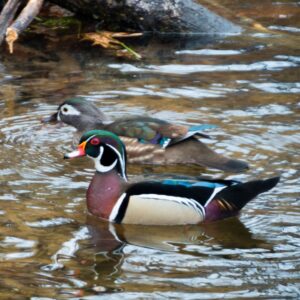
Glen walks a trail on Mount Desert Island with naturalist Rich MacDonald and they discuss Wood Ducks.
-
5/4/25: A Walk with Rich MacDonald, part 3
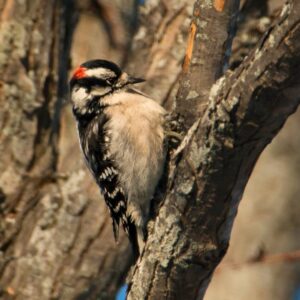
Glen walks a trail on Mount Desert Island with naturalist Rich MacDonald and they discuss woodpeckers.
-
4/27/25: A Walk with Rich MacDonald, part 2
Glen walks a trail on Mount Desert Island with naturalist Rich MacDonald and we talk about how he got started as a naturalist.
-
4/20/25: A Walk with Rich MacDonald, part 1
Glen walks a trail on Mount Desert Island with naturalist Rich MacDonald exploring the region’s diverse habitats and
discussing the area’s unique ecology. -
4/13/25: Brown Brook Thaw
This piece is a reflection on the ecological stirrings of early spring, centered on the thaw and renewal of a small brook. As the snowmelt surges through the brook, it awakens a vibrant world of birds, amphibians, and aquatic life, offering a fleeting season of beauty before the forest fully leafs out.
-
4/6/25: Cold Beauty of the Marsh, and Pipits
On a frigid January morning, Lewis Holmes explores a frozen Scarborough Marsh, encountering a variety of winter birds whose brief yet vibrant presence contrasts with the solitude and cold, evoking memories of the livelier summer months.
-
3/30/25: John on Isle au Haut, part 2
Glen and Logan speak with John on Isle au Haut about the changes in the island’s biota he has observed over the past few decades. This is the second part of their conversation.
-
3/23/25: John on Isle au Haut, part 1
Glen and Logan speak with John on Isle au Haut about the changes in the island’s biota he has observed over the past few decades. This is the first part of their conversation.
-
3/16/25: Wet Flats in Winter
Learn about the ecoregion known as the Upper Saint John Wet Flats with Logan Parker.
-
3/9/25: The Tree Fox
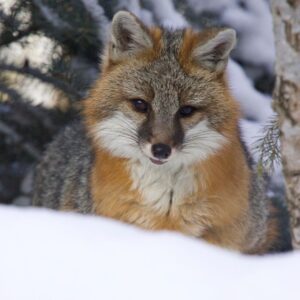
Learn about the elusive Gray Fox with Logan Parker.
-
3/2/25: Learning and Teaching Natural History
This episode is a continuation of an interview with both Jill Weber and Karen Zimmermann who talk about their experience with learning and teaching natural history.
-
2/23/25: Learning as a Maine Field Naturalist
This episode is an interview with Karen Zimmermann who talks about her journey learning field biology in Maine.
-
2/16/25: Discussion with a Dedicated Botanist
This episode is an interview with Jill Weber, a dedicated botanist from Maine whose work focuses on preserving the unique plant ecosystems of Maine.
-
2/9/25: Journey into Field Botany
This episode is an interview with Finn O’Connor about their journey into the world of field botany and how it all began.
-
2/2/25: American Rowan
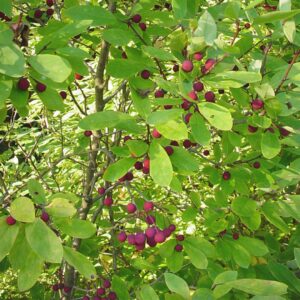
Found atop the Western Maine Mountains and along the rugged Downeast coast, the humble mountain-ash is a boon to wildlife, large and small.
-
1/26/25: Late Autumn Sulphurs
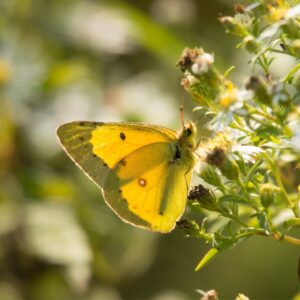
Late autumn isn’t usually a time associated with butterflies, yet a few hardy species persist despite chill and frost.
-
1/19/25: Hollies of Maine
Hollies have long been associated with winter celebrations, both “across the pond” and here at home. Here we introduce Maine’s three native species: winterberry, mountain holly, and inkberry.
-
1/12/25: Maine Seabird Crew, 2024, part 2
This episode is part 2 of an interview with Tracey Faber, Liv Ridley, and Coco Faber who are field biologists working out on offshore seabird colonies in Maine.
-
1/5/25: Maine Seabird Crew, 2024, part 1
This episode is part 1 of an interview with Tracey Faber, Liv Ridley, and Coco Faber who are field biologists working out on offshore seabird colonies in Maine.
-
12/29/24: Maine Seaweeds, part 2
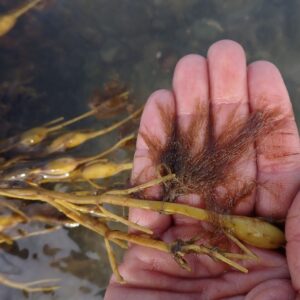
This episode is part 2 of an interview with Amanda Savoie and Jordan Chalfant who are field biologists working to build a field guide to the seaweeds of Maine.
-
12/22/24: Maine Seaweeds, part 1
This episode is part 1 of an interview with Amanda Savoie and Jordan Chalfant who are field biologists working to build a field guide to the seaweeds of Maine.
-
12/15/24: Jay Mimicry
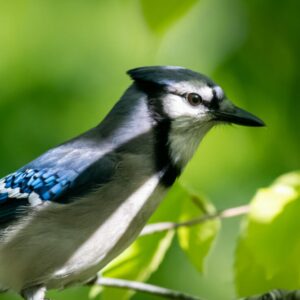
Is that truly a hawk you hear? Learn the deceptive tactics jays employ to secure their share of the acorn crop.
-
12/8/24: Seasonal Shift
The transition from summer to autumn ushers in more than just magnificent foliage. Join Logan on a stroll through a Maine landscape in flux.
-
12/1/24: Clock-work
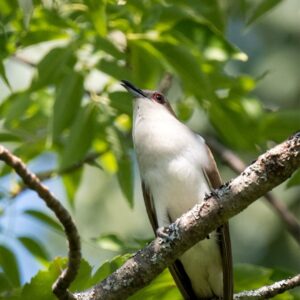
Maine’s cuckoos are among the most secretive birds to breed within our woodlands. Here we explore their fascinating natural history through the lens of field observations.
-
11/24/24: Maine Owls
An interview with Juliana Ramirez, who works with Maine owls.



Have an idea for an episode?
Contact us!