7/12/26: Sandhill Cranes in Maine, part 3
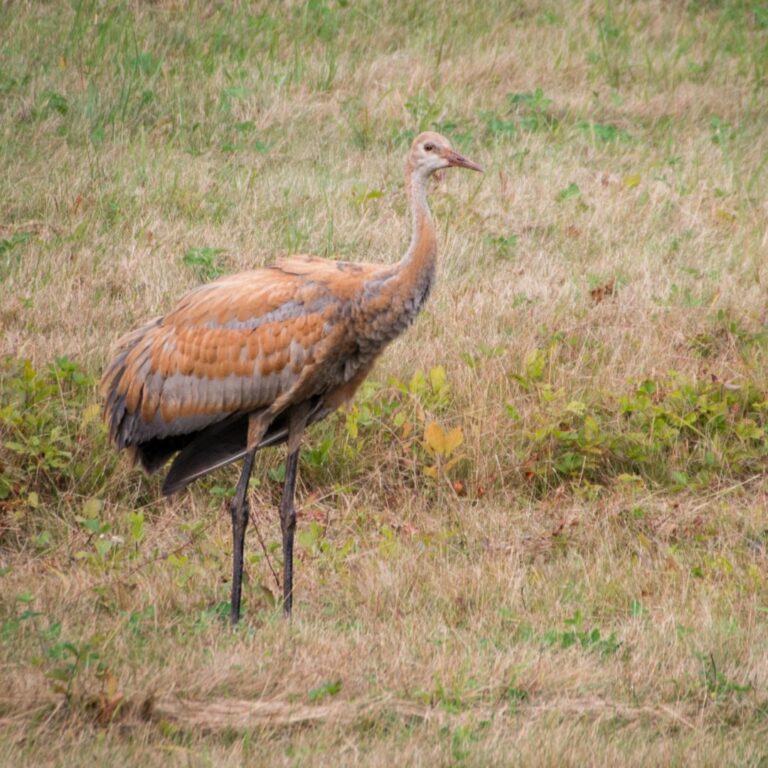
In this episode, Pepin concludes reading an essay by Sandra Mitchell, reflecting on nesting behavior, chick rearing, and her hopes for the future of a growing Sandhill Crane population in Maine.
In this episode, Pepin concludes reading an essay by Sandra Mitchell, reflecting on nesting behavior, chick rearing, and her hopes for the future of a growing Sandhill Crane population in Maine.
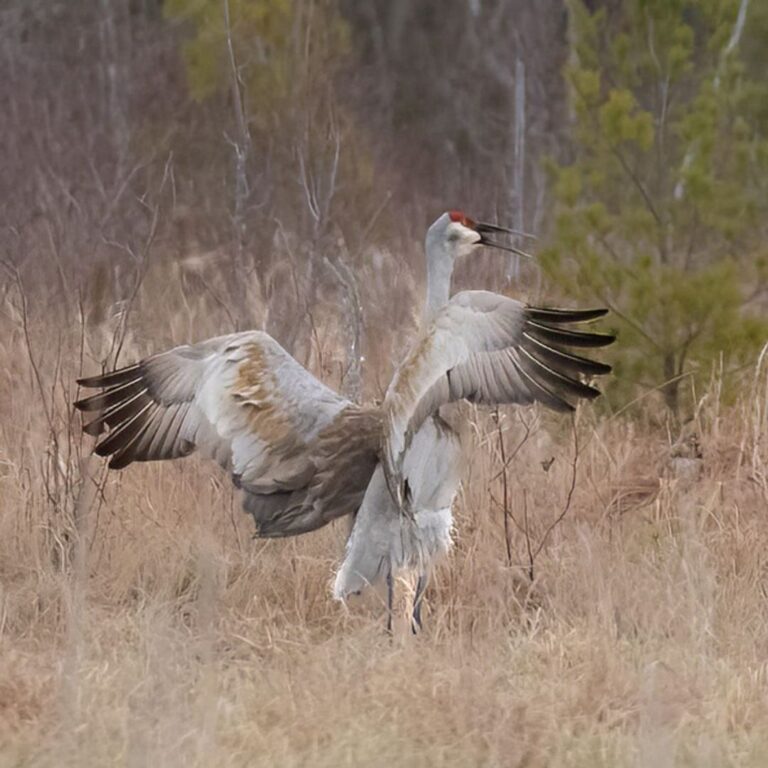
In this episode, Pepin continues reading an essay by Sandra Mitchell, describing the breeding biology and spectacular courtship dances of Sandhill Cranes while following a nesting pair through the spring breeding season.
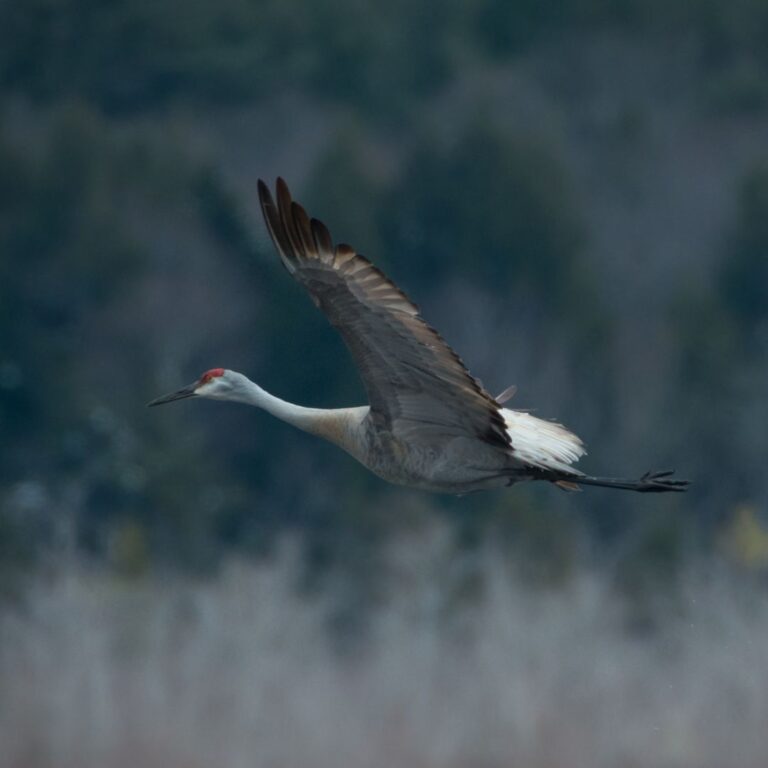
In this episode, Pepin reads an essay by Sandra Mitchell, recounting her first encounter with Sandhill Cranes in a Maine marsh and exploring the remarkable appearance, history, and recovery of this once-rare breeding bird in the state.
16 June 2026
by Logan Parker
In this episode, Celeste reads an essay by Rob Speirs exploring whether the apparent increase of rare birds in Maine reflects real change or simply more observers equipped with better tools. From early phone trees to modern platforms like Cornell Lab of Ornithology’s eBird and Merlin apps, he traces how advances in communication and technology, combined with a growing and increasingly skilled birding community, have transformed the detection and documentation of avian rarities.
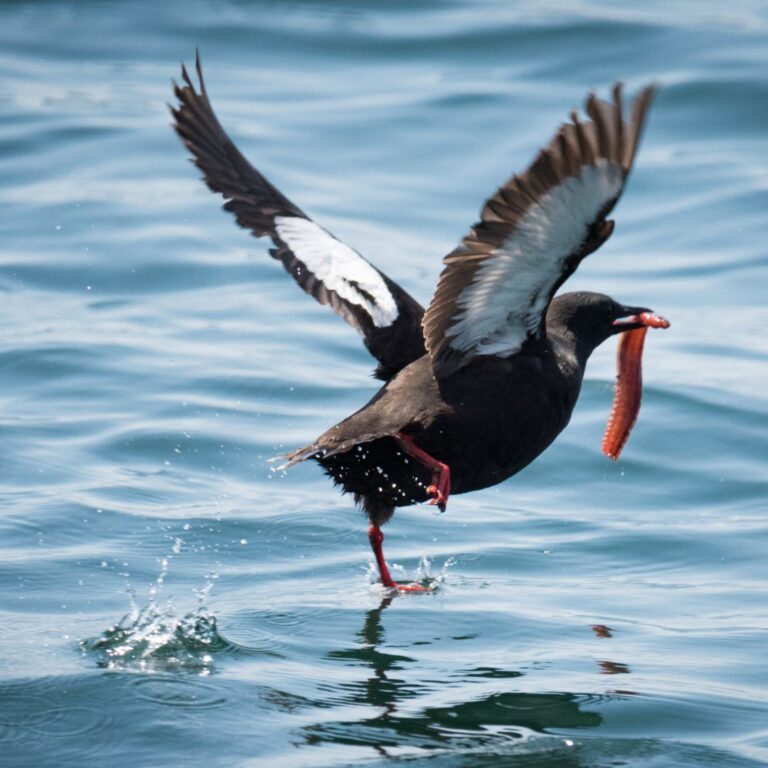
A member of the Alcid family along with Murres, Auks, and Puffins, Black Guillemots nest in rocky burrows in coastal Maine. About this project Although anecdotal evidence suggests that Black Guillemot numbers have been declining on the coast of Maine,…
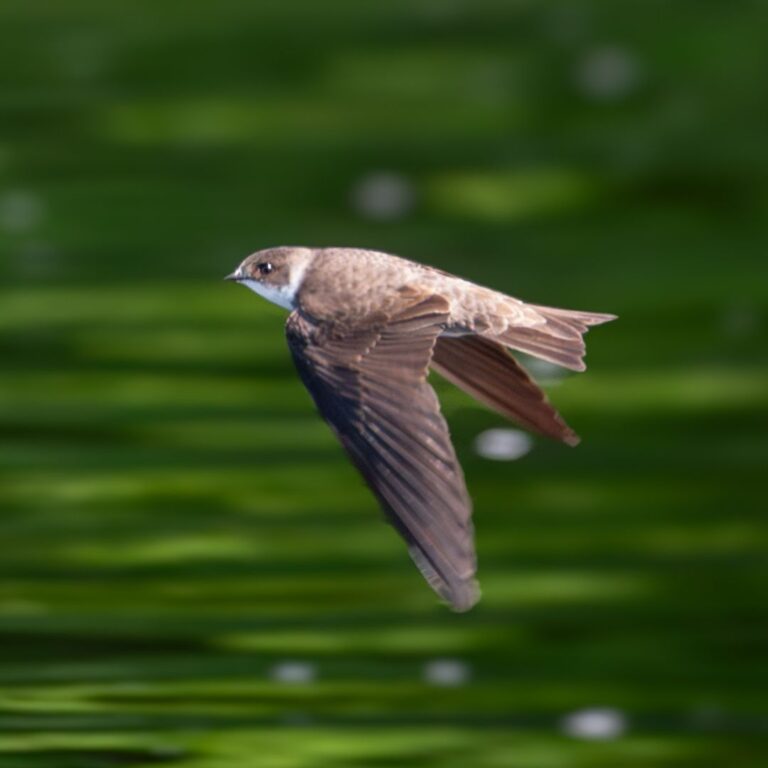
MNHO is excited to announce the launch of a new research project: the Maine Riparian Swallow Survey. The primary focus of this effort will be to document Bank Swallow distribution, abundance, and habitat use along Maine’s waterways. Beginning in 2026,…
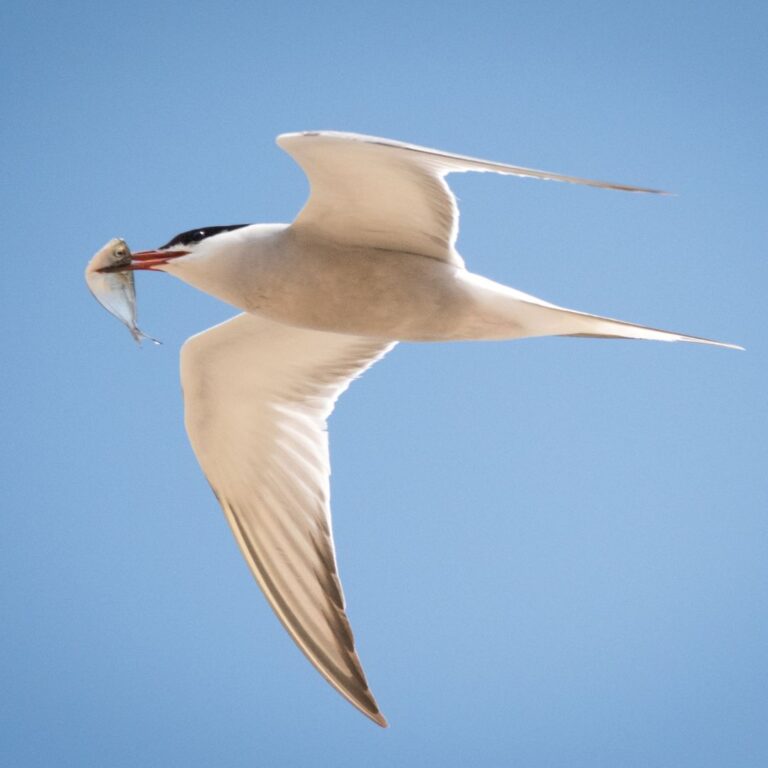
Seabird biologists are increasingly concerned that growing mink and otter populations may be negatively affecting where seabirds can successfully nest along Maine’s coast. To better understand this, MNHO is starting a camera tracking project to document where and how frequently…
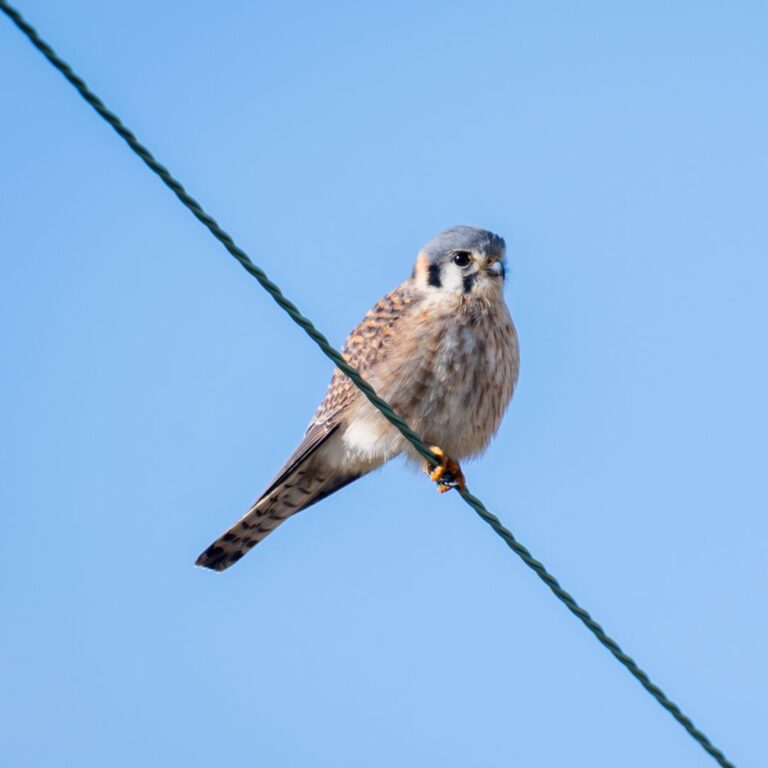
In his 1949 book, Maine Birds, biologist Ralph S. Palmer described the American Kestrel— then called the “Northern Sparrow Hawk”—as “common throughout” the state and “the second hawk in [terms] of numbers.” While kestrels can still be spotted on power…
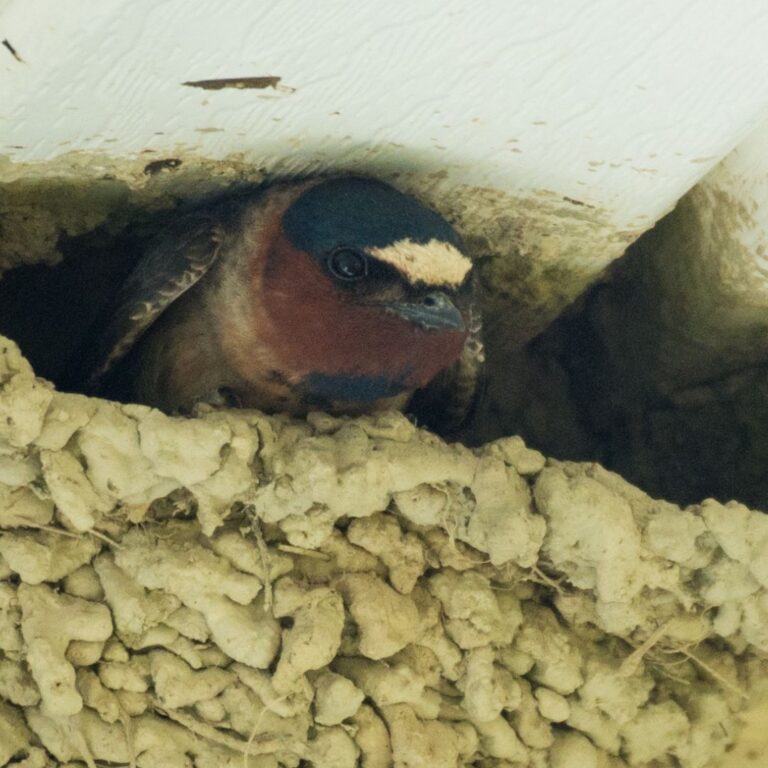
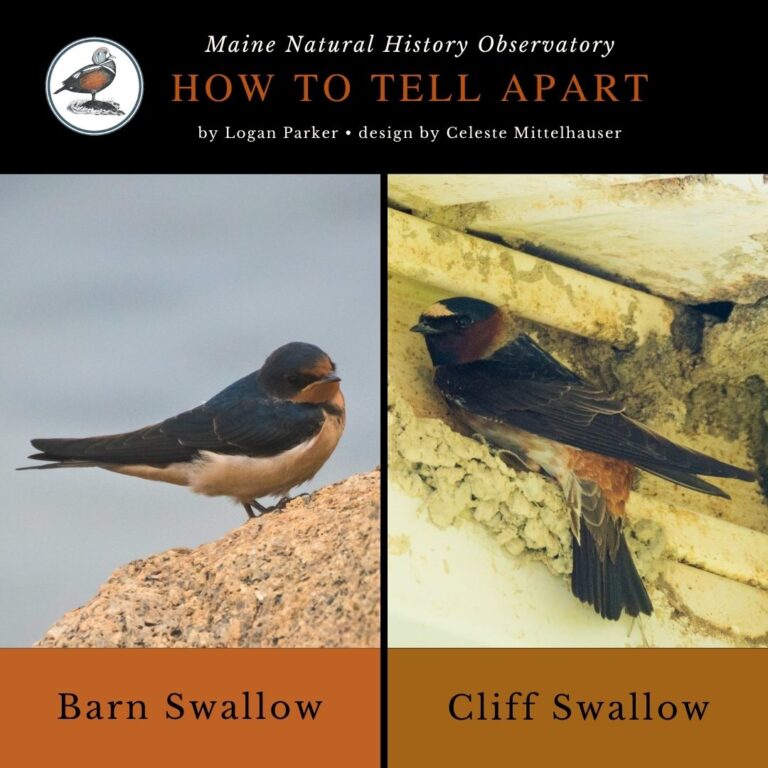
Recent information suggests that Cliff Swallows are decreasing in Maine. Consequently, Cliff Swallows are listed as Species of Greatest Conservation Need in the Maine Wildlife Action Plan. Although likely due to a culmination of many issues, the loss of nest…
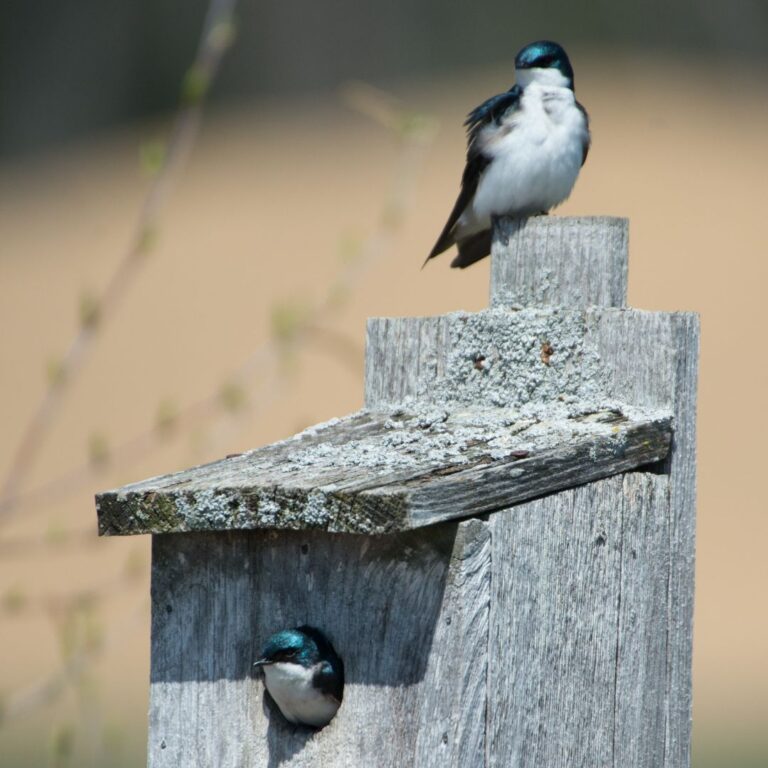
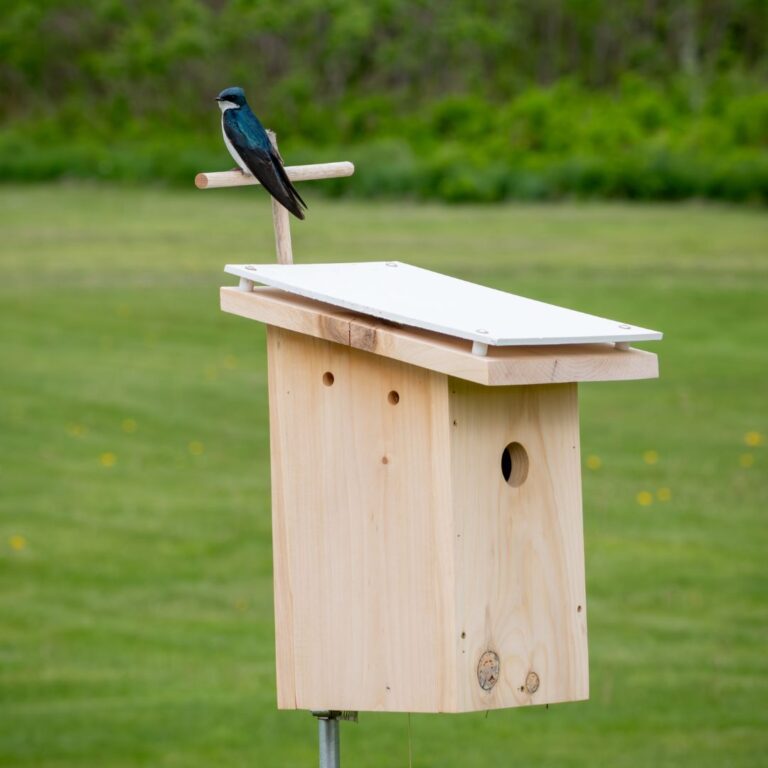
Like many other aerial insectivorous birds, Tree Swallows are declining throughout their northeastern breeding range. While still widespread in Maine, Breeding Bird Survey data indicate Tree Swallow populations declined by ≈88% between 1966 and 2019. Because of this, they are…
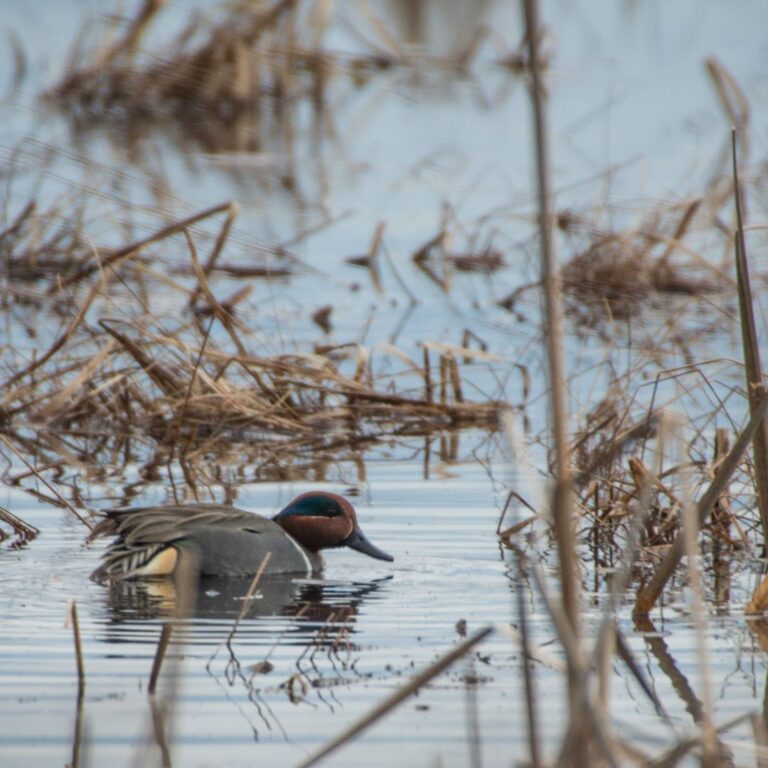
Glen continues his conversation with Rich MacDonald of the Natural History Center during a winter walk in Acadia National Park, exploring how birds quickly take advantage of temporary habitats created by disturbance. Drawing on examples from Maine and beyond, Rich describes how sudden changes, such as flooded forests and exposed mudflats, can attract unexpected concentrations of waterfowl and shorebirds, raising questions about how birds detect and respond to these short-lived opportunities in a constantly changing landscape.
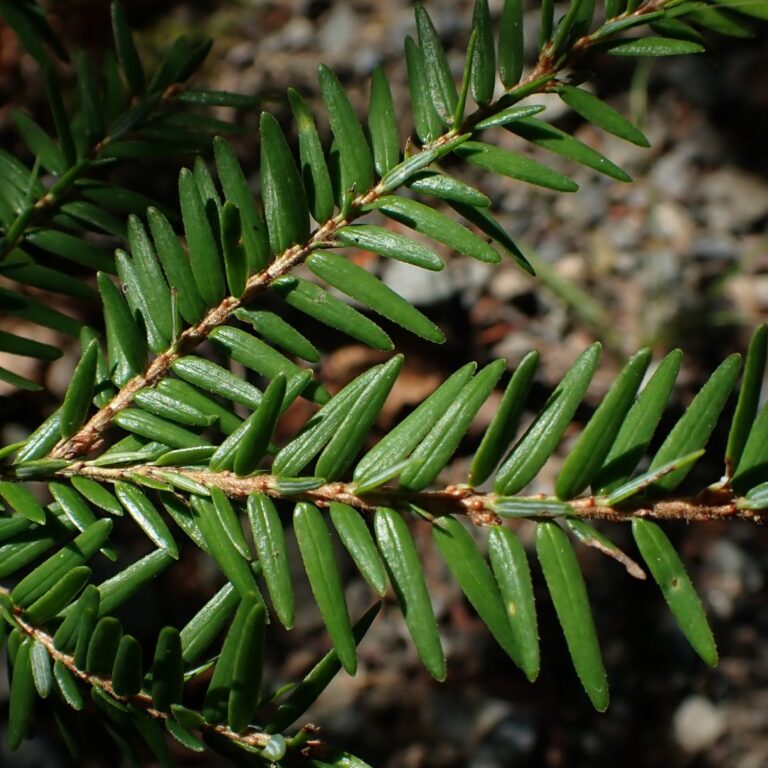
Glen joins Rich MacDonald of the Natural History Center for a winter walk along the Hemlock Trail in Acadia National Park, where a familiar path reveals change from week to week and season to season. As they move through the snow-covered woods, they reflect on shifting bird communities, the subtle but telling signs of seasonal transitions and the nesting behavior of Maine owls.
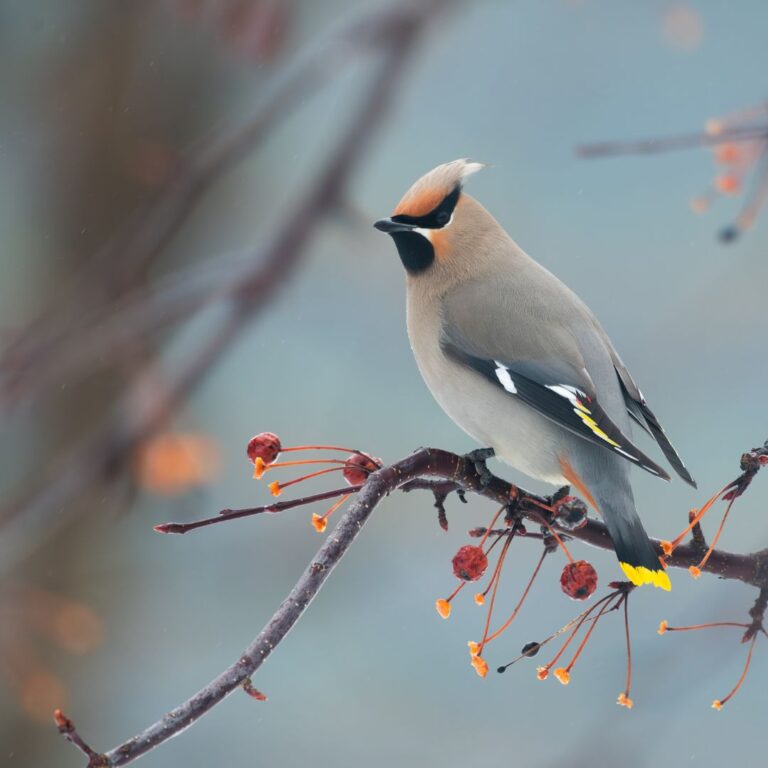
In this episode, Logan explores the winter irruption of Bohemian Waxwings into Maine, where flocks descend from boreal breeding grounds in search of lingering fruits such as crabapples and mountain ash. He describes their gregarious behavior, fruit-based courtship rituals, and surprising presence in towns and cities, reminding us that even in winter’s apparent scarcity, the landscape still holds abundance.
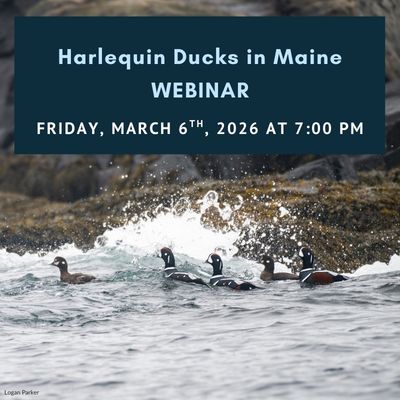
Friday, March 6th, 2026 at 7:00pm with Glen Mittelhauser
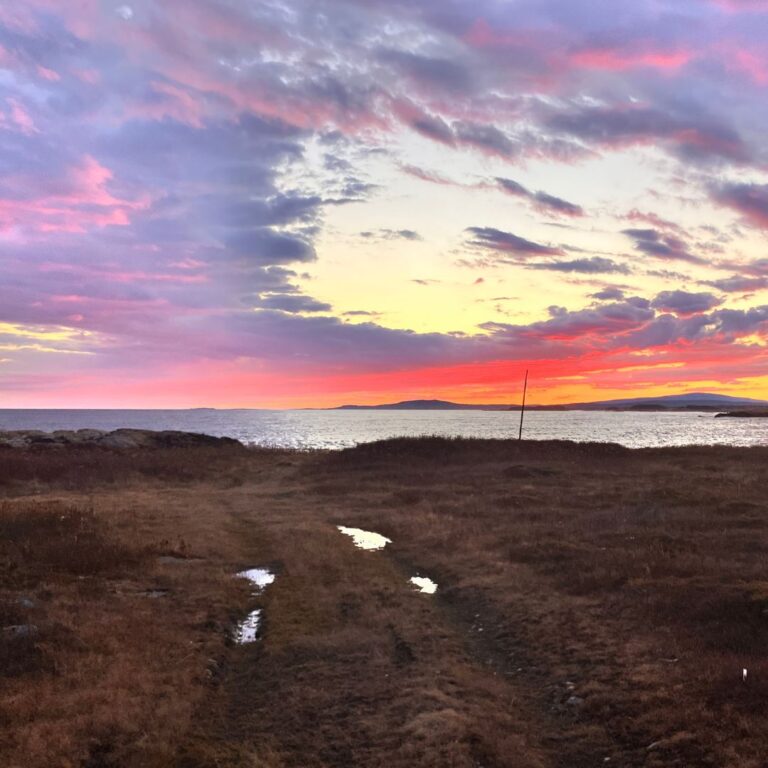
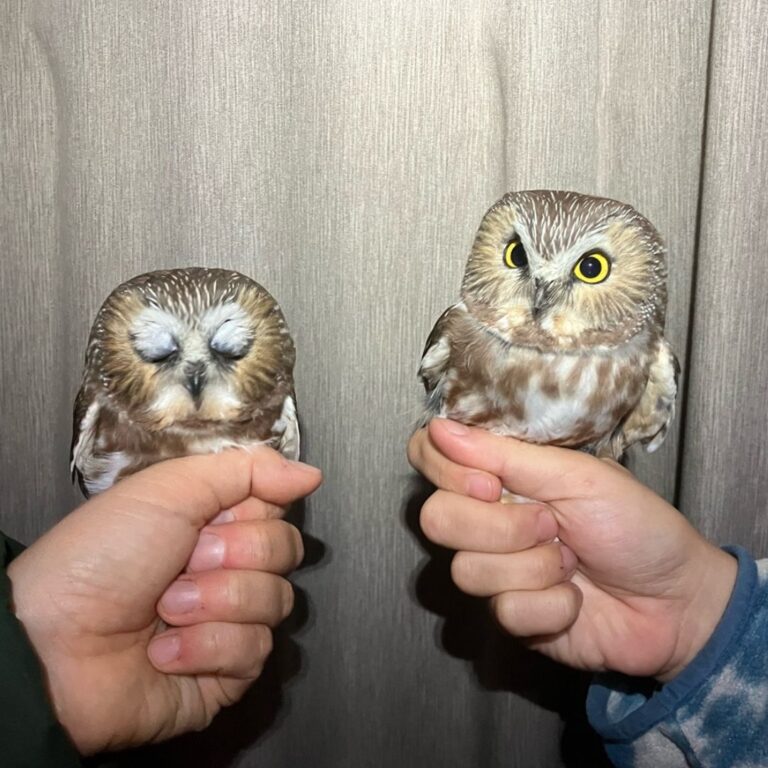
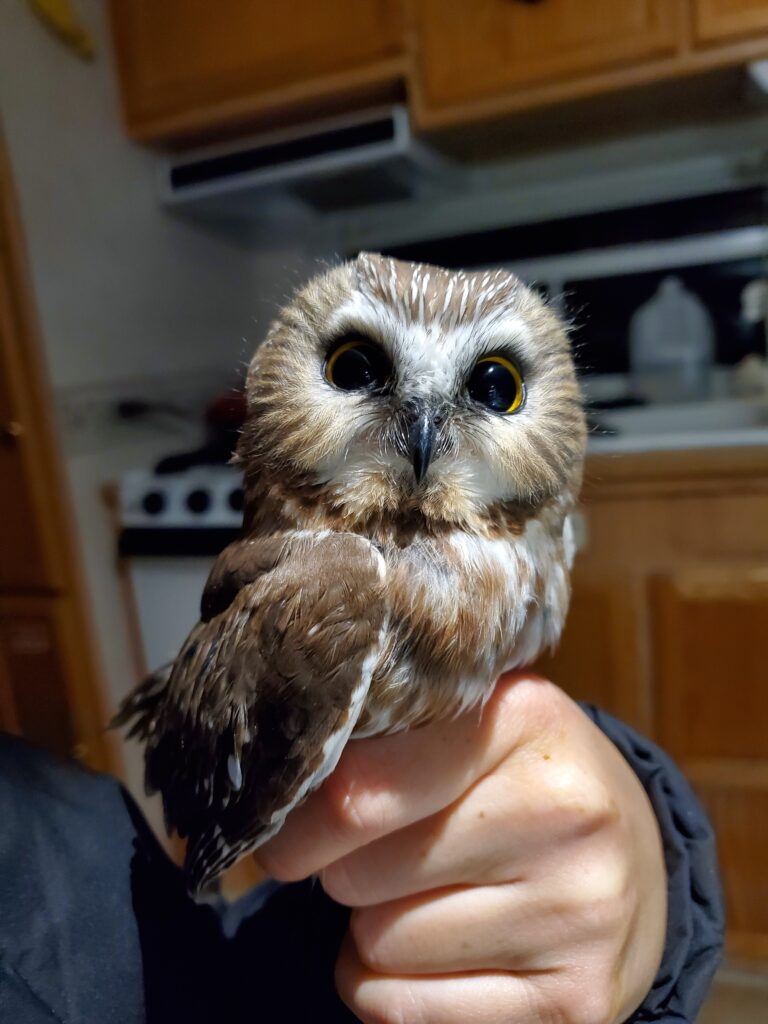
In this episode, Tracy and Coco Faber explain why Petit Manan Point, despite its sparse vegetation, is an effective place to band migrating Northern Saw-whet Owls. They discuss how coastal landscapes funnel migrants, why most Saw-whets they capture are females, and how cone-mast cycles drive dramatic swings in owl numbers from year to year.
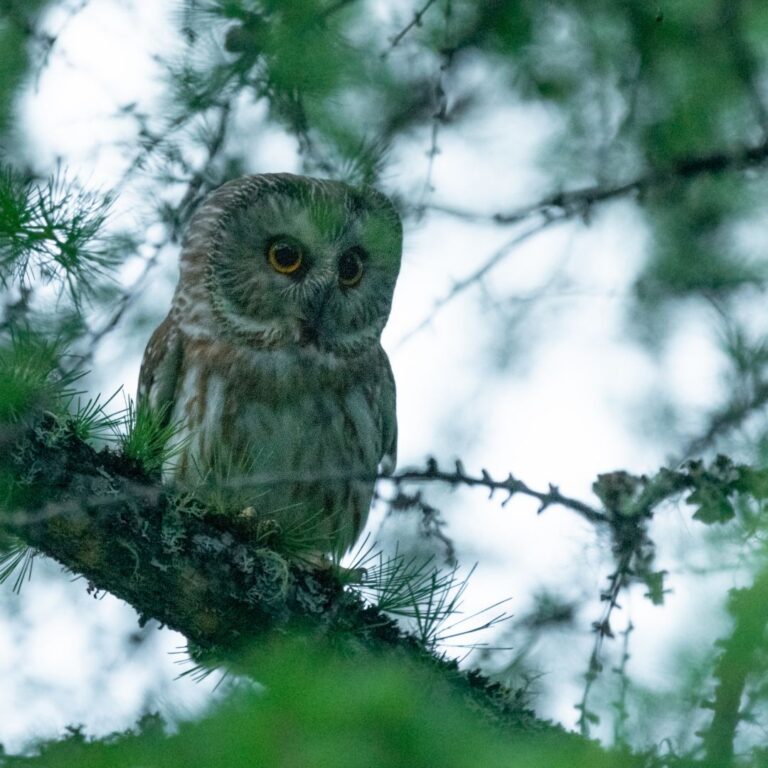
This episode features sisters Tracy and Coco Faber, who spend their nights banding migrating Northern Saw-whet Owls at Petit Manan Point. They describe how mist nets and audio lures help capture these tiny, nocturnal migrants and how recent banding efforts have revealed the species to be far more abundant than once believed.
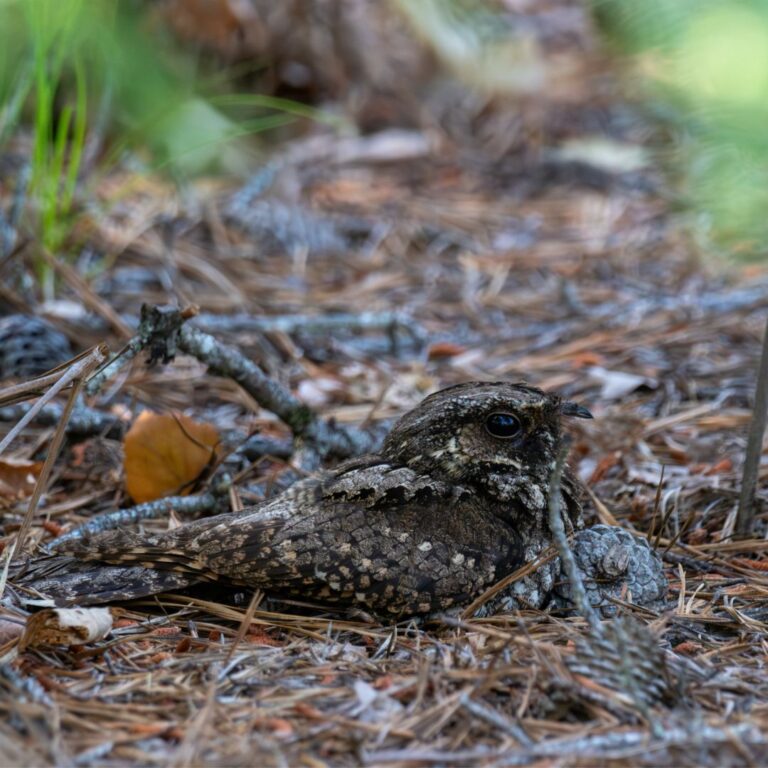
In this episode, Logan shares nighttime experiences studying whip-poor-wills in Maine’s barrens, describing the shifting soundscape, dense scrub oak nesting sites, and the remarkable protection these habitats offer to ground-nesting nightjars. He also highlights other rare wildlife that depend on these young forests, from Black Racers to New England Cottontails, underscoring the importance of conserving these resilient but vulnerable landscapes.
November 2025
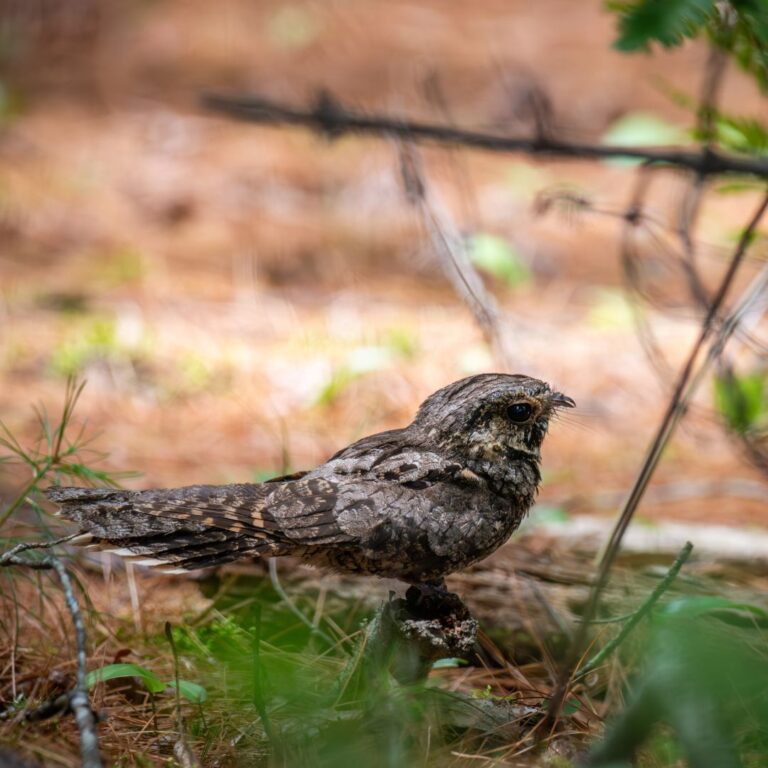
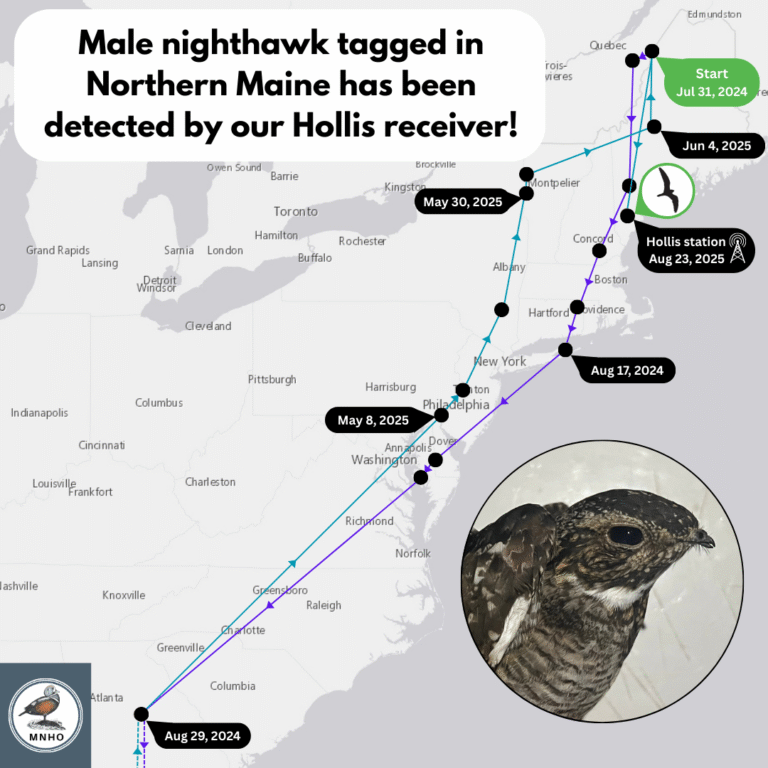
An interactive map to explore the movements of MNHO's featured nanotagged Whip-poor-wills.
24 October 2025
Elliot, an ecologist at Maine Natural History Observatory, discusses his work on purple sandpipers, island songbirds, and upcoming research on mammals and Black Guillemots. He also reflects on his path into field biology, from backyard bird feeders to graduate school at the University of Maine, and shares his perspective on Maine’s islands as unique self-contained ecosystems with rich opportunities for future research.
13 October 2025
3 October 2025
September 2025
August 2025
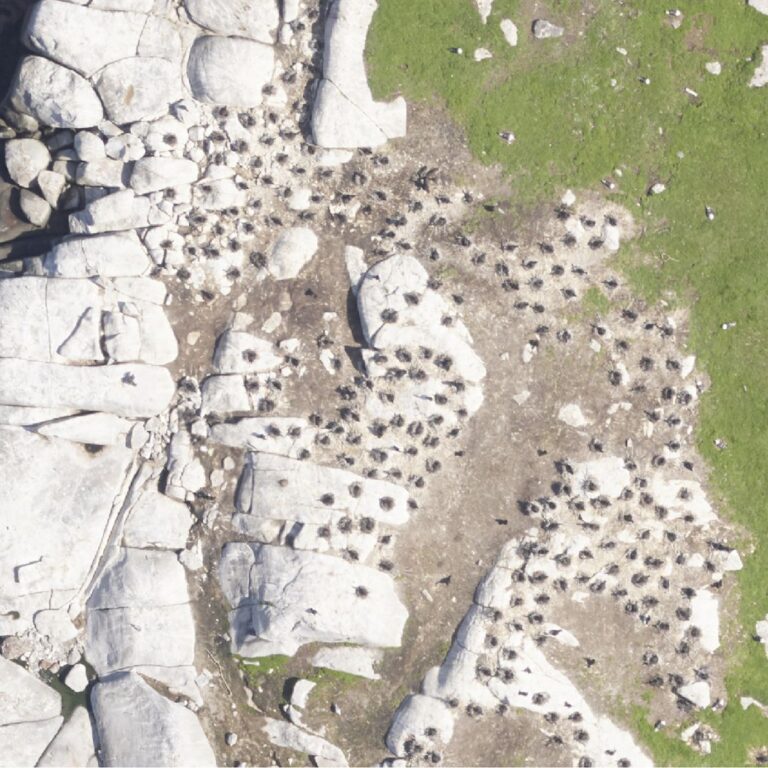
This episode takes listeners to a bustling gull and cormorant colony on Garden Island near the Mussel Ridge Channel, where the air is filled with noise, movement, and the pungent scent of seabird guano. Glen describes colony counts using aerial imagery and the ingenious ways cormorants keep cool on hot days, blending science with the sensory details of a summer visit.
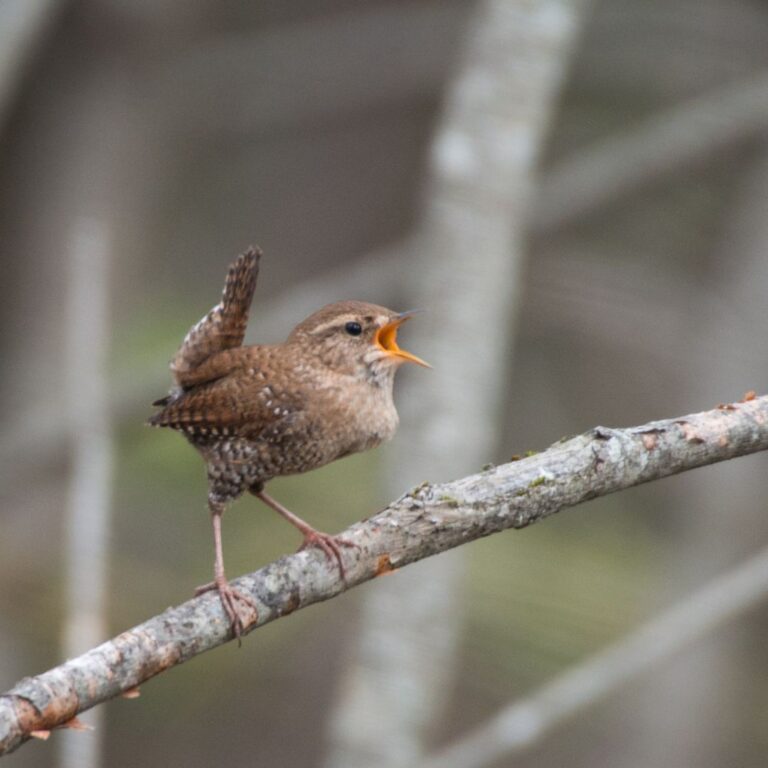
This episode follows one naturalist’s decades-long quest to see the elusive Winter Wren, from first hearing its song in the Maine North Woods to the long summer mornings spent waiting for a glimpse in a damp forest swale. Written by Janet Galle, this essay was originally published in The Observer, an online natural history journal from Maine Natural History Observatory.
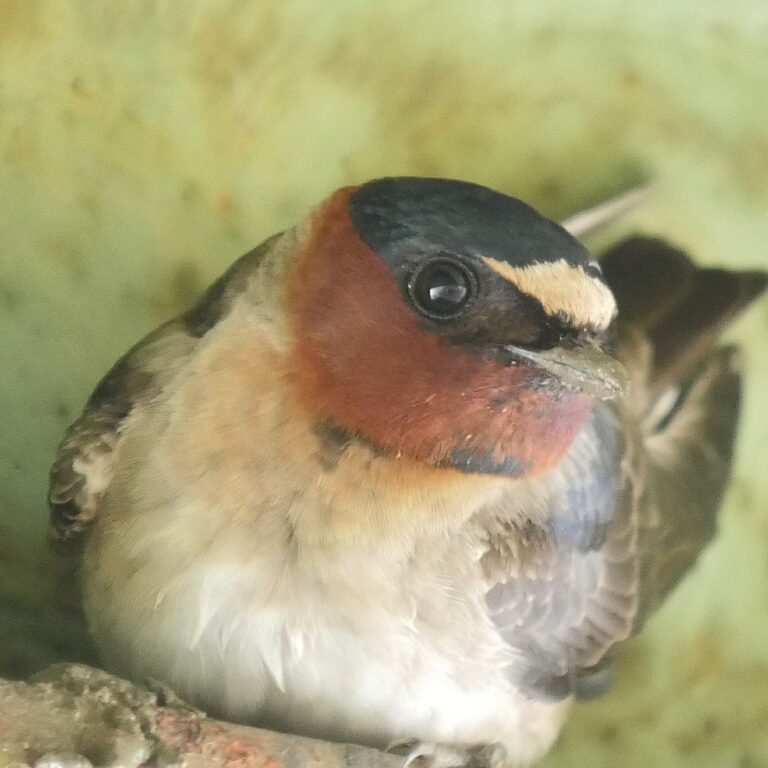
This episode tells the story of one biologist’s journey into Cliff Swallow conservation, from rescuing fallen nestlings to developing management techniques that help colonies rebound in the face of habitat loss and invasive species. This essay, written by Mara Silver and read by Pepin Mittelhauser, was originally published in The Observer, an online natural history journal published by Maine Natural History Observatory.
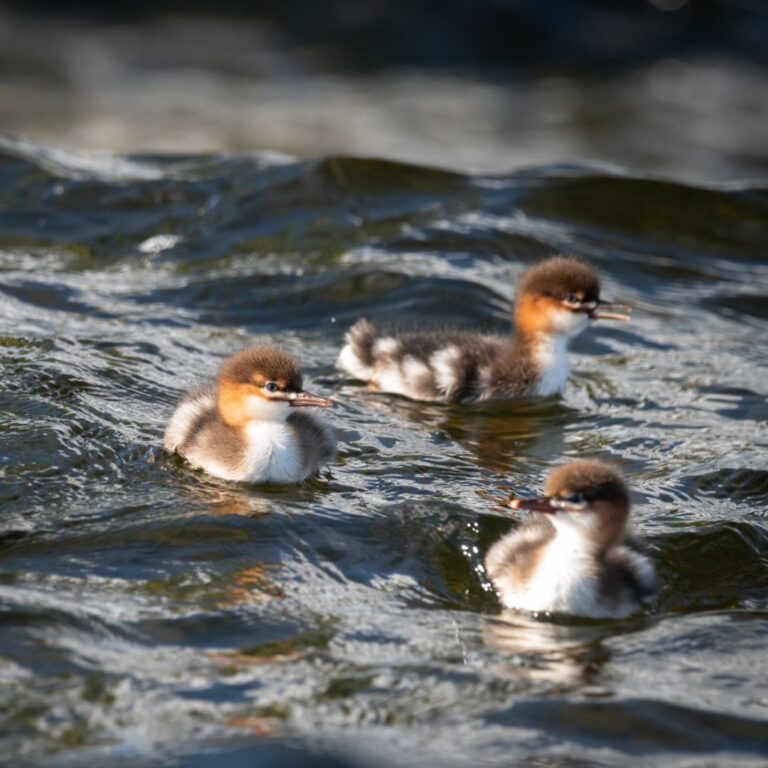
After being temporarily stranded across Moosehead Lake's Northwest Cove, Logan set out to Seboomook Island and the conclusion of his multi-trip effort to document Red-breasted Merganser breeding in Maine.

The final opportunity to document breeding Red-breasted Mergansers arrives, but events take an unexpected turn with the shifting of the wind.

The search for mergansers continues and leads to lake isles crowded with colony nesting birds on Maine's largest lake while subsequent efforts are dashed by fickle conditions.

A noteworthy observation on Moosehead Lake sparks a determined effort to document one of Maine's rarest breeding waterfowl.
June 2025
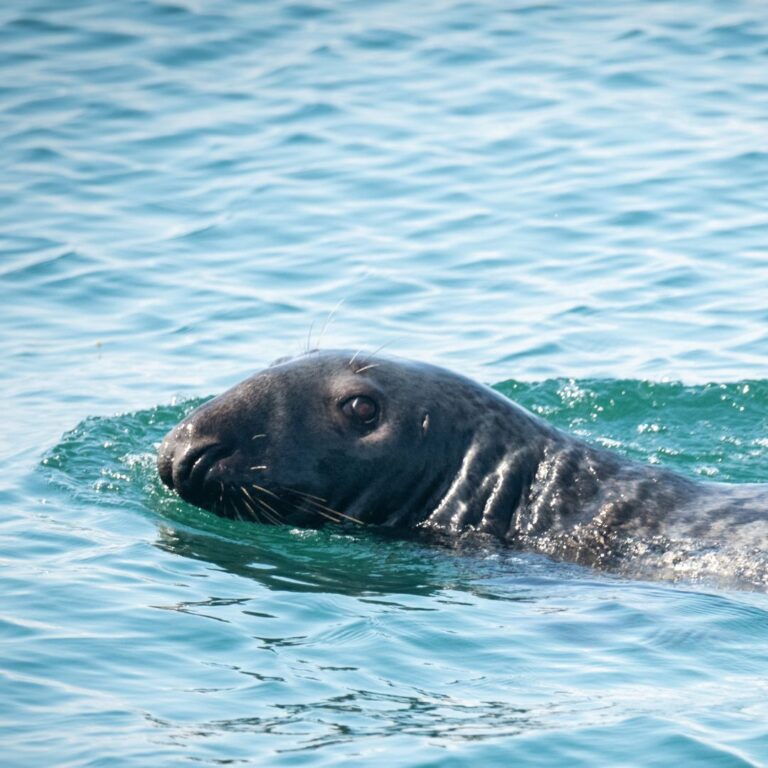
Glen talks with Megan about the changes that she has seen in the ecology of the Gulf of Maine area.
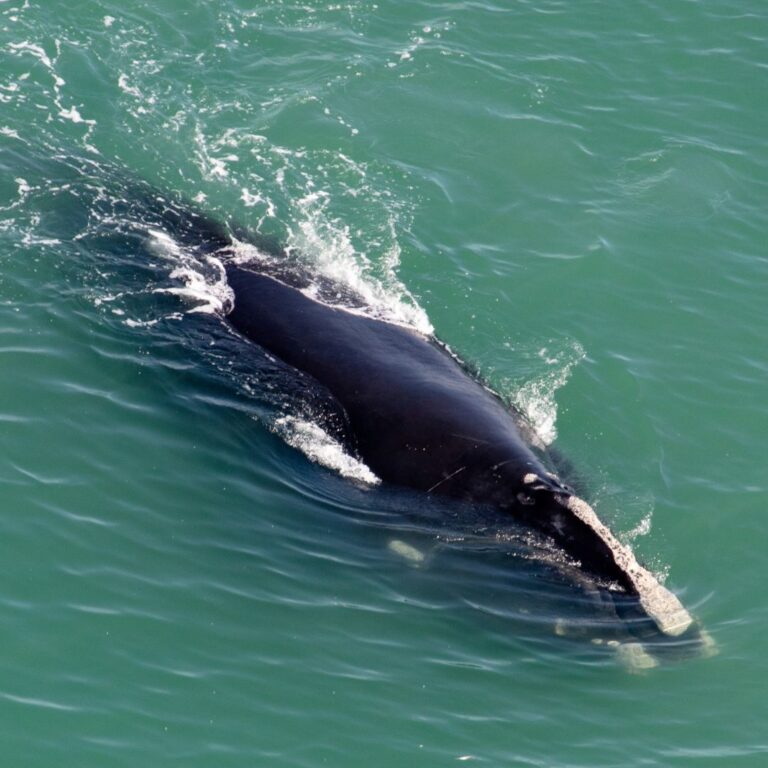
Glen talks with Megan about her work studying whales and their ecology.

Glen talks with Megan about her work as a natural history guide and researcher and becoming a teacher.
Glen talks with Megan about her interdisciplinary and immersive natural history education at College of the Atlantic.

Glen talks with Megan about how her childhood in Rhode Island nurtured her love of natural history and the importance of teaching natural history to everyone.
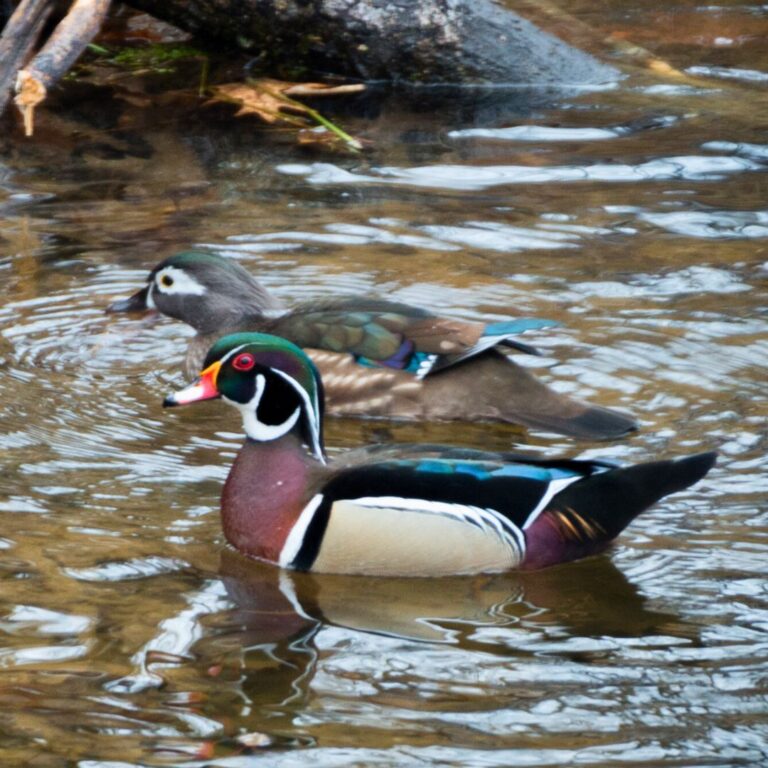
Glen walks a trail on Mount Desert Island with naturalist Rich MacDonald and they discuss Wood Ducks.

Glen walks a trail on Mount Desert Island with naturalist Rich MacDonald and they discuss woodpeckers.

Glen walks a trail on Mount Desert Island with naturalist Rich MacDonald and we talk about how he got started as a naturalist.

Glen walks a trail on Mount Desert Island with naturalist Rich MacDonald exploring the region’s diverse habitats and
discussing the area's unique ecology.

On a frigid January morning, Lewis Holmes explores a frozen Scarborough Marsh, encountering a variety of winter birds whose brief yet vibrant presence contrasts with the solitude and cold, evoking memories of the livelier summer months.
7 February 2025

9 January 2025

Is that truly a hawk you hear? Learn the deceptive tactics jays employ to secure their share of the acorn crop.
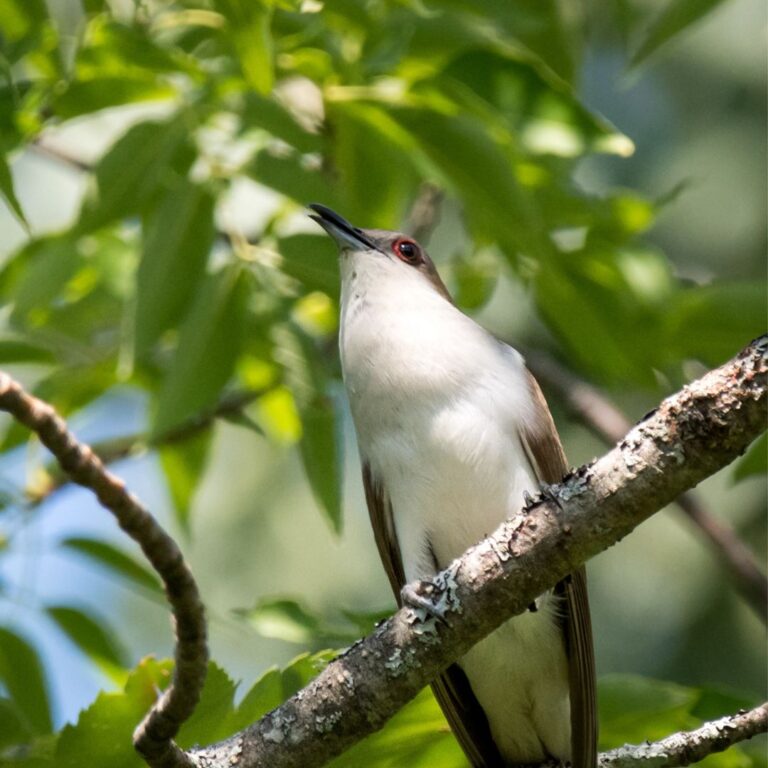
Maine’s cuckoos are among the most secretive birds to breed within our woodlands. Here we explore their fascinating natural history through the lens of field observations.
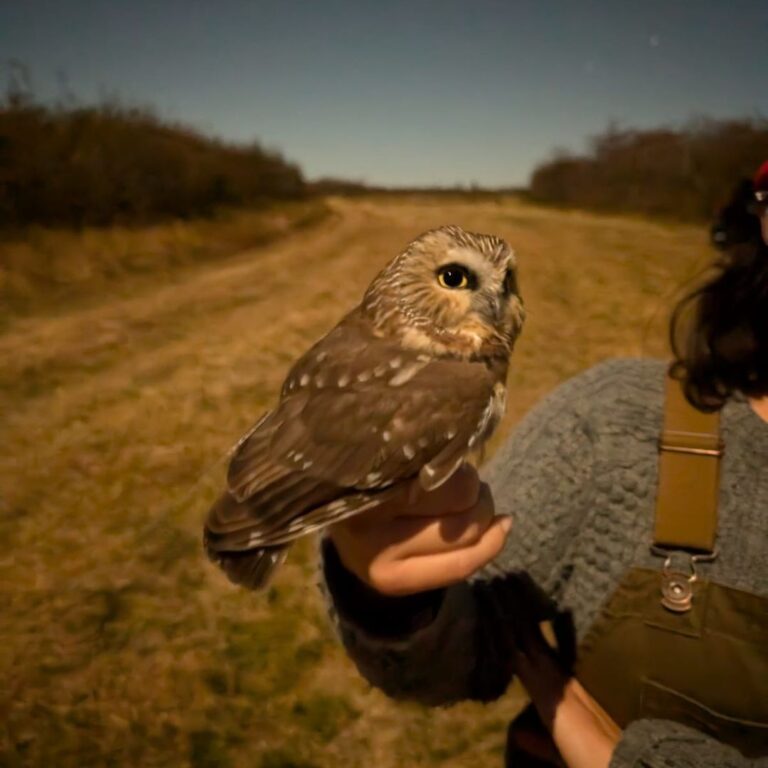
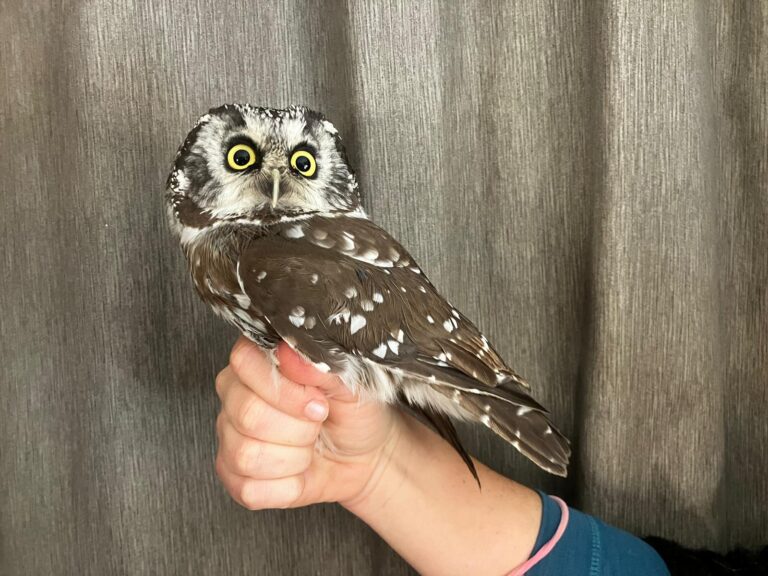
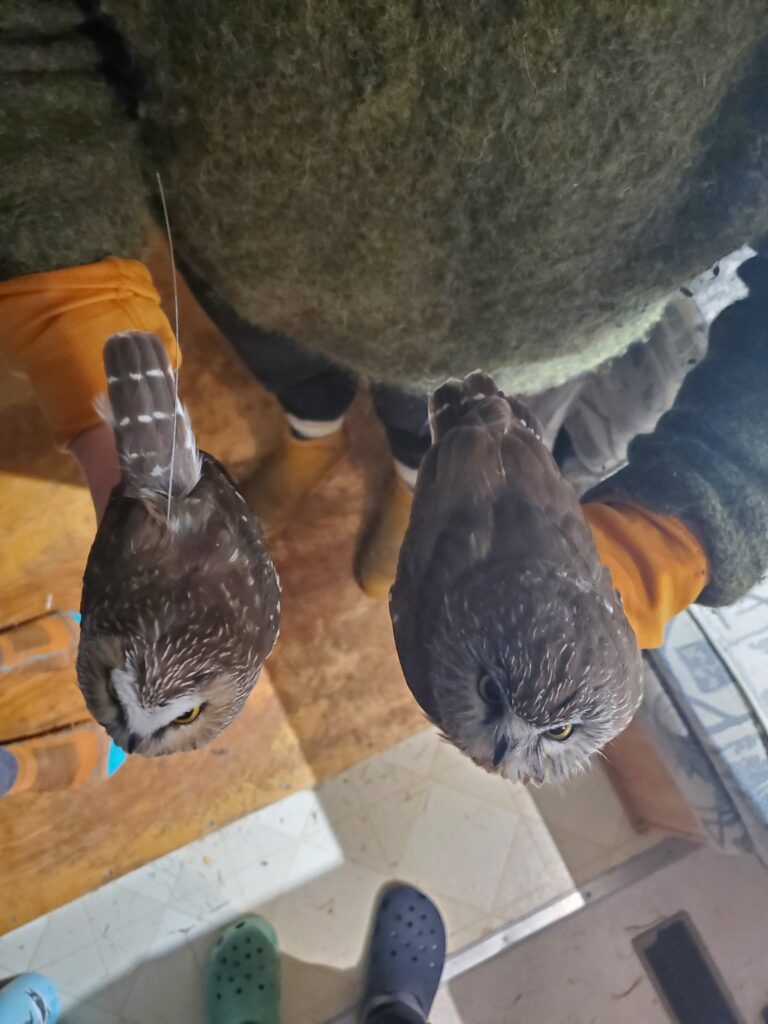
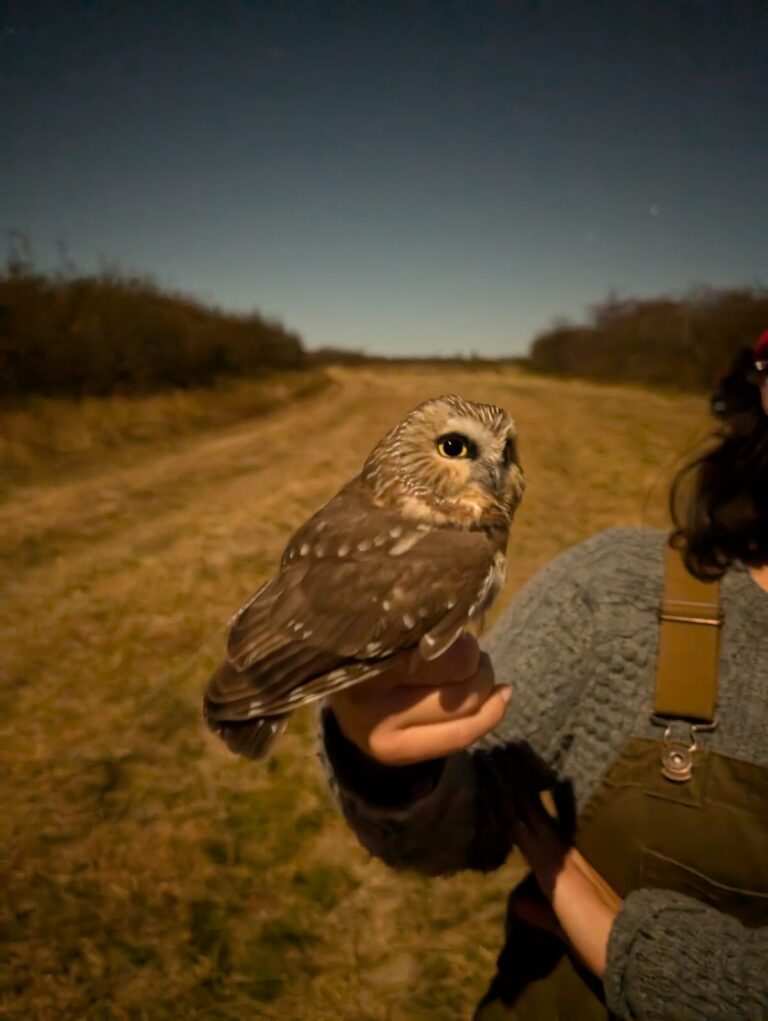
An interview with Juliana Ramirez, who works with Maine owls.
5 November 2024
28 October 2024
20 October 2024
12 October 2024
4 October 2024
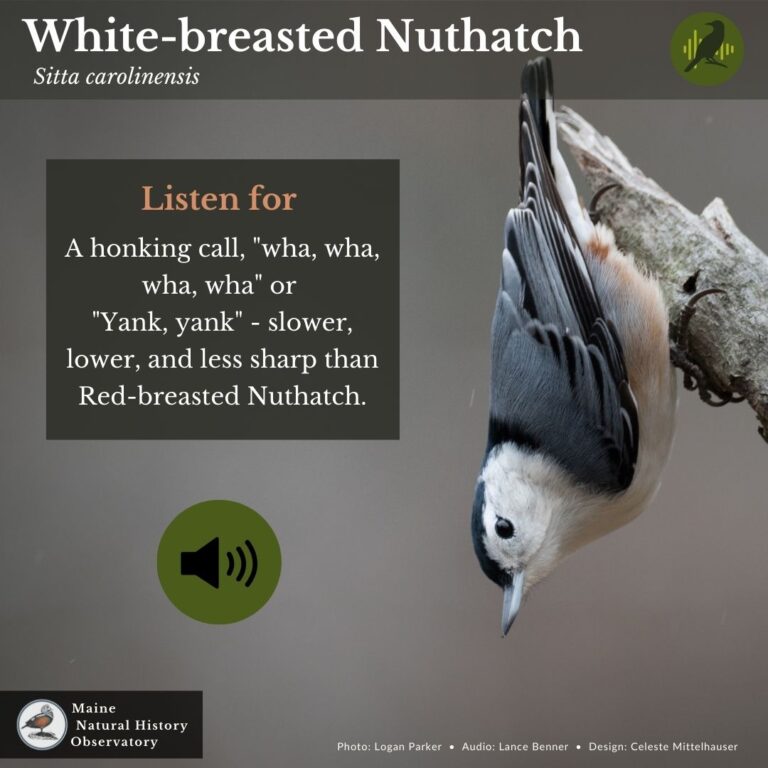
by Lance Benner and Logan Parker
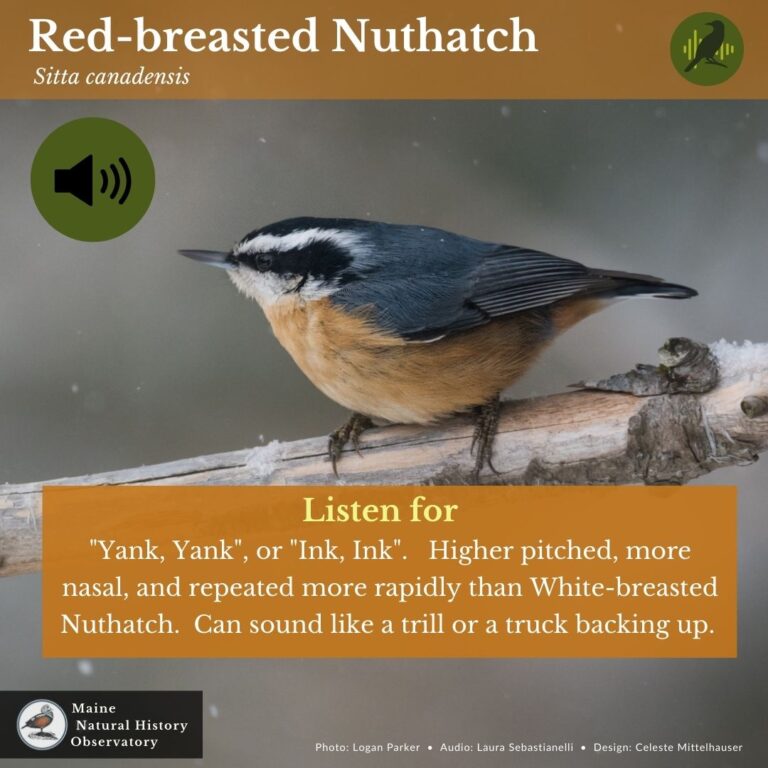
by Laura Sebastianelli and Logan Parker
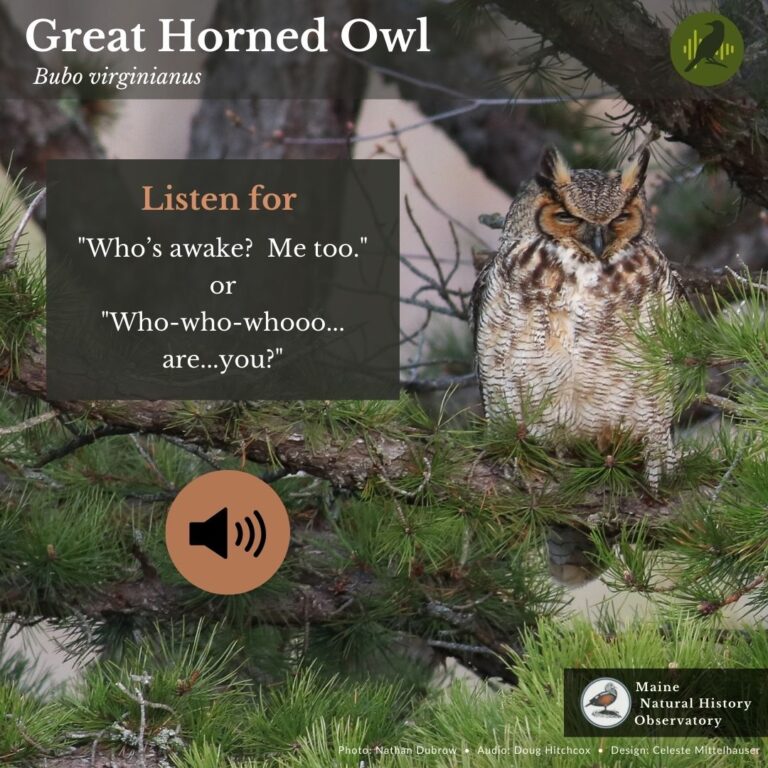
by Doug Hitchcox and Nathan Dubrow
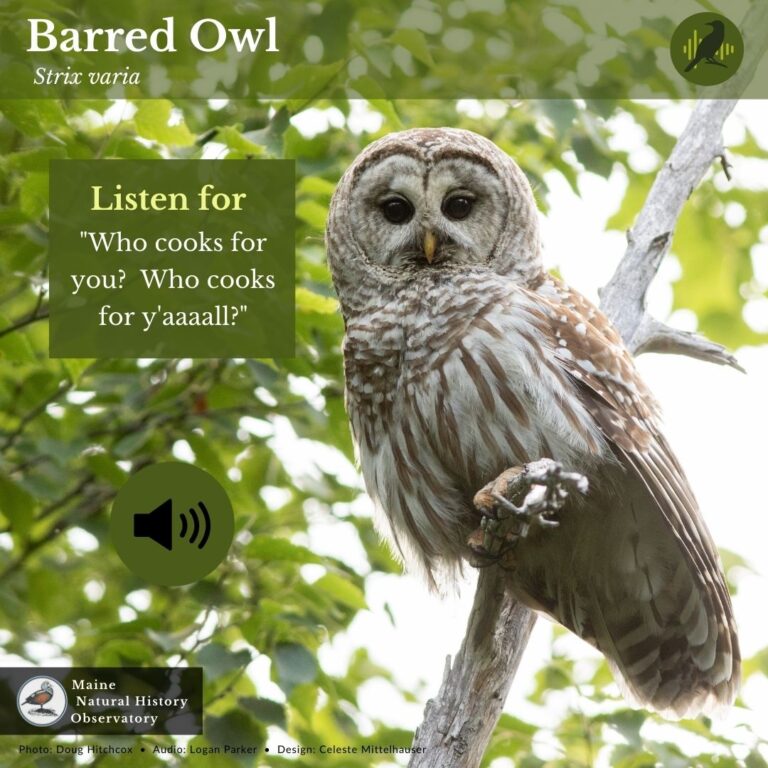
by Logan Parker and Doug Hitchcox
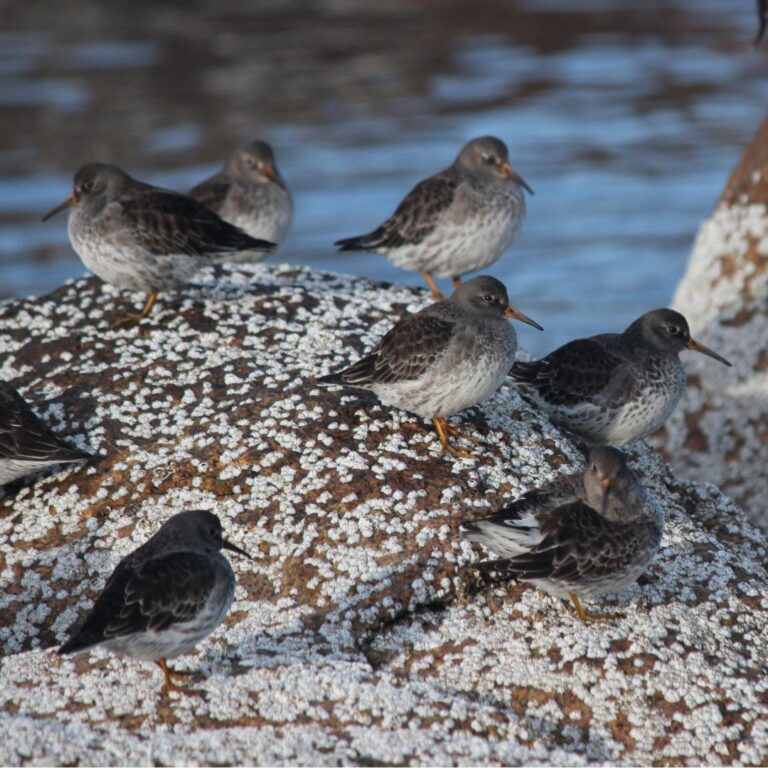
Repeating Historical Purple Sandpiper Surveys to Update Status of Overwintering Population In the early 2000s, Glen Mittelhauser and collaborators at the Maine Department of Inland Fisheries and Wildlife conducted the first systematic survey of coastal Maine to document the distribution…
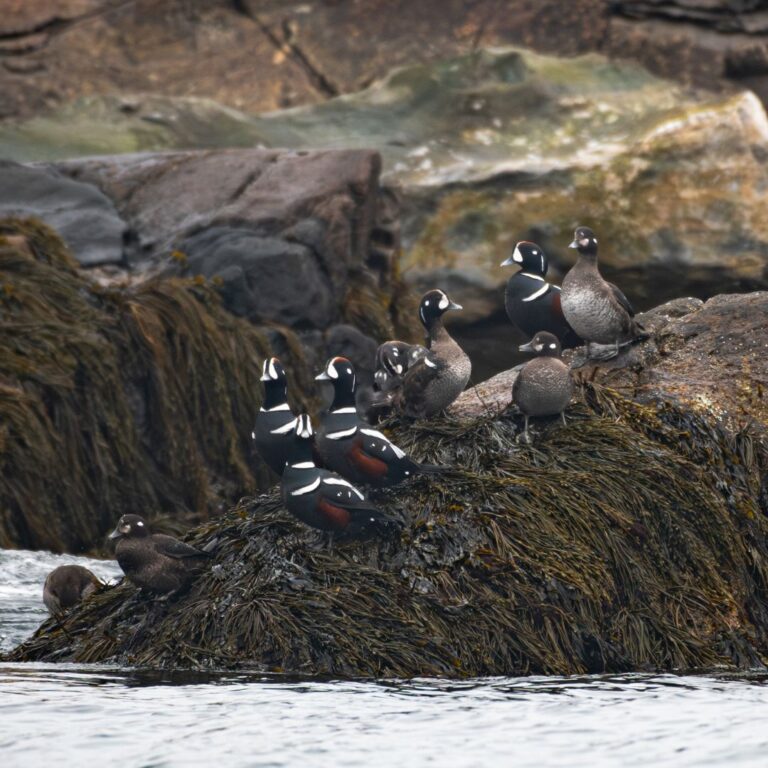
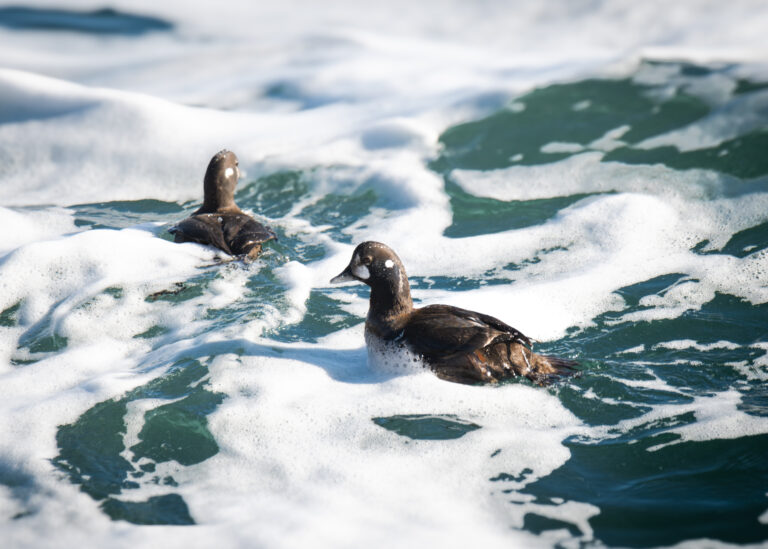
In the 1990s, research indicated that Jericho Bay was the single largest wintering location for Harlequin Ducks in Eastern North America, but the latest research suggests this is no longer the case.
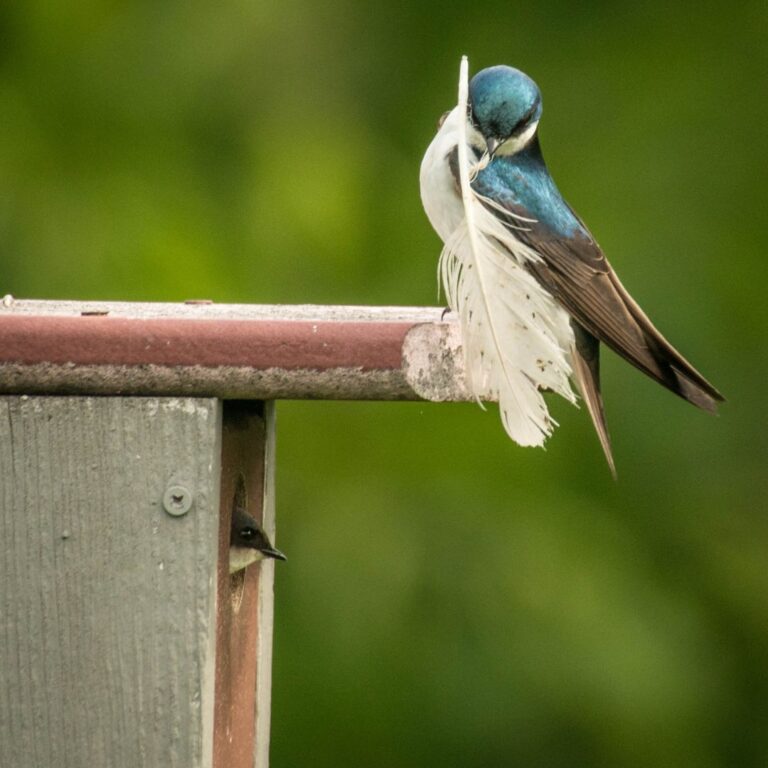
Monitor a Nest Box on your property! Each spring, Maine experiences an influx of hundreds of migratory breeding birds, many of whom utilize cavities for nesting sites. Our state, with its rich mosaic of different habitat types, provides suitable breeding…
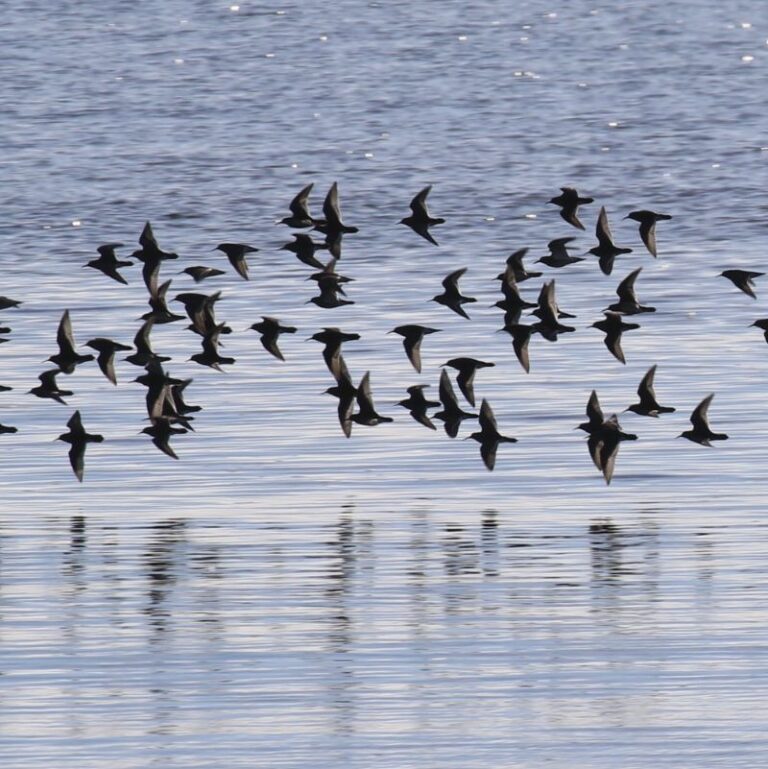
Wednesday, August 30, 2023 - 7:00pm with Elliot Johnston
Thursday, April 21, 2022 - 6:30pm
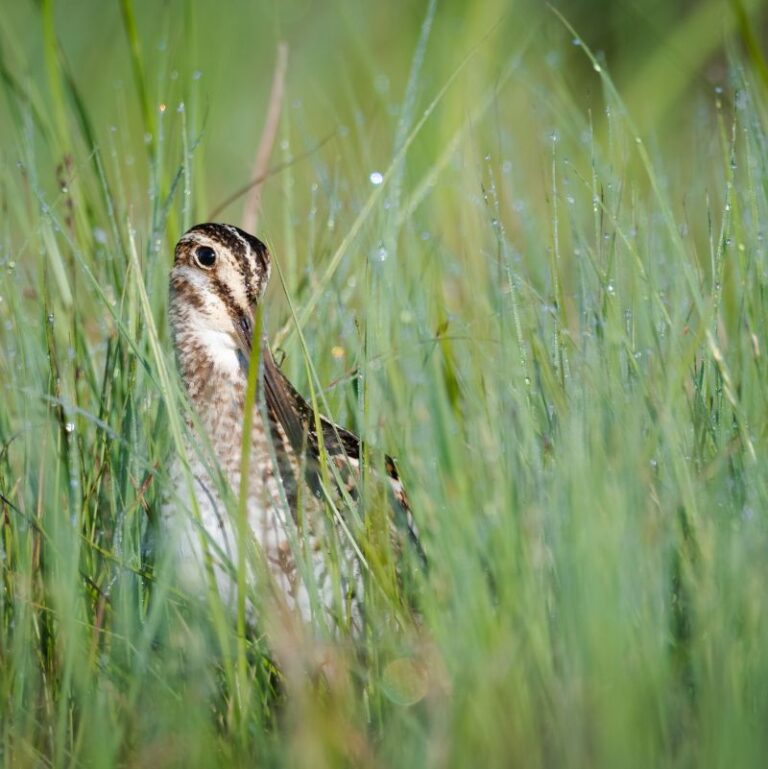
Wednesday, March 30, 2022 - 6:30pm with Danielle E. D'Auria
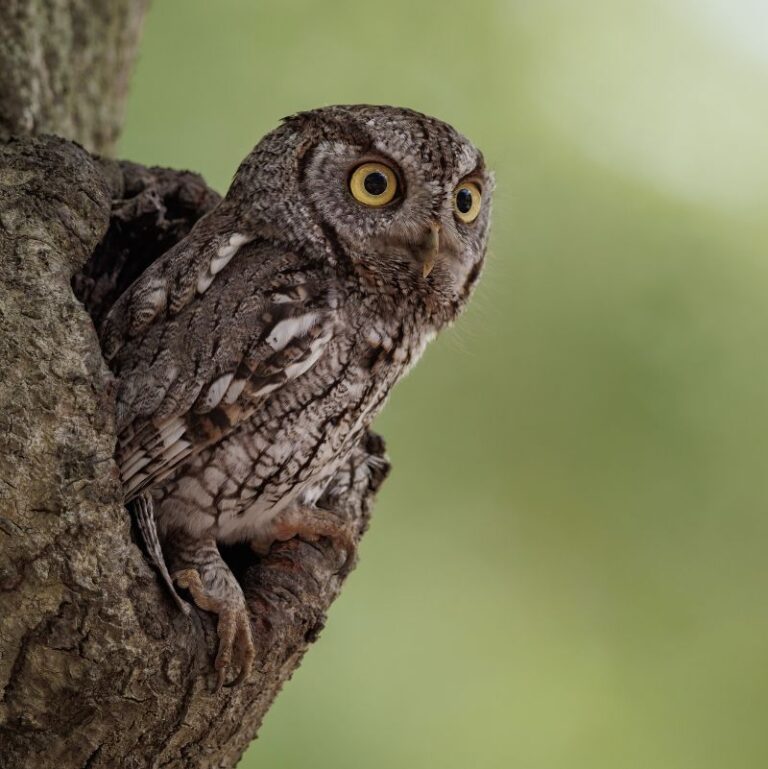
Wednesday, February 23, 2022 - 6:30pm with David Brinker and Logan Parker
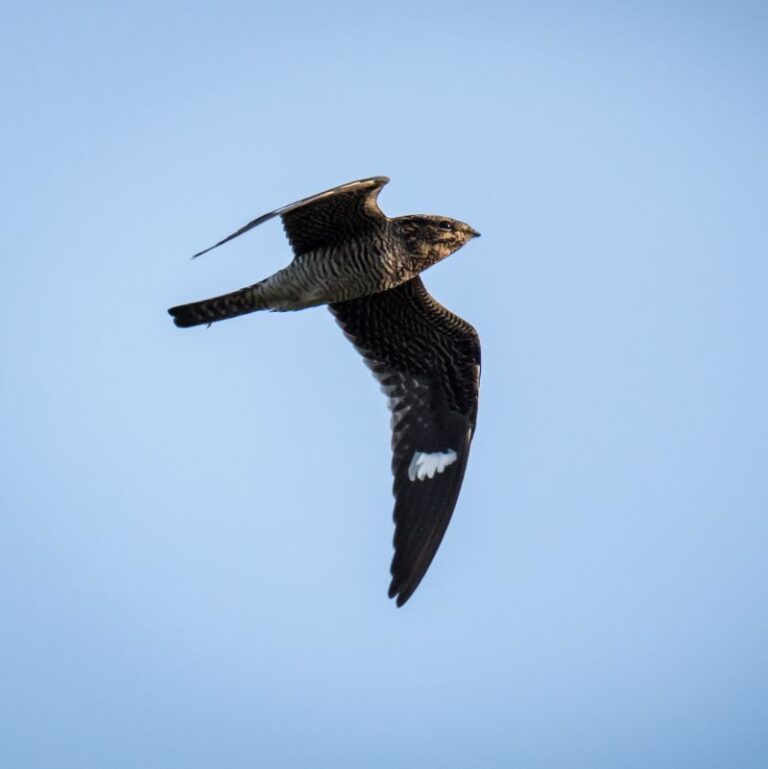
Wednesday, May 5, 2021 - 6:00pm with MNHO ecologist, Logan Parker
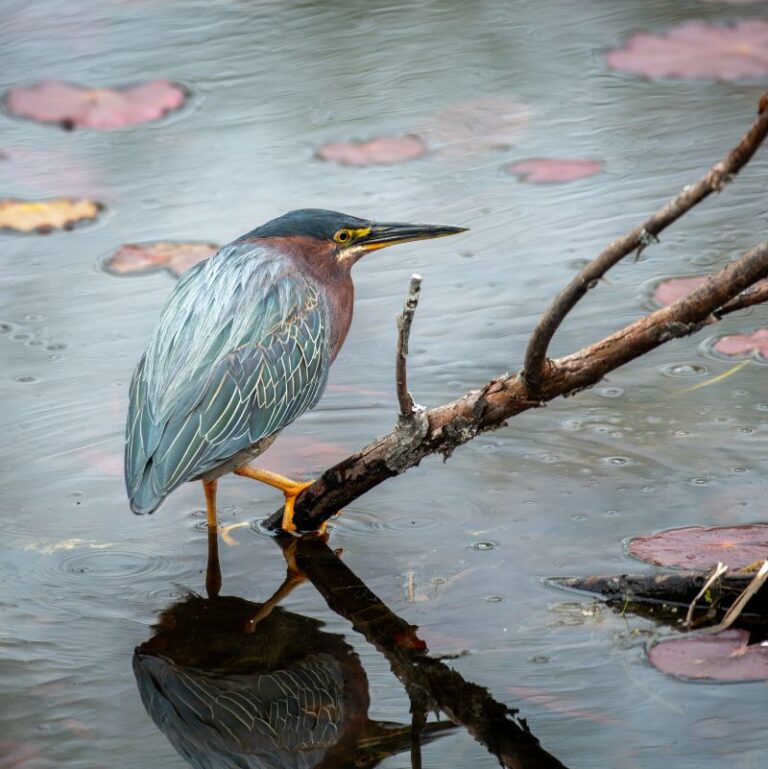
Thursday, April 15, 2021 at 6:00pm with MNHO ecologist, Logan Parker
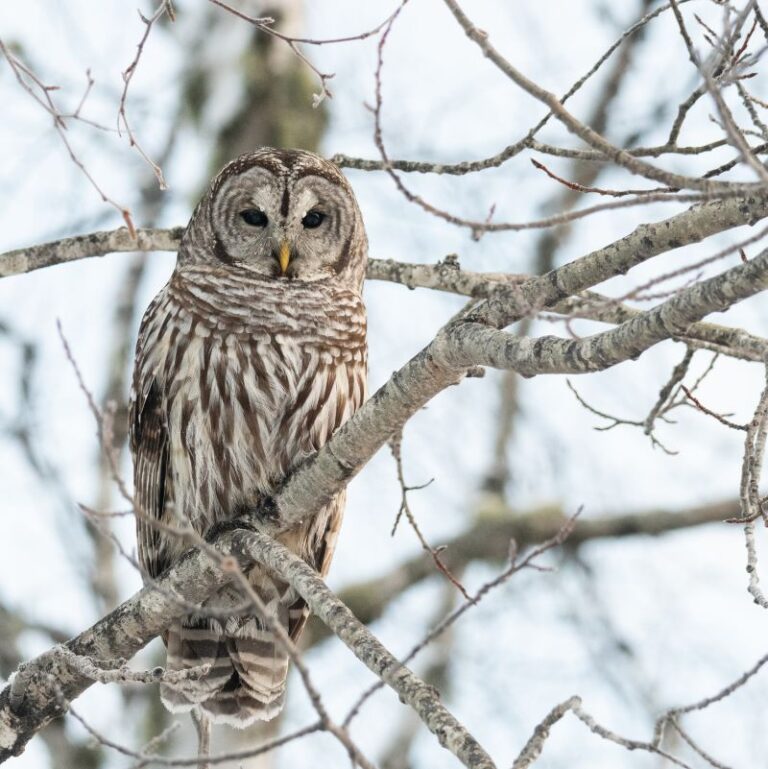
Thursday, March 18, 2021 at 6:00pm with MNHO ecologist, Logan Parker
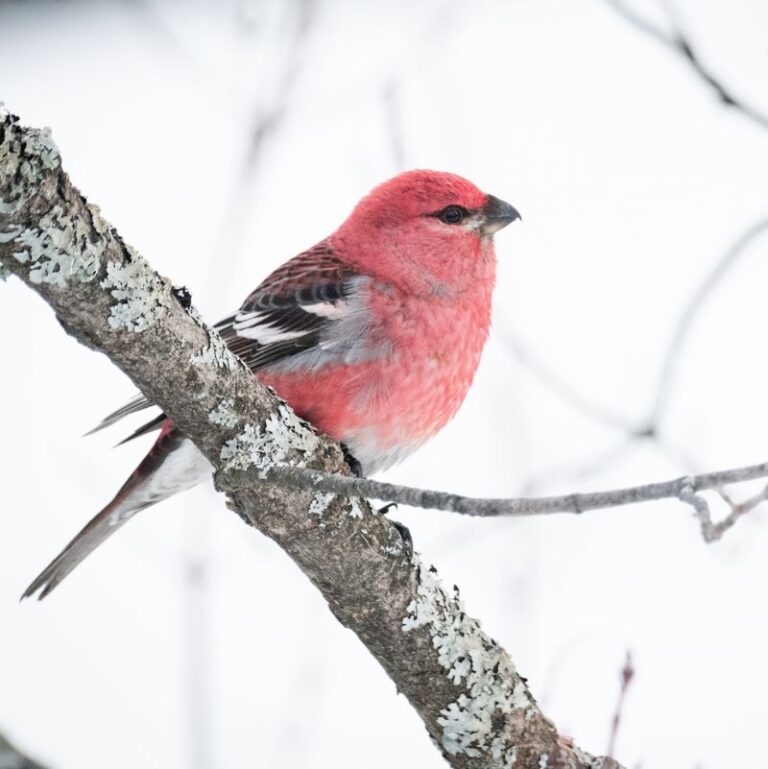
Wednesday, December 9, 2020 - 6:30pm hosted by the Maine Dept. of Inland Fisheries and Wildlife
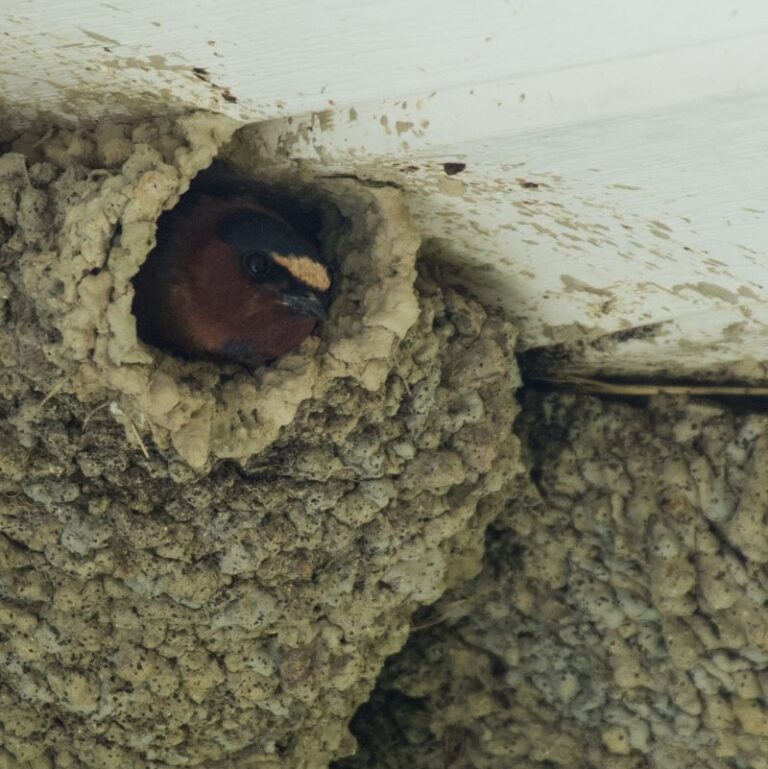
Thursday, October 29, 2020 at 7:00pm with Mara Silver, founder of Swallow Conservation.
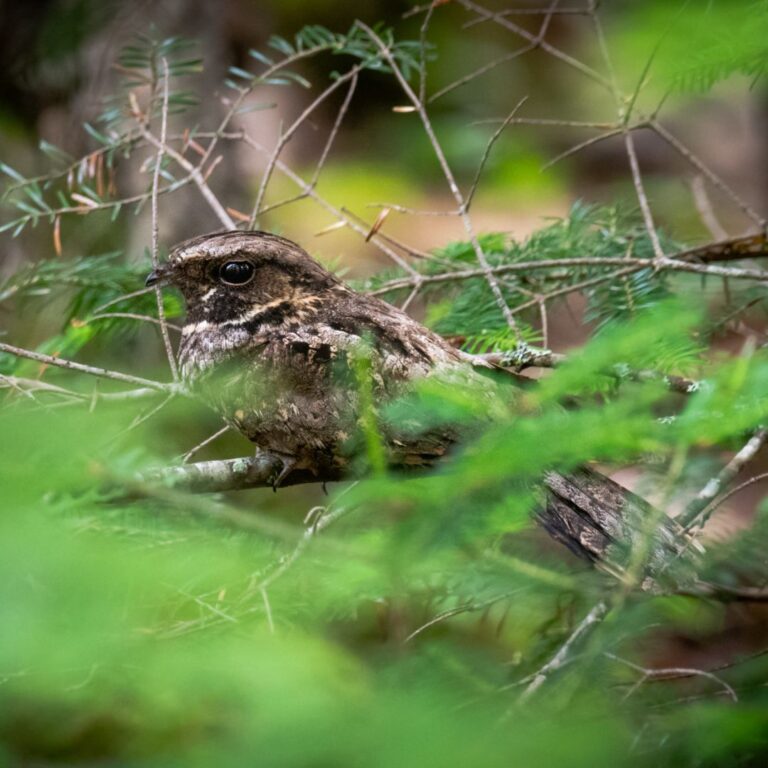
Maine’s Eastern Whip-poor-wills and Common Nighthawks have undergone significant declines in recent years and MNHO is partnering with Maine Department of Inland Fisheries and Wildlife and the Biodiversity Research Institute to try to figure out why and what can be done.
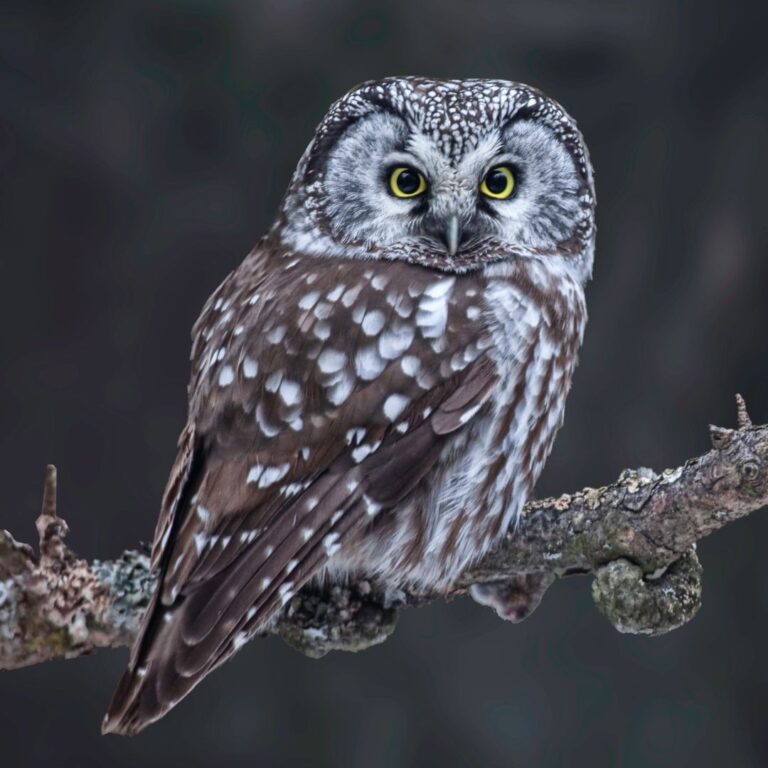
Owls are among the most charismatic and recognizable orders of birds in the world, yet their secretive life histories, elusive nature, and nocturnal habits, with breeding initiated during the winter months, mean they are chronically understudied. Maine is no exception…
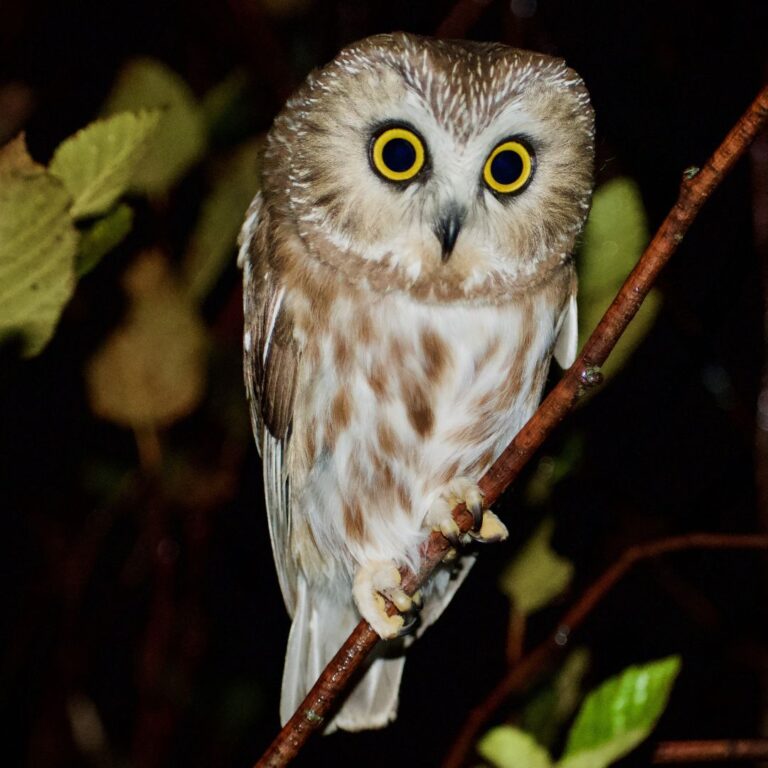
Saw-whet Owl GPS Tag Fundraiser was a Success! We exceeded our spring fundraising goal! Thanks to your generous support, the GPS tags will be deployed this year. Stay tuned! We will share live updates of the owls’ locations on the…
The Maine Bird Atlas is a project of the Maine Department of Inland Fisheries and Wildlife in partnership with Maine Natural History Observatory, Maine Audubon, and Biodiversity Research Institute. The data collection phase of the project was from 2018-2022 with the…
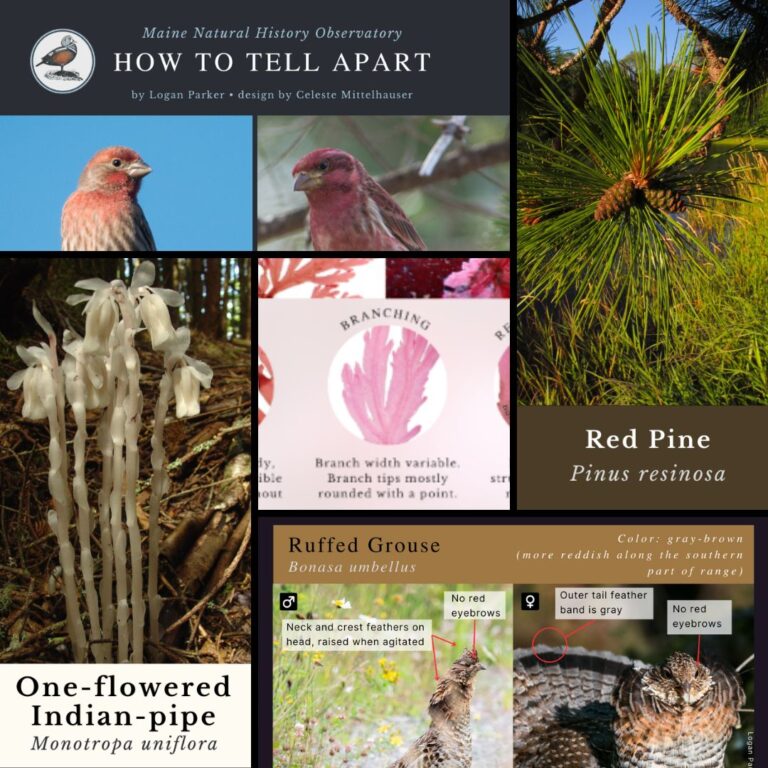
Free mini-guides designed to distill the decades of experience that enables professional naturalists and biologists to recognize each species by observing a few key characteristics.
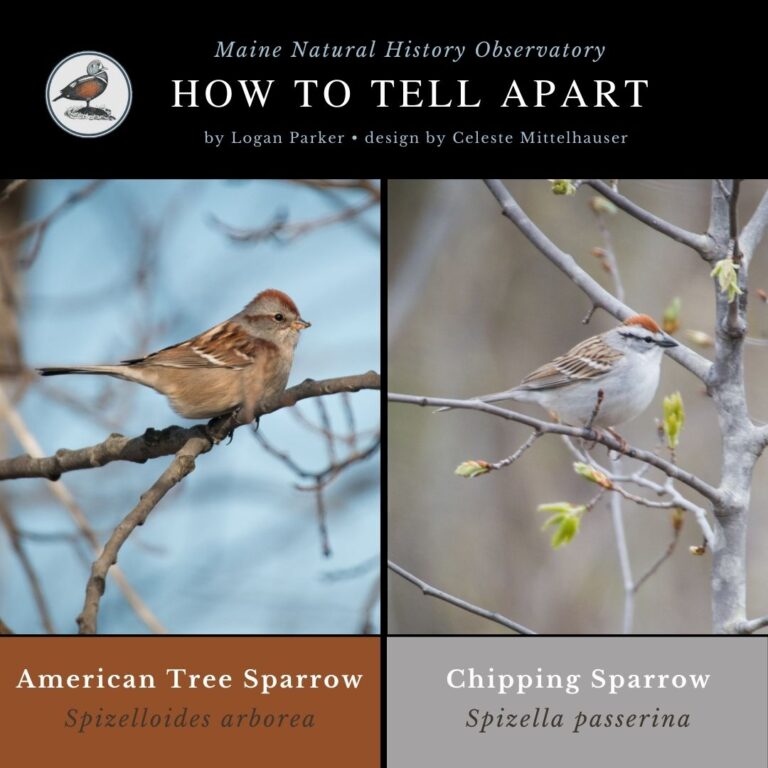
by Logan Parker
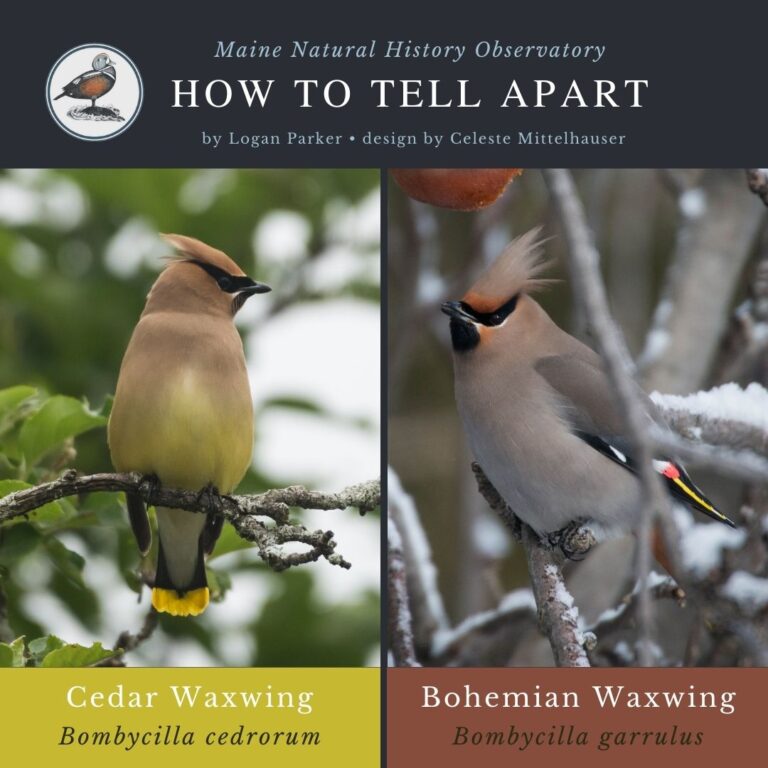
by Logan Parker
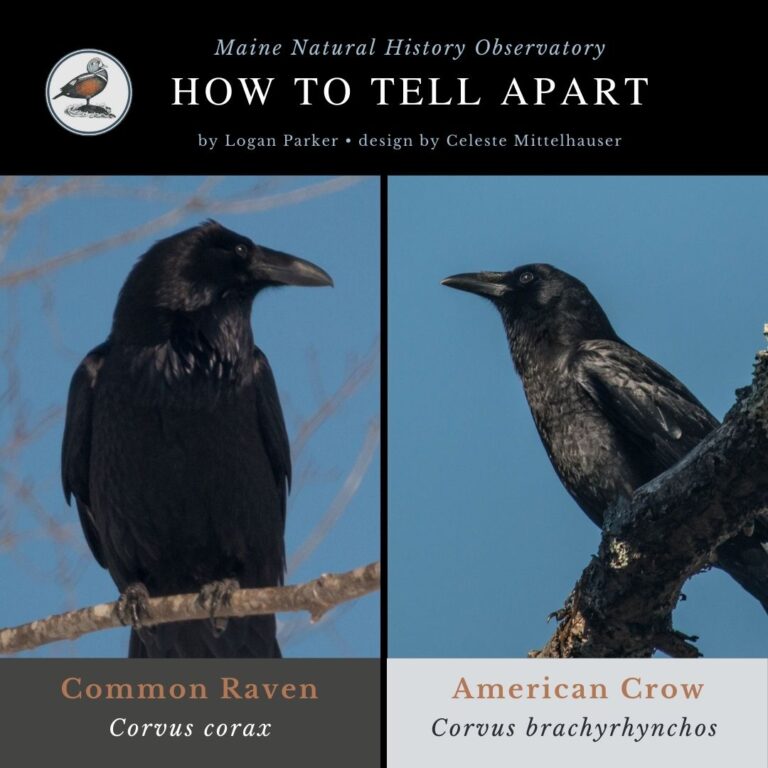
by Logan Parker
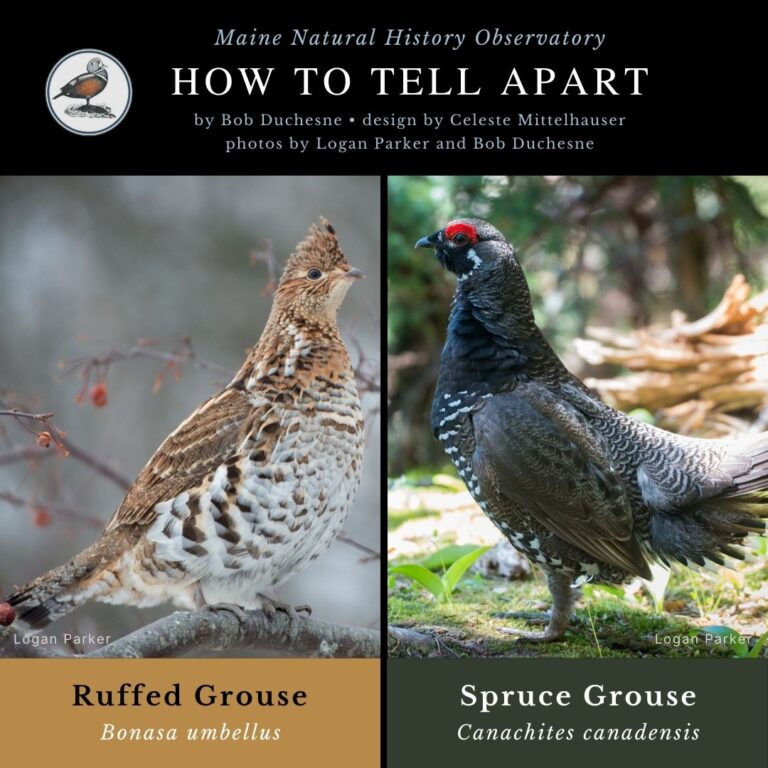
by Bob Duchesne

by Logan Parker

by Logan Parker
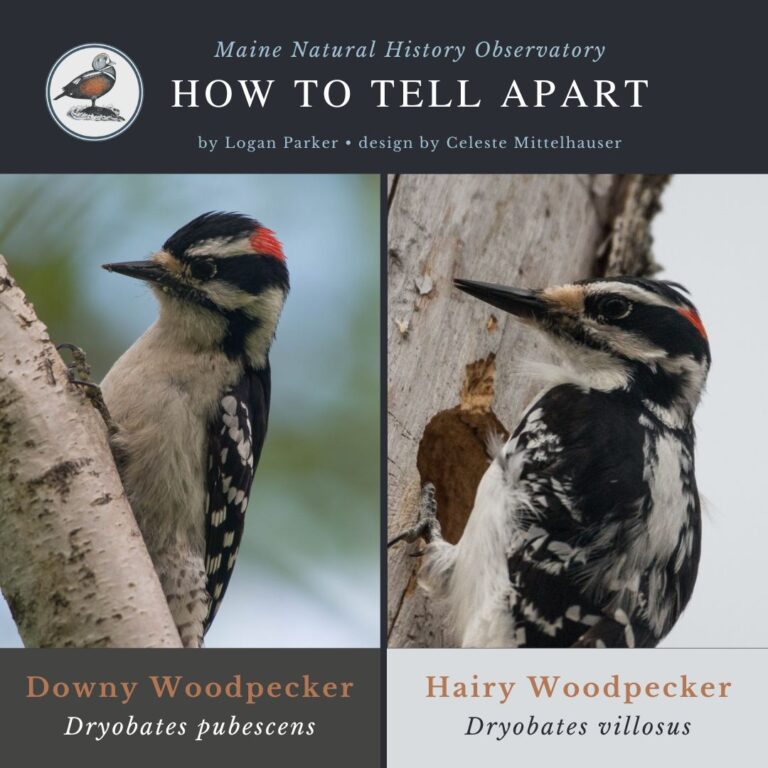
by Logan Parker
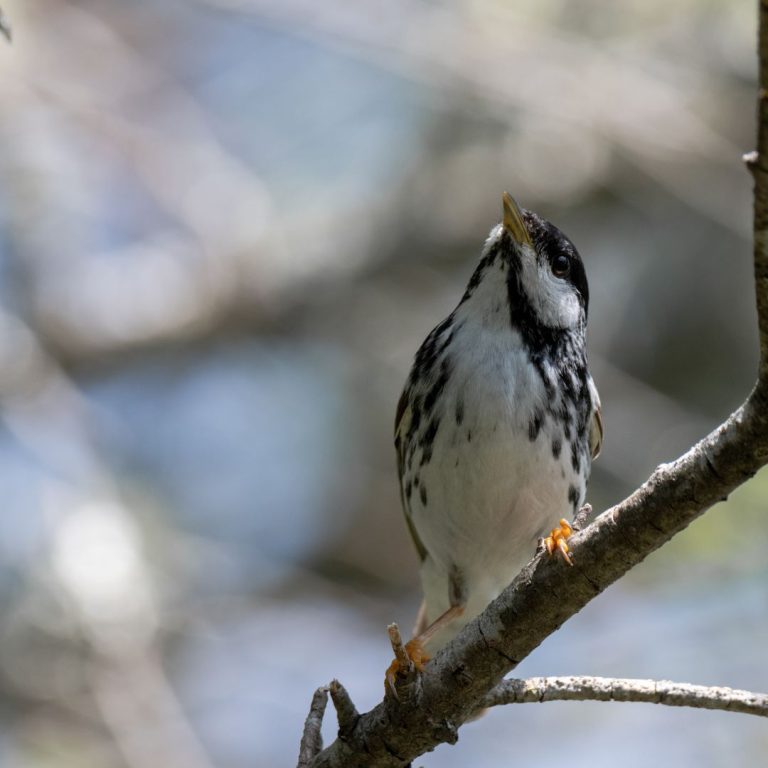
Maine's small islands—particularly those along the Downeast coast—may act as important refuge from climate change for boreal bird species...