Category Audio

21/21/25: A Conversation with Seabird Researchers, 2025

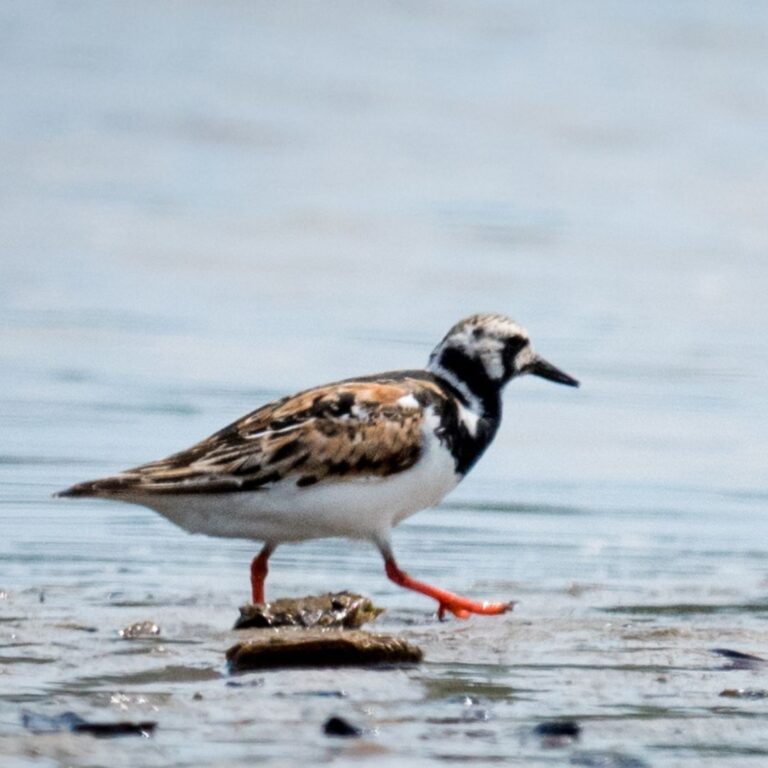
This episode features a discussion with Coco and Tracey Faber, Alison Ballard, and Peyton Caylor, seabird researchers who worked on Maine’s offshore colonies this summer. Together they reflect on the role of these islands beyond nesting seabirds, describing their importance as stopovers for migrating shorebirds and staging areas for gulls. They share observations of sandpipers, plovers, Ruddy Turnstones, and other migrants, and note how islands like Eastern Egg Rock can host large flocks during peak migration.

12/14/25: A Conversation with Peyton Caylor and Colleagues, 2025

This episode begins with an interview with Peyton Caylor about her work on Matinicus Rock, comparing seabird research there with her season on the Farallon Islands. The conversation expands to include Coco and Tracey Faber from Seal Island and Matinicus Rock, and Alison Ballard from Eastern Egg Rock, as they discuss seabird dynamics across colonies, unusual visitors like the Tufted Puffin, and the parallels and contrasts between Atlantic and Pacific seabird systems.

12/7/25: A Conversation with Alison Ballard, 2025

Alison Ballard, who spent the summer supervising Eastern Egg Rock for Project Puffin, reflects on the differences between working on Matinicus Rock and Egg Rock, the unique mix of seabirds found at this nearshore colony, and the challenges of monitoring puffin productivity in such rocky terrain. She also shares insights into the colony’s growth, from new burrows to the dense nesting of puffins in limited space.

11/30/25: A Conversation with Coco and Tracey Faber, 2025, part 4

This episode is part 4 of an interview with Coco and Tracey Faber, who have spent the past decade working in Maine’s offshore seabird colonies. They reflect on broader patterns observed across years of fieldwork, including tern foraging strategies during food shortages, the recurring mid-July drop in forage fish, and the stark differences in survival between early- and late-hatched puffin chicks.

11/23/25: A Conversation with Coco and Tracey Faber, 2025, part 3

This episode is part 3 of an interview with Coco and Tracey Faber, who have spent the past decade working in Maine’s offshore seabird colonies. They discuss the challenges facing Arctic and Common Terns, from poor body condition on return from migration to storms, food shortages, and gull predation. Despite these pressures, they describe moments of resilience when chicks recovered rapidly once conditions improved.

11/16/25: A Conversation with Coco and Tracey Faber, 2025, part 2

This episode is part 2 of an interview with Coco and Tracey Faber, who have spent the past decade working in Maine’s offshore seabird colonies. They discuss the struggles and resilience of seabirds facing storms and changing conditions, share the story of a record-aged puffin still breeding at 36 years old, and reflect on long-term changes in island vegetation and tern colony numbers.

11/9/25: A Conversation with Coco and Tracey Faber, 2025, part 1

This episode is part 1 of an interview with Coco and Tracey Faber who have spent the past decade working in Maine’s offshore seabird colonies. Coco shares her experiences on Seal Island, the state’s largest puffin colony, while Tracey describes her work on nearby Matinicus Rock. Together they reflect on a season of challenges and surprises in the Gulf of Maine, from poor prey availability and storm impacts on terns and Razorbills to unexpectedly strong productivity among puffins.

11/2/25: Two Domes Diverged by A Stream Channel, part 2

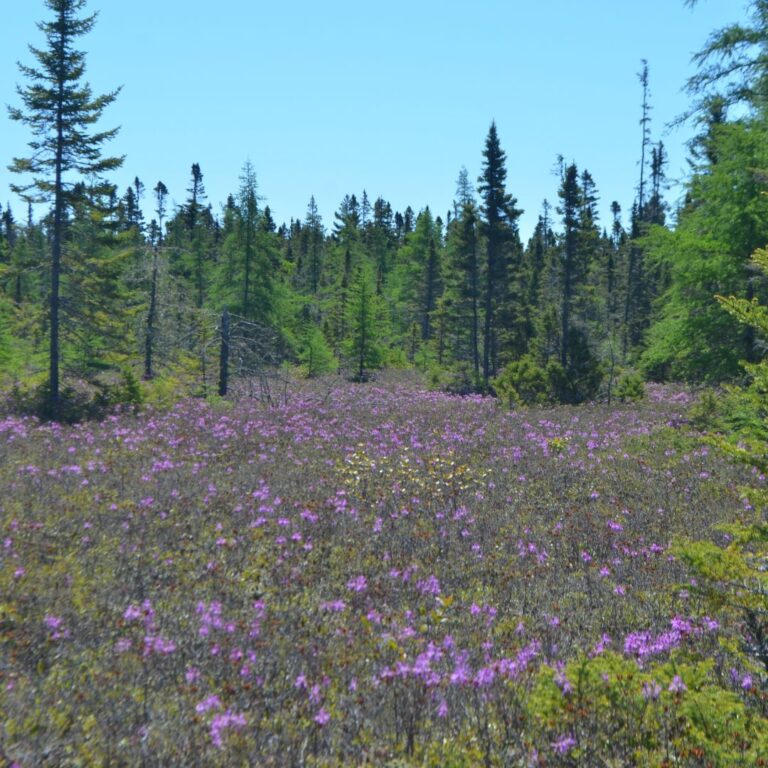
Bog with trees and flowers

This episode continues Laura Hatmaker’s reflections on Balch Head Heath and the dilemmas of conservation management. She considers the uncertainties of bog succession, the challenges of climate change and incomplete historical records, and the importance of long-term monitoring. Laura shares her work establishing protocols for future surveys, ensuring that data will guide conservation decisions for years to come.
10/26/25: Two Domes Diverged by A Stream Channel, part 1

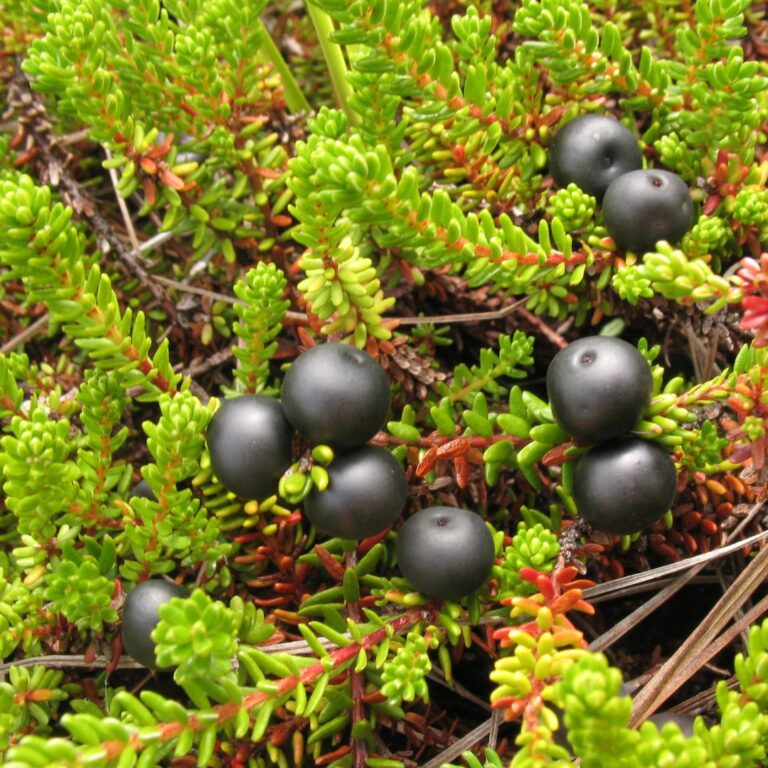
Crowberry plant

This episode features part one of an essay by environmental scientist Laura Hatmaker, exploring Balch Head Heath, a rare Coastal Plateau Bog in Lubec, Maine. Laura describes the contrasting northern and southern domes of the peatland, the habitat of the rare Crowberry Blue butterfly, and the questions conservationists face when deciding whether to intervene in natural processes.

10/19/25: A Discussion with Elliot Johnston

Elliot, an ecologist at Maine Natural History Observatory, discusses his work on purple sandpipers, island songbirds, and upcoming research on mammals and Black Guillemots. He also reflects on his path into field biology, from backyard bird feeders to graduate school at the University of Maine, and shares his perspective on Maine’s islands as unique self-contained ecosystems with rich opportunities for future research.